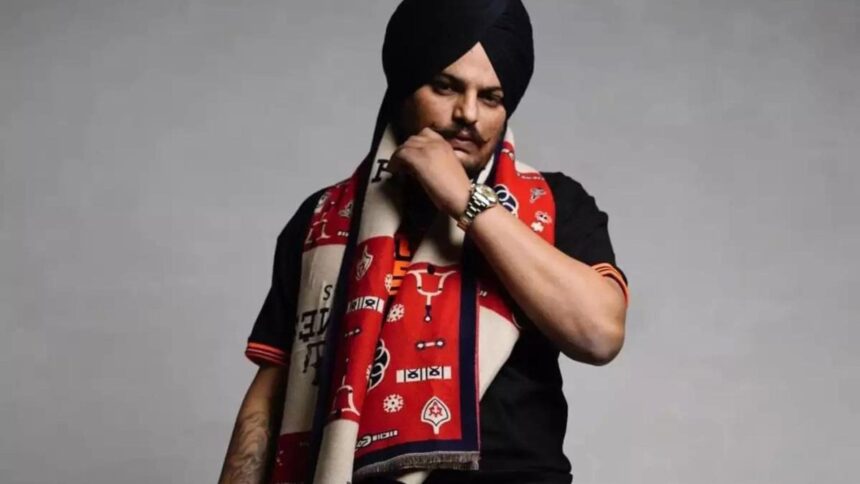
The intersection of music and fashion took a striking turn at London Fashion Week when a track by the late Punjabi singer Sidhu Moosewala played during a high-profile runway show. The inclusion of Moosewala’s music, known for its distinct Punjabi flavor and poignant lyrics, amidst the glamorous backdrop of one of fashion’s premier events, sparked a wave of reactions online, reflecting the global and cultural significance of the moment.
Sidhu Moosewala, a revered figure in Punjabi music and a symbol of contemporary Punjabi culture, had a profound impact on the music scene before his untimely death. His tracks, characterized by their raw energy and lyrical depth, have resonated with audiences far beyond the Punjabi-speaking community. Moosewala’s music often addresses themes of identity, struggle, and resilience, making his songs a powerful backdrop for various contexts.
At London Fashion Week, as models gracefully walked down the ramp showcasing cutting-edge designs, Moosewala’s music created a unique and unexpected atmosphere. The juxtaposition of high fashion and Punjabi music was both intriguing and evocative, offering a new dimension to the fashion experience. This blend of cultural elements caught the attention of fashion enthusiasts, music lovers, and social media users alike, leading to a flurry of reactions across the internet.
Social media platforms were abuzz with commentary, as viewers and fans expressed their thoughts on the unexpected musical choice. Reactions varied from enthusiastic praise to thoughtful critiques, illustrating the diverse ways in which the moment was perceived. Some celebrated the fusion of cultures, viewing it as a refreshing and inclusive nod to global diversity. They appreciated the fashion industry’s willingness to embrace and spotlight music from different backgrounds, seeing it as a positive step toward broader cultural representation.
Others took the opportunity to reflect on Moosewala’s legacy and the impact of his music. For many, hearing his songs in such a prestigious setting was a poignant reminder of his influence and the far-reaching appeal of his artistry. It highlighted the power of music to transcend boundaries and connect with audiences in unexpected places. The inclusion of Moosewala’s tracks in a global fashion arena was seen as a tribute to his contributions and a recognition of his enduring impact.
However, the moment also sparked discussions about the appropriateness of using Moosewala’s music in the context of a fashion show. Some viewers questioned whether the choice of music aligned with the event’s overall theme and atmosphere. They pondered if the integration of such a distinctive musical style might overshadow the fashion itself or create a dissonance between the visual and auditory elements of the show. These conversations underscored the ongoing debate about the role of cultural elements in mainstream events and the balance between artistic expression and audience expectations.
The reaction to Moosewala’s music at London Fashion Week also highlighted the broader trend of cultural crossover in global events. Fashion and entertainment industries are increasingly recognizing and incorporating diverse cultural influences, reflecting a more interconnected and inclusive world. This moment serves as an example of how global events are evolving to embrace a wider range of cultural expressions, offering audiences a richer and more varied experience.
As the internet continues to buzz with reactions, it is clear that the use of Sidhu Moosewala’s music at London Fashion Week has sparked meaningful conversations about culture, representation, and the intersection of different artistic forms. The event has provided a platform for dialogue about the ways in which diverse cultural elements can be integrated into global stages, challenging traditional boundaries and fostering a more inclusive environment.
The playing of Sidhu Moosewala’s song during London Fashion Week has generated a significant and multifaceted reaction online. The moment, marked by its cultural crossover and unexpected pairing of Punjabi music with high fashion, has prompted discussions about the impact of such integrations on global events. It highlights the evolving nature of cultural representation and the ongoing dialogue about how different artistic forms can intersect and enrich one another on the world stage.