After decades of intense diplomatic wrangling, the United Kingdom and Mauritius are reportedly on the verge of finalizing a landmark agreement concerning the sovereignty and future administration of the Chagos Archipelago. Officials from both countries confirm that the deal, which may bring resolution to one of the world’s longest-running colonial disputes, could be announced within weeks.
Chagos Archipelago: A Legacy of Colonialism
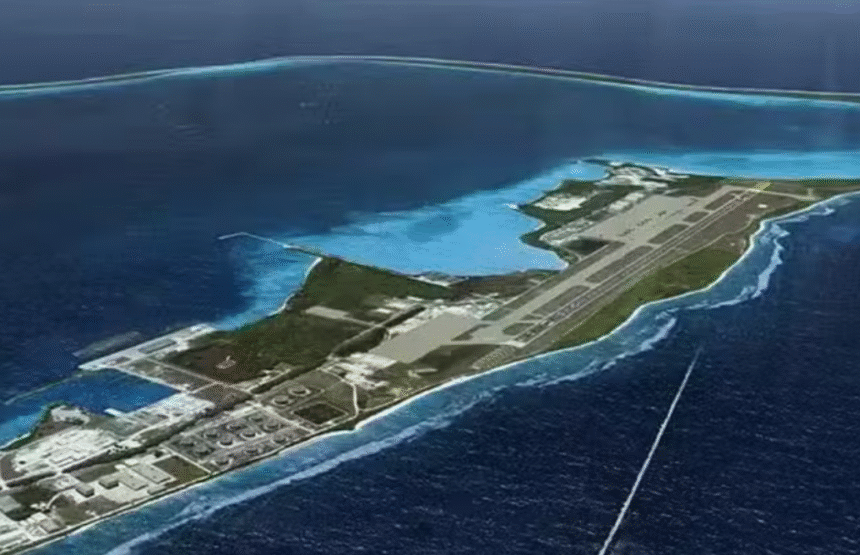
The Chagos Archipelago, a group of over 60 islands in the Indian Ocean, has been under British control since it was detached from Mauritius in 1965—just before Mauritian independence. In the early 1970s, over 1,500 native Chagossians were forcibly removed to allow the development of a US military base on Diego Garcia, the largest island. The forced expulsion and denial of return rights have triggered enduring human rights and legal battles on the world stage.
The sovereignty dispute has seen Mauritius win broad international support. In 2019, the International Court of Justice (ICJ) issued an advisory opinion declaring the UK’s continued administration of the Chagos Islands “unlawful,” a position reinforced by a majority vote at the UN General Assembly urging London to end its control.
Details of the Pending Agreement
While negotiations remain confidential, diplomatic sources indicate that the anticipated agreement could see a gradual transfer of sovereignty over the Chagos Islands to Mauritius, with special provisions to maintain the US military facility on Diego Garcia. Key elements being finalized reportedly include:
- Security Guarantees: The US base at Diego Garcia will likely remain operational under a new framework, addressing UK, US, and Mauritian concerns over regional security and global counter-terrorism.
- Chagossian Rights: Provisions are expected for the possible resettlement or compensation of displaced Chagossian families, who have long campaigned for the right to return.
- Environmental Protections: Cooperative arrangements to safeguard the region’s fragile marine ecosystems, including the Chagos Marine Protected Area, are being discussed.
Speaking anonymously, a senior Mauritian official said, “We are confident that a just and lasting agreement is within reach—an accord that recognizes our sovereignty and also the strategic realities of the modern world.”
UK Foreign Secretary David Cameron’s office declined to comment on the specifics, but confirmed “productive and ongoing discussions,” reiterating the UK’s commitment to a “peaceful, mutually beneficial resolution.”
Controversy and International Perspectives
While the impending agreement is being widely welcomed, some campaigners and Chagossian representatives have voiced concerns over possible delays in resettlement and the terms of access to their ancestral homeland.
“Ours must not simply be a footnote in a diplomatic deal,” said Olivier Bancoult, leader of the Chagos Refugees Group. “Our community deserves justice, the right to return, and respect for our heritage.”
The US, which relies on Diego Garcia as a critical hub for operations in the Indian Ocean and beyond, has largely deferred to the UK and Mauritius on sovereignty but insists on long-term security guarantees.
Legal experts note that the move aligns the UK with growing international pressure to decolonize remaining overseas territories and could enhance Britain’s standing in multilateral forums. Dr. Natalie Richards, an international law scholar at King’s College London, commented, “A peaceful handover, in line with the ICJ opinion, could be a watershed moment in the UK’s post-colonial reckoning.”
Strategic and Environmental Implications
The Chagos Archipelago’s geopolitical importance, especially given rising tensions in the Indo-Pacific, cannot be overstated. The continued presence of the US military base is expected to be non-negotiable, highlighting the area’s enduring strategic value to Western defense interests.
Meanwhile, conservationists have welcomed the prospect of international cooperation. The Chagos Conservation Trust stressed the need for Marine Protected Areas to ensure “one of Earth’s last pristine reef systems” is effectively managed, regardless of sovereignty.
What Happens Next?
Final text on the Chagos agreement is expected to be reviewed by both governments before a formal announcement. If ratified, implementation could begin later this year, with a joint UK-Mauritius commission overseeing the transition.
The Chagossians’ fate—and broader reconciliation between colonial powers and former territories—will likely hinge on the final details of the accord.