


Thanasis Bakolas, the secretary general of the centre-right European People’s Party (EPP), has voiced concerns about the trajectory of the Green Deal, suggesting that it has been overly driven by ideology and advocating for a reevaluation that emphasizes the “competition angle.” His remarks come in the aftermath of the European Parliament elections, where the EPP secured a significant number of seats but faces questions about potential alliances and policy priorities.
Bakolas clarified that the EPP would not pursue a formal deal with Giorgia Meloni and her hard-right European Conservatives and Reformists (ECR) group, nor would they seek to re-elect Ursula von der Leyen as president of the European Commission. Instead, the EPP aims to form a governing majority with allies such as the Socialists, Liberals, and potentially the Greens. However, Bakolas emphasized that cooperation on major legislation would depend on alignment with key principles, including support for the European project, the rule of law, and solidarity with Ukraine.
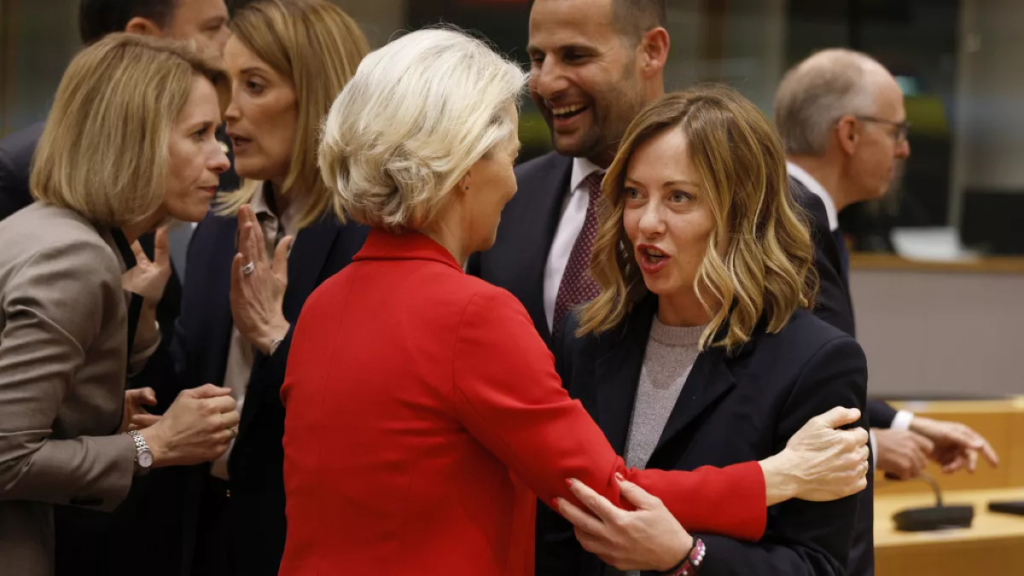
Regarding the possibility of collaboration with Meloni’s MEPs on specific issues, Bakolas acknowledged the potential for alignment but ruled out any formalized deal beyond ad hoc cooperation. He praised Meloni’s constructive approach to European politics and her positive reputation among European leaders, particularly within the European Council.
The prospect of an EPP-ECR alliance had been a subject of speculation throughout the electoral cycle, with von der Leyen initially signaling openness to Meloni’s support. However, as provisional results became official, von der Leyen shifted her focus towards centrist alliances, sidelining Meloni and the ECR.

Bakolas underscored the importance of building a centrist coalition to navigate the complexities of European politics effectively. He acknowledged challenges in securing support for von der Leyen’s ambitious Green Deal, which has faced criticism from some EPP members for its perceived ideological orientation. Bakolas emphasized the need to balance environmental goals with economic competitiveness, suggesting that the Green Deal should incorporate a stronger emphasis on promoting competition.
Despite internal divisions within the EPP regarding environmental policy, Bakolas reaffirmed the party’s commitment to the success of the Green Deal and rejected claims of climate denialism. However, he acknowledged a collective failure in allowing the Green Deal to become overly ideological and stressed the importance of a more balanced approach that prioritizes both environmental sustainability and economic growth.
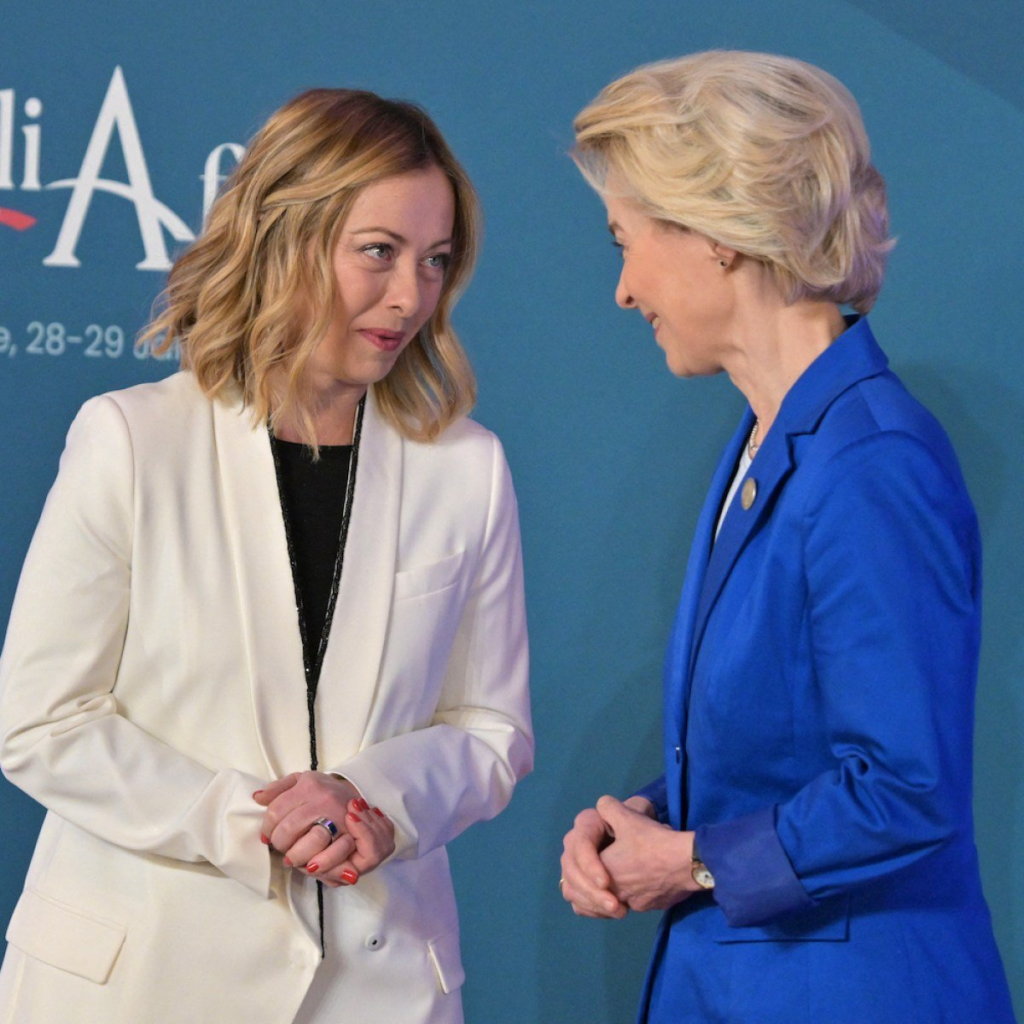
Bakolas’s remarks echo concerns raised by Meloni and her ECR allies, who have criticized the Green Deal for its perceived ideological bias and advocated for policies that prioritize economic interests. The ECR manifesto pledges to challenge the current direction of climate policy, reflecting broader skepticism within conservative circles regarding the implementation of ambitious environmental initiatives.
As the European Parliament prepares to reconvene and debate the future direction of EU policies, the dynamics between different political factions, including the EPP, ECR, and Greens, will shape the trajectory of key initiatives such as the Green Deal. Balancing competing interests and finding common ground will be essential to ensure effective governance and address pressing challenges facing the European Union.

