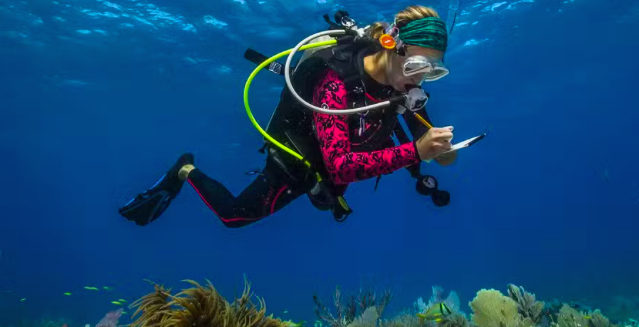
Oceans cover over 70% of the Earth’s surface and regulate the global climate system, absorb carbon emissions, and sustain the livelihoods of billions. Yet, according to UNESCO’s Intergovernmental Oceanographic Commission (IOC), only an estimated 20% of the world’s seafloor has been mapped, and ocean research receives less than 2% of global scientific funding.
“A healthy ocean underpins all life on Earth,” emphasized Audrey Azoulay, Director-General of UNESCO, at a recent high-level UN Ocean Conference. “To meet the challenges ahead—from climate change to sustainable food systems—we must accelerate ocean science and ensure open access to data and innovation.”
Calls for Collaboration and Investment
At the core of the UN initiative is the recognition that no single nation can unravel or manage the complexity of ocean systems alone. The UN joins scientists, policymakers, and Indigenous leaders in calling for cross-border collaboration and sharing of technology and data.
Peter Thomson, the UN Secretary-General’s Special Envoy for the Ocean, stated, “The costs of inaction are simply too great. As the climate crisis accelerates, investing in ocean science is a crucial part of the solution.”
New funding commitments have been announced by countries including France, Japan, and Kenya, with a focus on projects that monitor ocean warming, acidification, deep-sea ecosystems, and pollution, such as plastics and microplastics.
The Role of Ocean Science in Addressing Global Threats
Climate Change Mitigation
Oceans act as a vast carbon sink, absorbing about a quarter of all CO2 emissions generated by humans. However, warming seas and rising acidity threaten this critical function. Oceanographers warn that without expanded monitoring and modelling, policymakers will lack the tools to craft effective mitigation or adaptation strategies.
According to a recent Nature study, investments in ocean monitoring could yield returns of up to $15 for every $1 spent, by preventing climate-related damages and preserving fisheries.
Marine Biodiversity and Food Security
Oceans harbor more than two million known species, yet overfishing and habitat loss have placed many at risk. An estimated 34% of fish stocks are exploited at biologically unsustainable levels, the UN Food and Agriculture Organization reports.
“Detailed ocean science helps us understand where urgent action is needed and guides us in setting sustainable catch limits,” said Dr. Linwood Pendleton, a marine policy expert at the Ocean Data Foundation.
Pollution Tracking and Solutions
Plastic pollution is another crisis that ocean science is expected to tackle. Researchers are developing innovative techniques for tracking microplastics and designing biodegradable alternatives. These efforts are instrumental in shaping policy, industry practices, and global treaties scheduled for negotiation later this year.
Bridging Knowledge Gaps and Ensuring Equity
A key concern remains the technological and financial gap between developed and developing nations. The UN emphasizes that equity and capacity-building are vital so that all regions, including small island developing states and coastal communities, can participate in and benefit from ocean science.
“We must democratize ocean science,” said Dr. Vidar Helgesen, Executive Secretary of the IOC. “Open data sharing and training opportunities will ensure no one is left behind in the race to save our seas.”
The Path Forward During the UN Decade of Ocean Science
As the Decade progresses, the UN is fostering public-private partnerships, supporting early-career scientists, expanding citizen science initiatives, and integrating traditional and Indigenous knowledge into mainstream scientific projects.
Ongoing global summits and intergovernmental negotiations are expected to further catalyze funding and expand the international network of real-time ocean observation systems.