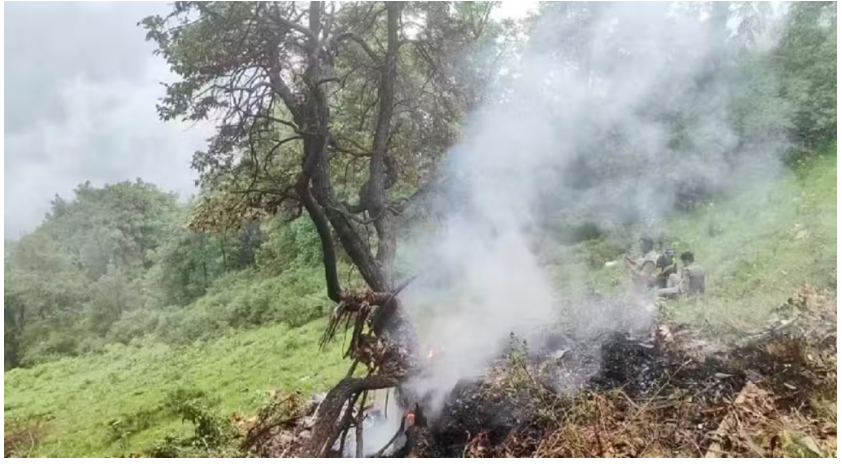
According to preliminary reports from district authorities and official sources, the civilian helicopter went down at approximately 11:15 AM local time in the Guptkashi–Kedarnath sector, a region frequented by thousands of pilgrims during the annual Char Dham Yatra. The incident site is in rugged, mountainous terrain known for unpredictable weather and challenging flying conditions.
A senior official from the Directorate General of Civil Aviation (DGCA) confirmed that an emergency response was initiated minutes after the distress signal was received. “Teams from the State Disaster Response Force (SDRF), local police, and medical personnel have been dispatched to the crash site. The rescue operation is underway,” the official said.
Details regarding the number of passengers, the operator, and the nature of the crash have not yet been affirmed by authorities as search teams attempt to reach the location. Unverified local sources reported that the helicopter belonged to a charter company contracted for the seasonal yatra, but this has not been officially confirmed.
High-Traffic Pilgrimage, High-Risk Aviation
The Kedarnath Air Route
Each year, the Char Dham Yatra attracts hundreds of thousands of devotees to Uttarakhand’s high-altitude shrines, with Kedarnath being among the most remote and difficult to reach. To alleviate the strain on pilgrims and boost accessibility, several private helicopter operators run daily shuttle services between Phata, Guptkashi, Sirsi, and Kedarnath.
Aviation experts note the unique operational hardships in the region: “Mountain flying poses additional challenges due to rapidly changing weather patterns, thin air at higher altitudes, and tricky landing approaches,” said Captain Rajiv Anand, a senior aviation analyst. “Safety regulations here must be extra stringent.”
Previous Incidents and Safety Concerns
The Kedarnath sector has seen accidents in the past, though improved navigation aids and stricter protocols have significantly reduced casualties in recent years. In 2013, a catastrophic chopper crash during flood relief operations led to multiple fatalities, underscoring the persistent risks in Himalayan aviation.
Data from India’s Civil Aviation Ministry indicate an increase in demand for helicopter services in Uttarakhand, especially during peak pilgrimage season. However, some industry observers have raised alarms about over-scheduling and the need for thorough safety audits of both aircraft and pilots.
Reactions from Officials and Public
State Government Response
Chief Minister Pushkar Singh Dhami expressed “deep concern” over the incident, assuring maximum support for rescue efforts and announcing that a high-level inquiry will be conducted. “We are monitoring the situation closely and have issued directives to prioritize the safety of all pilgrims and crews operating on this route,” said Dhami in a statement shared with local media.
Aviation Regulator Steps In
A spokesperson for the DGCA stated: “A team of investigators has been rushed to the crash site. Until a preliminary assessment is completed, all helicopter operations in the immediate sector are being reviewed. We are committed to a transparent and thorough inquiry.”
Voices from the Ground
Local residents and yatris expressed anxiety about the incident. “The helicopter services are life-savers for many elderly and physically challenged devotees,” said Sunil Joshi, owner of a guest house in Gaurikund. “But incidents like this remind us of the risks involved.” Several social media platforms saw an outpouring of concern, with users urging authorities to strengthen weather monitoring and routine aircraft maintenance.
What Happens Next: Investigation, Pilgrim Welfare, and Safety Protocols
With the search and rescue mission underway, authorities have pledged round-the-clock updates to families and the public. Aviation experts emphasize the importance of examining factors such as pilot experience, recent weather reports, maintenance logs, and possible technical faults.
The incident is likely to prompt renewed scrutiny of flight scheduling, crew rest periods, emergency preparedness, and passenger education in the Himalayas. Central and state authorities may review infrastructure and consider investments in additional helipads, digital weather stations, and real-time air traffic tracking.
“As the Kedarnath Yatra continues, balancing accessibility with stringent safety standards will remain a priority,” said Uttarakhand Tourism Board President Neha Rathi.