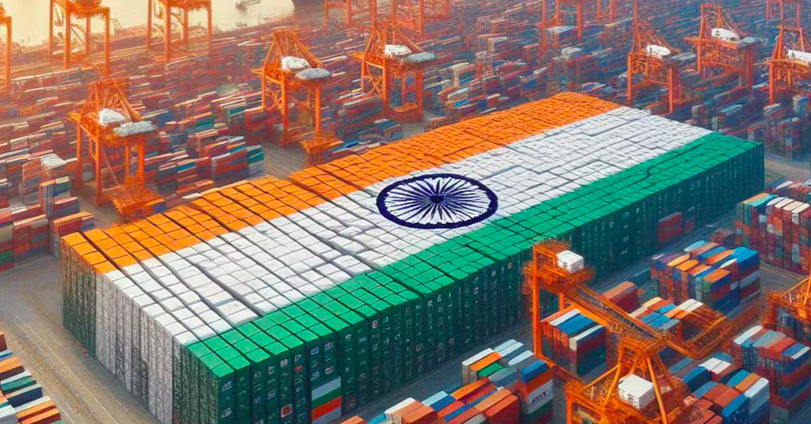
The last several years have seen Chinese companies invest heavily in India’s manufacturing sector, most notably in electronics, consumer durables, and auto components. As global supply chains adapt to shifting geopolitical realities and trade tensions—especially those between the U.S. and China—these companies have turned to India as a strategic hub for both production and export.
According to a report from the Confederation of Indian Industry (CII), exports of ‘Made in India’ products through Chinese company supply networks grew by more than 25% in the fiscal year 2023-24. Many of these exports are destined for markets in Africa, Southeast Asia, and, increasingly, Europe and North America.
“India’s production capabilities, cost competitiveness, and market access make it an attractive base for international companies,” said Rajesh Sharma, senior economist at CII. “Chinese firms are not just investing for the Indian market—they are using India as an export springboard.”
Why Chinese Companies are Exporting From India
Navigating Global Trade Barriers
With increasing tariffs on imports from China in the U.S., Europe, and other regions, many Chinese companies have sought ways to circumvent these obstacles. One effective strategy has been to manufacture goods in India, allowing them to label products as ‘Made in India’ and benefit from India’s favorable trade agreements.
Leveraging India’s Production Ecosystem
Sectors such as smartphones, electronics, and textiles have witnessed the strongest growth in China-India collaborations. Companies like Xiaomi, Haier, and Lenovo have expanded their Indian factories and ramped up exports.
“The global electronics industry is evolving, and India offers a robust ecosystem,” said Lu Jun, spokesperson for Xiaomi India. “Our Indian operations are critical both for local sales and for exports to markets like Africa and the Middle East.”
Impact on Indian Manufacturing and Jobs
Chinese investment flows have created thousands of direct jobs and benefited Indian suppliers and logistics networks. Government initiatives such as “Make in India” and the Production-Linked Incentive (PLI) scheme have boosted the appeal for foreign investors—not just to serve the Indian consumer, but to tap into global demand.
“We have seen a significant uptick in orders from Chinese-linked joint ventures,” said Priya Deshmukh, CEO of a component supplier in Pune. “This has transformed our production targets and workforce requirements, with much of the output now destined for Europe and Africa.”
Policy Concerns and Safeguards
Geopolitical and Economic Implications
Indian officials have expressed caution, emphasizing the need for thorough vetting of foreign direct investments (FDI) in sensitive sectors. While the influx of capital has spurred economic activity, concerns linger over technology transfer, data security, and domestic competitiveness.
“It’s crucial that India continues to benefit from these partnerships, rather than becoming a backdoor export hub for Chinese interests,” said Dr. Gopal Krishnan, a trade policy advisor at NITI Aayog.
Calls for Stronger Local Participation
There is ongoing debate about ensuring that local manufacturers, rather than wholly-owned foreign ventures, drive value addition and skill development.
Global Reception and Future Prospects
Multinational retailers and importers—especially those in Europe and the Middle East—have welcomed the greater availability of competitively-priced, India-origin products. Market analysts expect the trend to grow, particularly if India continues to improve logistics, infrastructure, and regulatory ease of doing business.
“India is set to become a major global exports hub, supported by both domestic and international players,” predicts Deepa Sood, head of international trade at PwC India. “If managed well, it could transform both India’s export profile and China’s overseas business strategies.”