


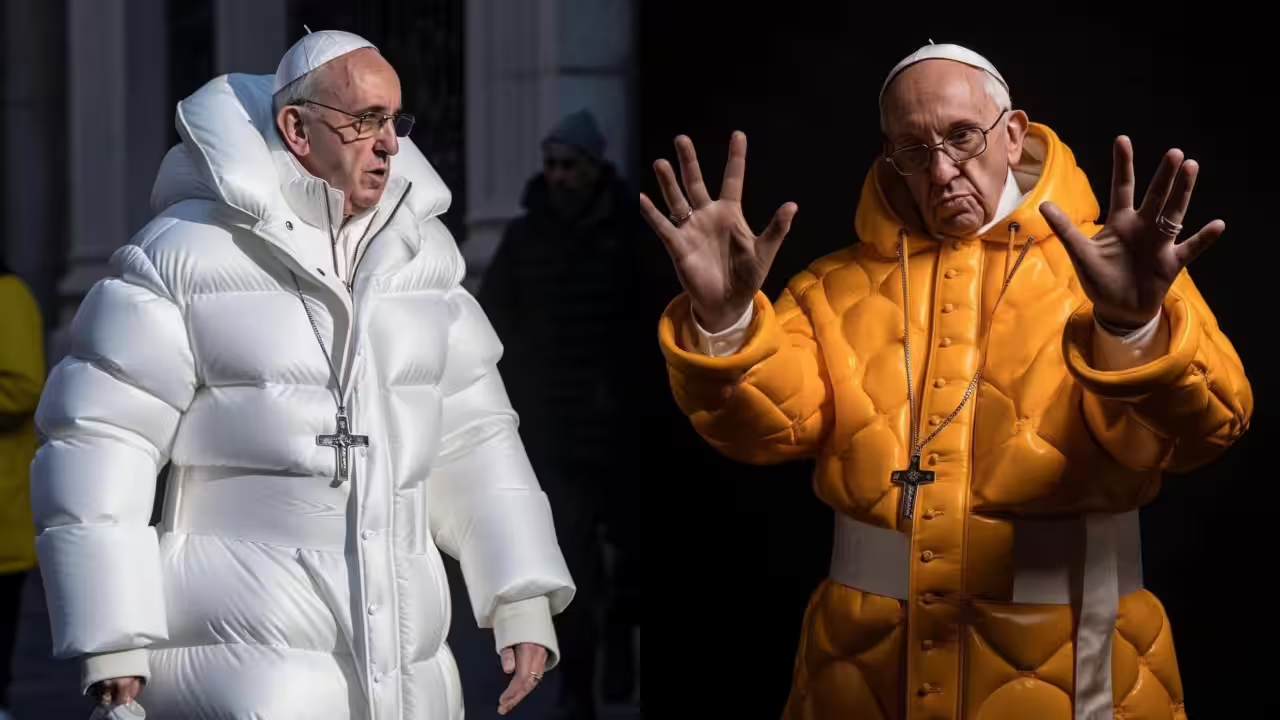
Pope Francis is set to attend the G7 summit in Italy, a historic move that highlights his deep concern over the ethical implications of artificial intelligence (AI). This will mark the first time a pope participates directly in the summit of global leaders, underscoring the Vatican’s proactive stance on shaping the ethical framework for AI technologies.
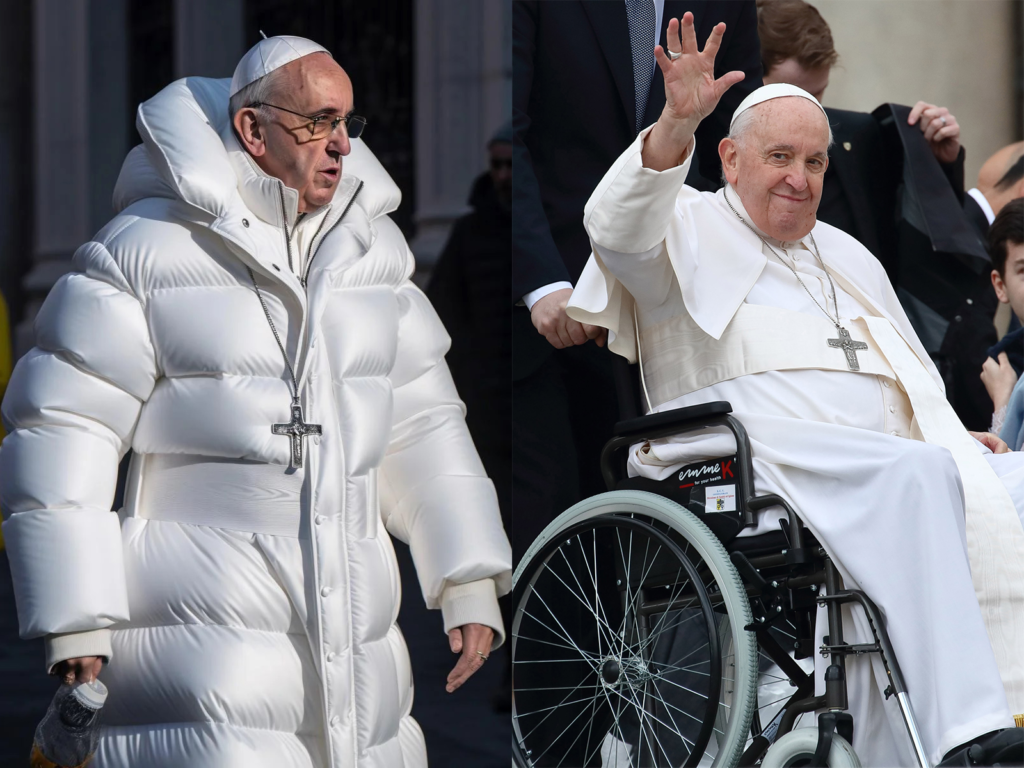
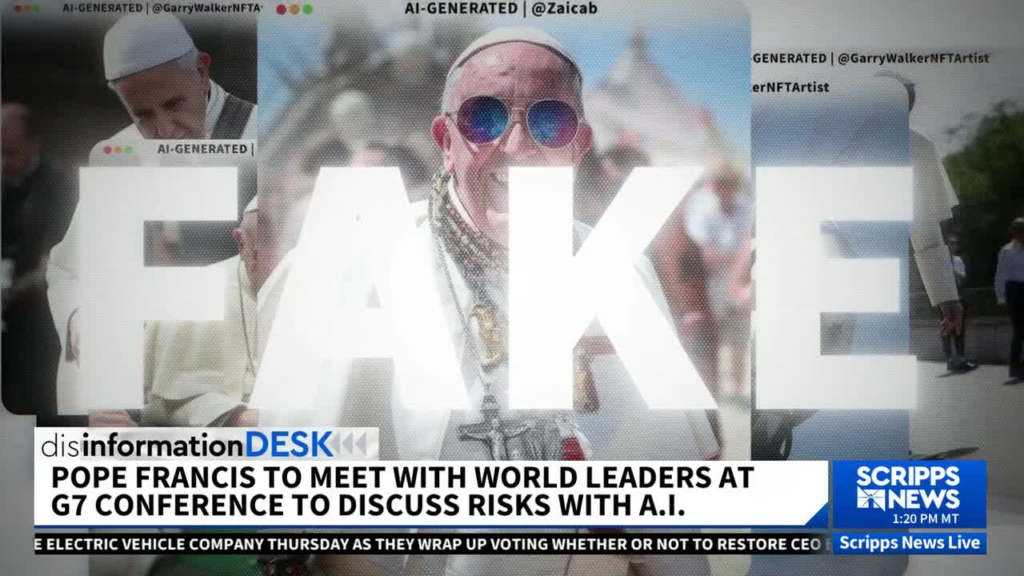
The Vatican’s announcement comes in the context of Pope Francis’ previous encounters with AI-generated deepfake images that went viral. These images, depicting the Pope in unconventional attire, sparked widespread debate and concern about the potential misuse of AI to create deceptive content. Addressing this issue in Vatican City earlier this year, Pope Francis warned against the rise of realistic yet false images, drawing attention to the ethical challenges posed by AI’s ability to manipulate reality.
Central to the Pope’s advocacy is the “Rome Call for AI Ethics,” a set of principles introduced by the Vatican in 2020. These principles emphasize transparency, inclusion, impartiality, responsibility, reliability, and security in the development and deployment of AI technologies. The Vatican’s initiative aims to ensure that AI serves humanity’s best interests while upholding fundamental values and minimizing risks.
At the upcoming G7 summit, Italy, as the host country, is expected to champion the development of homegrown AI capabilities in African nations. Discussions will also focus on advancing the “Hiroshima Process,” a G7 initiative aimed at preventing the misuse of generative AI technologies for harmful purposes. Countries like the United States and the United Kingdom will showcase their own AI regulatory frameworks, highlighting efforts to balance innovation with ethical considerations.
Italian Prime Minister Giorgia Meloni has emphasized the Pope’s role in contributing to a comprehensive regulatory, ethical, and cultural framework for AI. Pope Francis is scheduled to engage in bilateral discussions with leaders such as U.S. President Joe Biden, Kenyan President Samoei Ruto, and Indian Prime Minister Narendra Modi, highlighting the global significance of AI governance in international diplomacy.
In his addresses leading up to the G7 summit, Pope Francis has articulated a nuanced perspective on AI, acknowledging its potential to enhance human welfare while cautioning against its potential misuse. He has called for a global dialogue to explore the ethical implications of AI technologies, recognizing their transformative impact on societies worldwide.
The Pope’s advocacy for an international treaty on AI regulation, reiterated during his World Day of Peace messages, underscores his commitment to ensuring that AI development aligns with human values and promotes the common good. His calls for binding international agreements aim to establish clear guidelines for responsible AI research, development, and deployment.
As world leaders gather for the G7 summit, the spotlight will be on how they respond to Pope Francis’ call for ethical AI governance. The summit presents a pivotal opportunity to foster international cooperation on AI regulations, setting precedents that could shape global norms and standards for AI technologies.
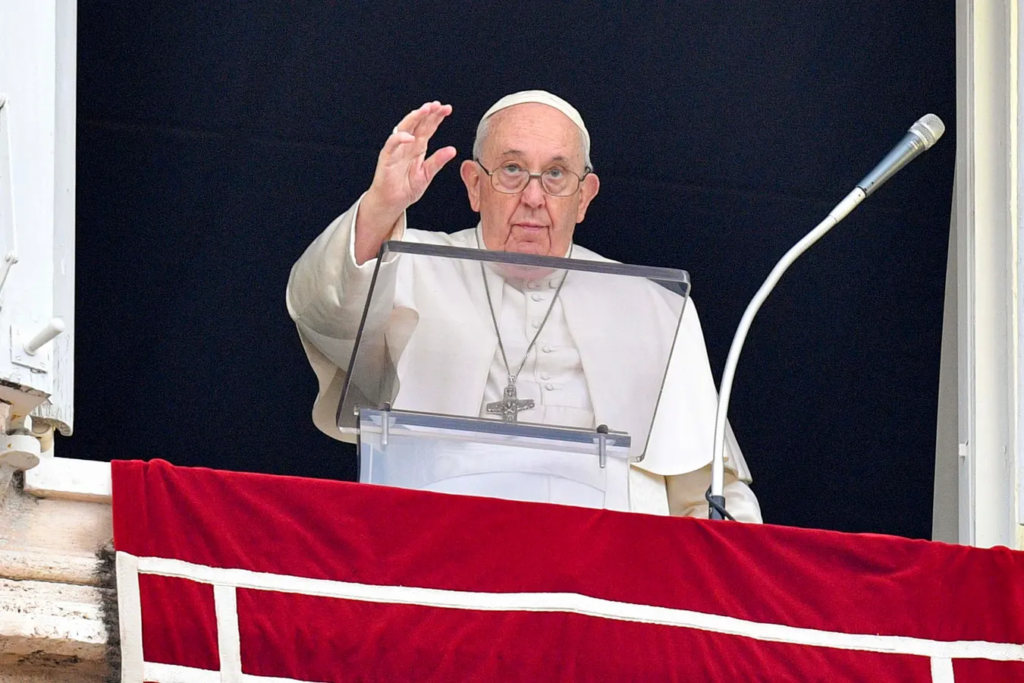
Pope Francis’ participation in the G7 summit signifies the Vatican’s proactive stance on addressing the ethical challenges posed by AI. By urging global leaders to prioritize human dignity and well-being in their AI policies, the Pope seeks to ensure that technological advancements serve the common good and uphold ethical principles.
Pope Francis’ presence at the G7 summit underscores the Vatican’s commitment to shaping a responsible and ethical approach to AI governance. His engagement with world leaders highlights the urgency of addressing the ethical implications of AI technologies and advancing global cooperation on AI regulations.


