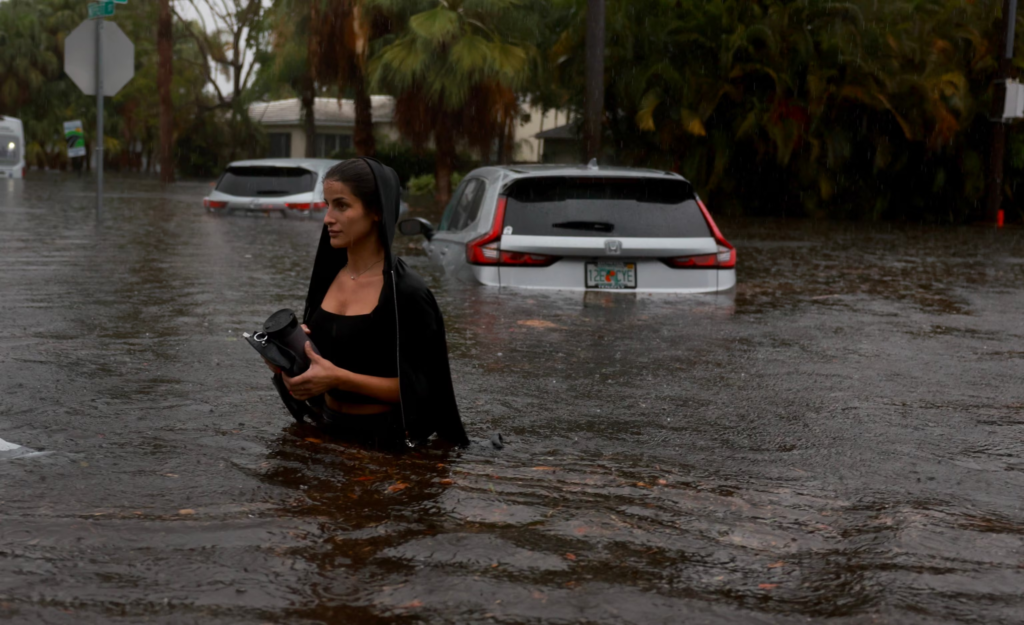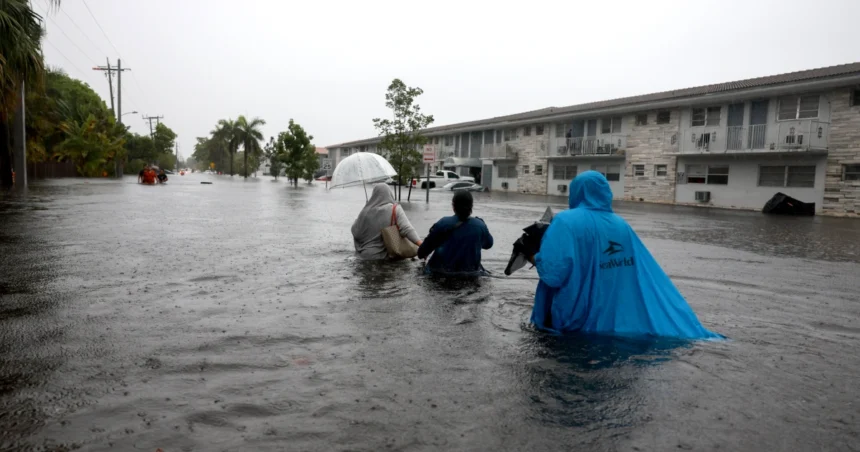
Parts of Florida recently experienced a severe weather event, leading to a state of emergency due to unprecedented rainfall and subsequent flooding. Miami, Fort Lauderdale, and Naples were particularly affected, with up to 2 feet of rain inundating some areas. This deluge submerged cars, flooded homes, and caused widespread disruption, including the cancellation and delay of hundreds of flights at major South Florida airports.
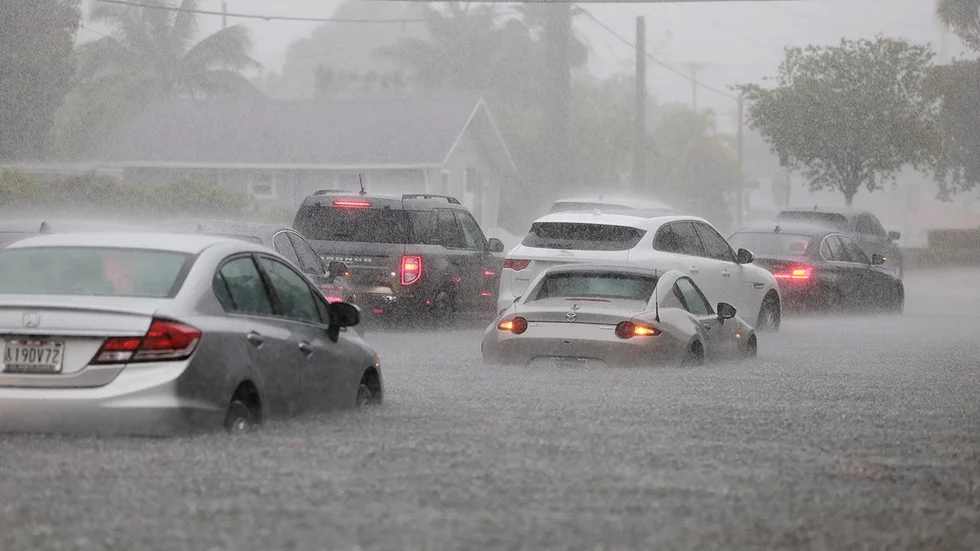
The meteorological conditions responsible for this extreme weather pattern were explained by weather.com senior meteorologist Jonathan Erdman. A high-pressure system to the east of Florida and a lower-pressure system to the west created a corridor that pulled in a substantial amount of moisture from Central America and the Caribbean Sea into the state. This atmospheric setup resulted in prolonged and intense rainfall over the affected regions.
Miami-Dade County, in particular, bore the brunt of the flooding, with dramatic scenes unfolding across the area. Aerial photos and videos captured the extent of the flooding, showing streets submerged under water, vehicles stranded or abandoned, and residents wading through flooded areas that sometimes reached thigh-high levels. The situation was likened to scenes from a disaster movie, with tow truck drivers like Ted Rico describing the streets as resembling the beginning of a zombie apocalypse, strewn with cars in disarray.
The impact on daily life was severe, with Miami Mayor Daniella Levine Cava urging residents to prioritize safety by staying indoors, avoiding flooded areas, and exercising caution. Emergency services, including 911 call centers, were overwhelmed by the volume of calls, many of which were non-emergency in nature, further complicating response efforts.
Local authorities across affected counties declared states of emergency, with Governor Ron DeSantis extending this declaration to Miami-Dade, Broward, Lee, Collier, and Sarasota counties, encompassing millions of residents. The educational sector was also significantly affected, as Broward County closed all school facilities, including summer programs, for the day. Universities such as Florida Atlantic University and Florida A&M University adjusted their operations, either closing campuses or transitioning to remote learning due to the hazardous conditions.
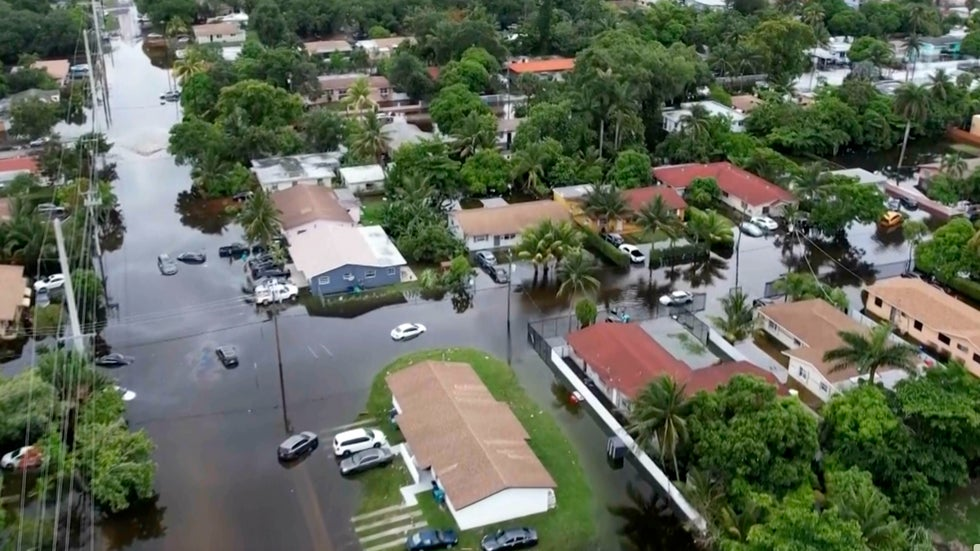
In addition to the immediate impacts on infrastructure and public services, the flooding highlighted broader concerns about urban resilience and climate change adaptation in Florida. With extreme weather events becoming more frequent and severe, questions arise about the adequacy of current infrastructure and emergency response protocols in mitigating future risks.
As Florida continues to recover from this recent bout of extreme weather, attention turns to assessing damages, supporting affected communities, and implementing measures to enhance resilience against future flooding events. The episode serves as a stark reminder of the vulnerability of coastal cities to climate-related hazards and underscores the importance of proactive planning and investment in infrastructure to safeguard lives and livelihoods in the face of increasingly unpredictable weather patterns.