


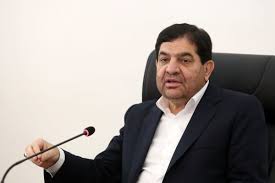
Following the untimely death of Iranian President Ebrahim Raisi in a helicopter crash, a succession plan has been put in place, with Mohammad Mokhber, 68, slated to become acting president. As Mokhber gets ready to take on this crucial responsibility, his past and political connections are being closely examined as the nation struggles with the loss of its leader.
Mokhber, who was born on September 1, 1955, is the interim president of Iran according to the country’s constitution. According to the constitution, within 50 days of the outgoing president’s passing, a three-person council made up of the speaker of parliament, the head of the judiciary, and the first vice president is supposed to arrange a new presidential election.
It is commonly known that Mokhber has a tight relationship with Supreme Leader Ali Khamenei, who has significant influence over Iranian politics. Similar to his predecessor Raisi, Mokhber is thought to share Khamenei’s ideologies, which strengthens his standing within the elite that rules Iran.
Mokhber brings a variety of government experience to his upcoming interim presidency. He was appointed first vice president in 2021 following Raisi’s victory to the presidency. Mokhber led Setad, an investment fund with close ties to the supreme commander, before being appointed vice president.
Mokhber’s global activity has garnered notice as well, especially his participation in a recent visit to Moscow when agreements were made to provide Russia with military hardware. These interactions highlight Mokhber’s assistance in fostering diplomatic contacts as well as Iran’s strategic partnerships.
Mokhber hasn’t been without controversy, though. He was previously named on a European Union listing of people and organizations suspected of involvement in nuclear or ballistic missile activity, in addition to facing penalties from other international organizations. Mokhber’s rise in politics, in spite of these obstacles, is a testament to his fortitude and authority inside Iran’s political system.
The group that Mokhber used to head, Setad, has also come under fire. Ayatollah Ruhollah Khomeini gave Setad the authority to be established and manage properties left vacant following the Islamic Revolution of 1979, with the money raised going toward philanthropic causes.

Mokhber’s past, political affiliations, and outlook for Iran’s future are sure to come under increased scrutiny from both domestic and international quarters as he gets ready to take over as interim president. Iran’s political landscape is at a crossroads now that Raisi’s unexpected death has occurred, and Mokhber is well-positioned to lead the nation through this difficult and transitional phase.


