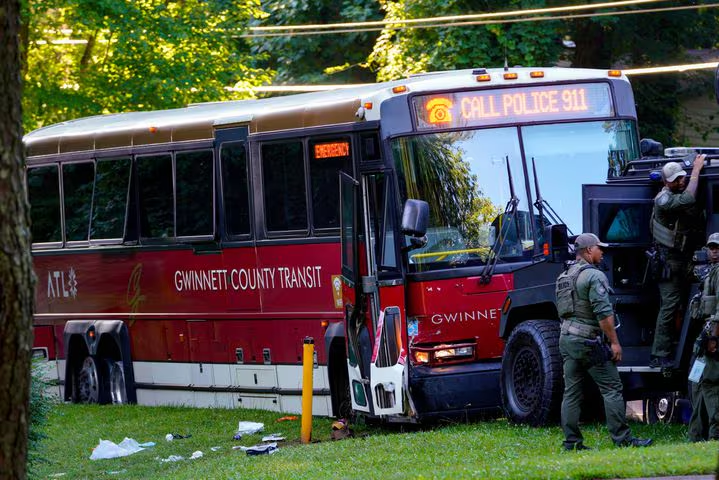
Atlanta police had barely finished briefing the community about a chaotic shooting inside a downtown food court Tuesday afternoon when calls began to come in about a separate catastrophe – this one fatal – that was beginning to unfold. Just a half mile away, a gunman had hijacked a commuter bus with 17 people inside, prompting passengers to frantically text loved ones and call 911 for help, police said. The tension in the air was palpable as Atlanta Police Chief Darin Schierbaum recounted the events that led to the harrowing chase.
But as police arrived on the scene and tried to confront the gunman, identified as 39-year-old felon Joseph Grier, the suspect held the bus driver at gunpoint and forced him to speed away. The resulting chaos was both a logistical nightmare for the authorities and a terrifying ordeal for the passengers. The ensuing rush-hour police chase zig-zagged across highway lanes and suburban streets, as the bus led authorities across at least two counties. At times, the bus careened into other cars and crossed into opposing traffic, adding to the mayhem. The chaos during the chase was unprecedented, reflecting the unpredictability and danger of such situations.


Inside the bus, a passenger surreptitiously stayed on the line with 911, allowing authorities to hear the commotion. This courageous act provided the police with real-time information about the situation on the bus. Mayor Andre Dickens described the chaos as something out of a movie scene, with the suspect holding a gun to the bus driver’s head and threatening, “Don’t stop this bus or else worse will happen.” The gravity of the situation was amplified by the gunman’s menacing threats and the perilous circumstances faced by the hostages.
The adrenaline-fueled chase showcased the resilience and quick thinking of the passengers, who had to navigate their own fears while hoping for a resolution. The decision of one passenger to keep the line open with 911 was pivotal, allowing authorities to strategize their response based on the unfolding events inside the bus. This passenger’s bravery in the face of danger played a crucial role in the eventual resolution of the crisis.


When the bus finally ground to a halt on a tree-lined street in the suburb of Stone Mountain, passengers streamed out, grateful for their lives. Police quickly arrested Grier without further incident, bringing an end to the terrifying ordeal. The resolution of the incident was a testament to the coordinated efforts of the law enforcement agencies involved, as well as the bravery of the passengers who remained calm under pressure. The collective relief was palpable as the immediate danger was neutralized.
The hijacking incident added to an already tense day for Atlanta’s police force, who were still reeling from the earlier chaotic shooting in a downtown food court. The back-to-back crises tested the limits of the city’s emergency response systems and highlighted the unpredictable nature of such emergencies. The police force’s ability to manage these simultaneous threats was commendable, though it underscored the constant state of readiness required for law enforcement.
Chief Schierbaum noted the importance of training and preparedness in handling such high-stakes situations. He praised the officers for their quick response and the passengers for their bravery, emphasizing that the outcome could have been much worse without their collective efforts. The successful resolution of the bus hijacking also underscored the critical role that community cooperation plays in emergency situations. The importance of communication, both within the law enforcement agencies and between the police and the community, was evident in the handling of this crisis.
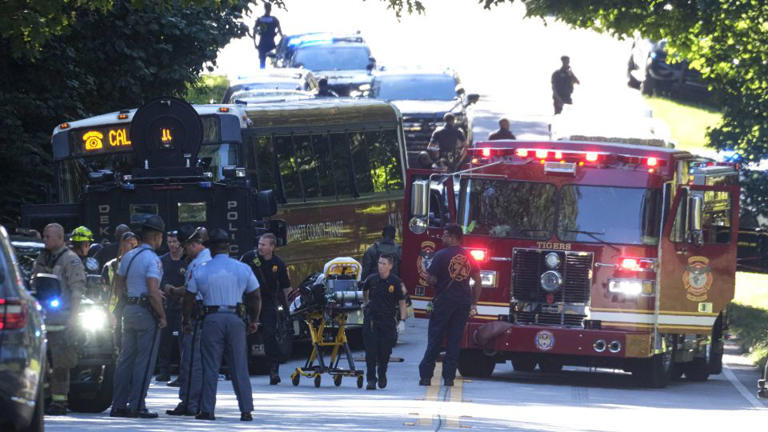
Mayor Dickens echoed these sentiments, expressing his relief that the situation had been resolved without loss of life. He acknowledged the trauma experienced by the passengers and assured them that the city would provide the necessary support and counseling services. The mayor’s commitment to supporting the affected individuals highlighted the human impact of such violent events and the need for comprehensive post-crisis care.