The U.S. Environmental Protection Agency (EPA) is urgently calling on the U.S. Air Force and Arizona National Guard to address rising levels of toxic “forever chemicals” found in the groundwater in Tucson, Arizona. The contamination, which has a long history in this area, is linked to nearby military properties. The EPA’s recent findings show an increase in concentrations of these harmful substances, particularly per- and polyfluoroalkyl substances (PFAS), in the groundwater near Tucson International Airport, affecting both the National Guard base and a property owned by the U.S. Air Force.


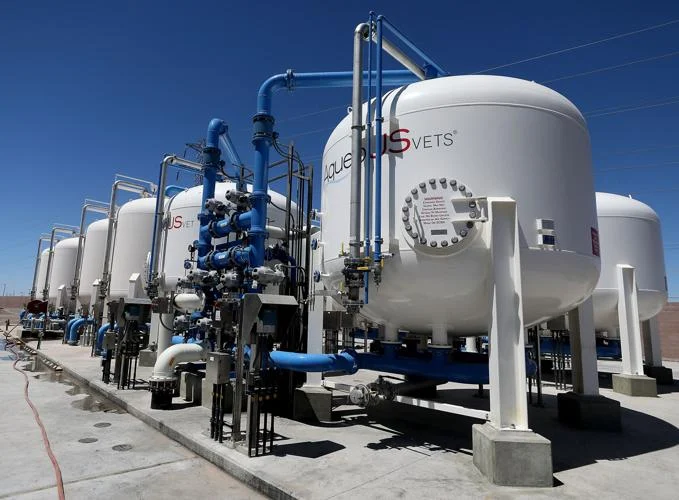
The EPA has identified the source of this pollution as the military properties and has issued an order for immediate cleanup efforts. The presence of PFAS in Tucson’s groundwater poses a significant threat to the water treatment operations managed by Tucson Water within the Tucson Airport Remediation Project (TARP) area. This contaminated water, which was supposed to be treated for drinking purposes, now requires urgent attention to prevent potential health risks to the local population.
PFAS, often referred to as “forever chemicals” due to their persistence in the environment and resistance to breakdown, have been linked to various health problems, including cancer, liver damage, and thyroid disease. These chemicals are found in a wide range of products, from firefighting foams used by the military to household items like non-stick cookware and stain-resistant fabrics. The contamination in Tucson underscores the broader issue of PFAS pollution across the United States, particularly in areas near military installations.

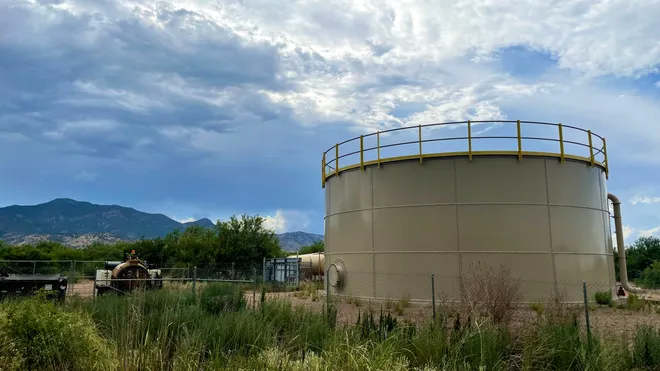
The EPA’s May 29 order mandates that the U.S. Air Force and Arizona National Guard develop and implement a comprehensive plan to mitigate the PFAS contamination. This includes immediate actions to stop further contamination and long-term strategies to clean up the existing pollution. The EPA’s directive highlights the severity of the issue and the need for swift, coordinated action to protect public health and the environment.
Tucson has a history of dealing with water contamination issues. The TARP area, in particular, has been a focus of remediation efforts for decades due to various pollutants from industrial and military activities. The discovery of high PFAS concentrations adds a new layer of complexity to the ongoing efforts to ensure safe drinking water for Tucson residents.
Local authorities, including Tucson Water, have expressed concern over the contamination. They are working closely with the EPA and other agencies to monitor the situation and implement necessary safety measures. The goal is to ensure that the water supply remains safe for consumption while addressing the contamination at its source.
The situation in Tucson is part of a larger national conversation about the regulation and cleanup of PFAS. The EPA has been working to establish stricter guidelines for PFAS levels in drinking water and to push for comprehensive legislation to manage and remediate these chemicals. The agency’s actions in Tucson could serve as a precedent for other contaminated sites across the country.

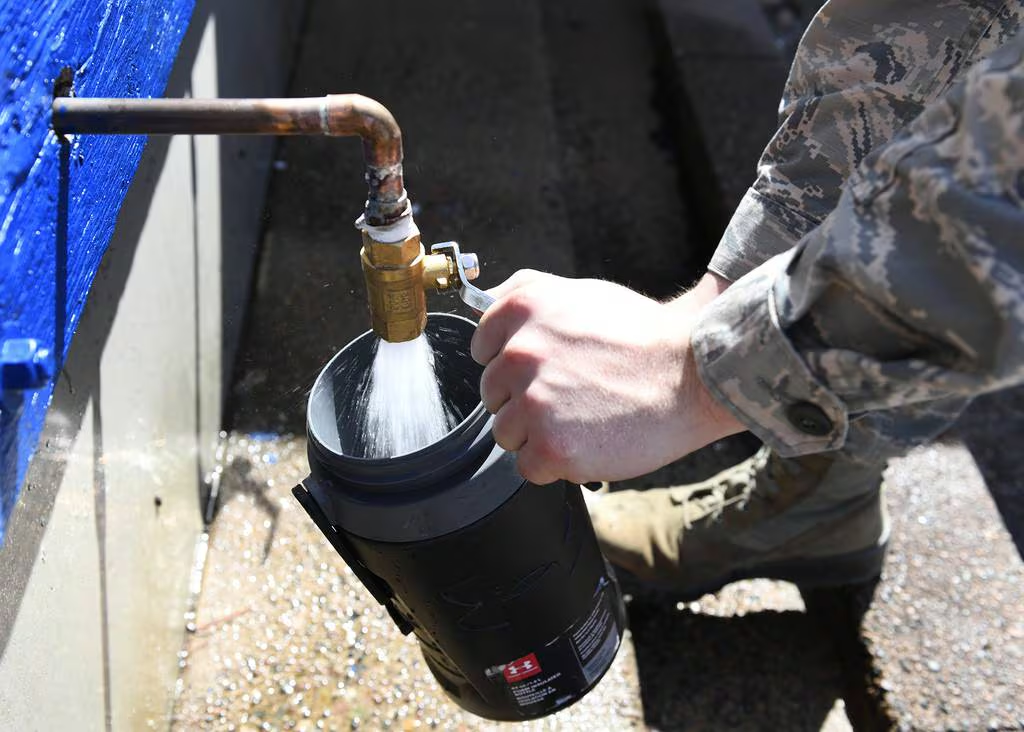
Community members and environmental advocates are calling for greater transparency and accountability from the military regarding the contamination. They are urging the Air Force and National Guard to take immediate responsibility and provide the necessary resources for cleanup. There is also a push for increased funding for research into PFAS alternatives and remediation technologies.
The EPA’s order represents a critical step in addressing the contamination, but the road to full remediation is likely to be long and complex. It will require sustained effort and collaboration among federal, state, and local agencies, as well as the military and the community. The ultimate goal is to restore the groundwater quality in Tucson and ensure a safe, sustainable water supply for future generations.
As the cleanup efforts begin, the situation in Tucson will be closely watched by other communities dealing with similar PFAS contamination issues. The actions taken here could influence future policies and strategies for managing and mitigating “forever chemicals” across the country. The hope is that through decisive action and collaboration, the harmful impacts of PFAS can be effectively addressed, protecting both public health and the environment.

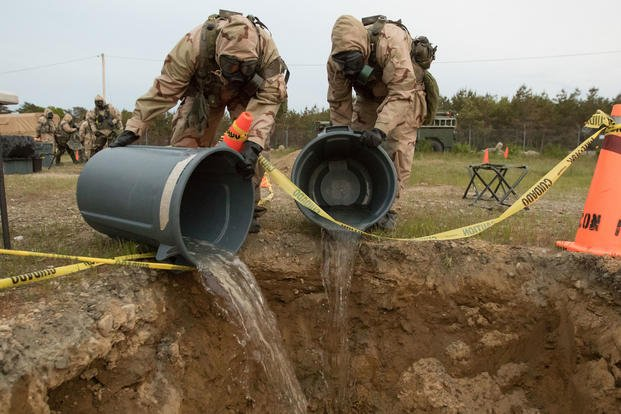
PFAS contamination has been an ongoing issue, with many military and industrial sites across the country facing similar problems. The chemicals’ resistance to degradation means they can persist in the environment for decades, making cleanup efforts particularly challenging. The EPA’s involvement signifies a crucial intervention aimed at accelerating the remediation process and mitigating the risks associated with these hazardous substances.
In summary, the EPA’s directive to the U.S. Air Force and Arizona National Guard to address PFAS contamination in Tucson is a critical step in a broader effort to manage and remediate “forever chemicals” nationwide. The collaboration among local, state, and federal agencies, along with the military, is essential for ensuring the safety and sustainability of the water supply in Tucson and other affected communities. Through sustained efforts and innovative solutions, there is hope for effectively tackling the challenges posed by PFAS contamination and safeguarding public health and the environment.