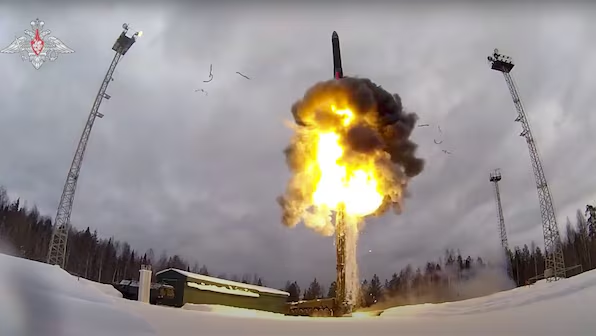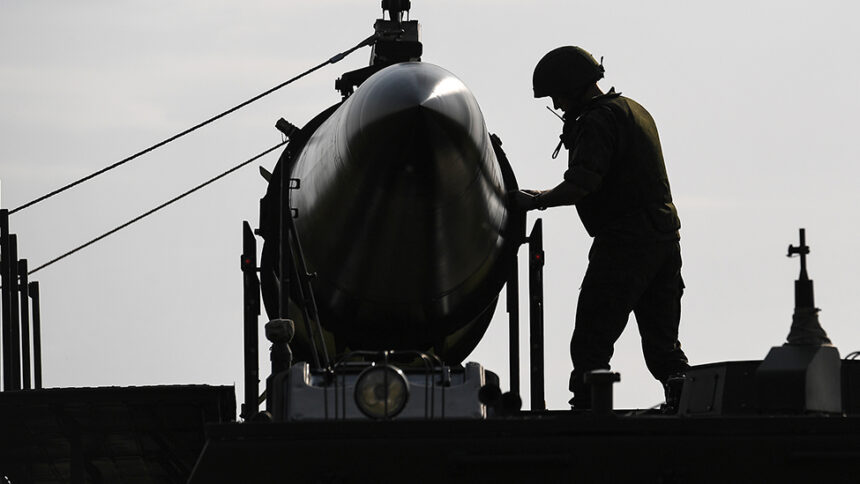
Russia announced on Wednesday that it conducted drills involving soldiers and sailors from its northern Leningrad military district, which shares borders with NATO members Norway, Finland, Poland, Estonia, Latvia, and Lithuania. These exercises focused on the deployment of tactical nuclear weapons, signaling a significant escalation in military activities in the region.
The decision to conduct these drills suggests a widening of the geographical scope of Russia’s nuclear exercises, as soldiers from military districts covering nearly all of Russia’s European border participated. This expansive area spans from the Arctic Ocean to the Black Sea, indicating a strategic move by Russia to bolster its military presence along its western frontiers.
President Vladimir Putin personally ordered these drills, responding to perceived threats from Western officials regarding the potential use of Western weapons by Ukraine to launch deep strikes into Russian territory. The exercises were initially announced last month to be conducted in the Southern Military district, which shares a border with Ukraine.
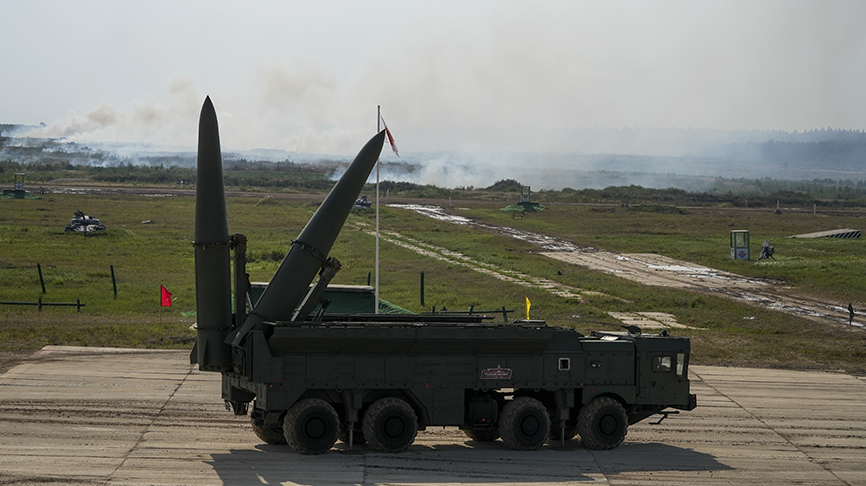
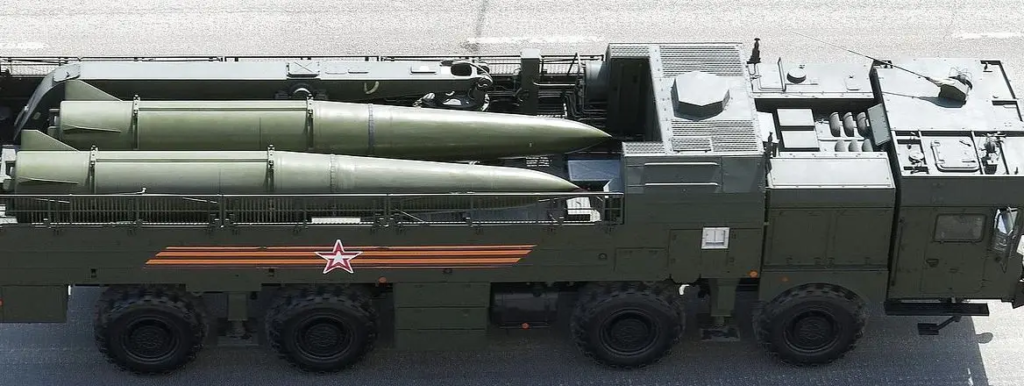
According to Russia’s defense ministry, personnel from the Leningrad Military District missile unit engaged in various combat training tasks as part of the drills. These activities included the acquisition of special training ammunition for the Iskander-M, a tactical ballistic missile system known for its precision and versatility.
The deployment of tactical nuclear weapons in military exercises raises concerns about the escalation of tensions in the region and the potential for miscalculation. It underscores Russia’s commitment to maintaining a strong defense posture and its willingness to demonstrate its military capabilities in response to perceived threats from NATO and its allies.
The inclusion of soldiers and sailors from the Leningrad military district, which borders several NATO member states, sends a clear message about Russia’s strategic priorities and its determination to assert its influence in areas of perceived strategic importance. It also serves as a reminder of the complexities and challenges inherent in managing security dynamics along NATO’s eastern flank.
As geopolitical tensions continue to simmer, these drills underscore the importance of dialogue and diplomacy in managing conflicts and preventing misunderstandings that could escalate into larger confrontations. The international community closely monitors such military exercises, emphasizing the need for transparency and confidence-building measures to mitigate the risk of unintended escalation.