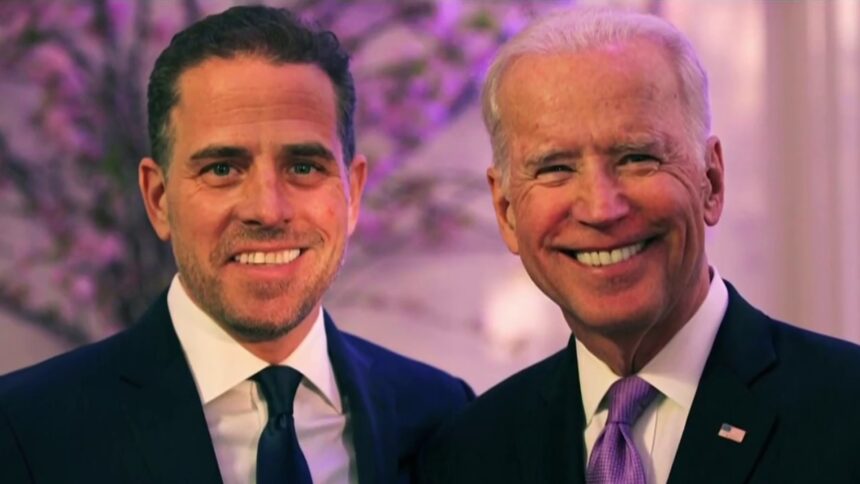
Members of Congress from both parties are voicing opinions on the gun charge that led to Hunter Biden’s conviction, with some arguing that the Justice Department should enforce such laws more rigorously. This comes after legal experts highlighted that the statute used in Biden’s case is infrequently applied by prosecutors. Several senators and representatives told NBC News that this needs to change.
Sen. John Cornyn, R-Texas, a senior member of the Judiciary Committee, expressed his belief that the DOJ has not been adequately pursuing gun charges. “I think we could do a lot to make our communities safer if the DOJ would more actively prosecute gun violations,” Cornyn stated. His sentiment was echoed by Sen. John Kennedy, R-La., who asserted that firearm charges should be used more frequently by prosecutors. Kennedy explained, “Attempting to get a gun and being turned down because of your reckless behavior, technically, is a crime. But it’s not prosecuted because they never get the gun.” He emphasized the seriousness of Biden’s case, noting that Biden had acquired the gun, which was later discarded by his then-girlfriend.

Hunter Biden, son of President Joe Biden, was charged last year for making a false statement when purchasing a firearm in 2018, falsely claiming he was not an unlawful user or addict of drugs. A jury found him guilty on Tuesday. Rep. Gerry Connolly, D-Va., commented on the conviction, stating, “A jury found it compelling that he clearly lied on the form while being a drug addict. And he should not have been able to purchase a gun.” Connolly added that enforcing this law more often could save lives, despite the personal toll it has taken on Biden and his family.
However, not all Republicans agree with the conviction. Rep. Thomas Massie, R-Ky., expressed his disagreement on social media, arguing that purchasing a gun should not be the reason for Hunter Biden to be in jail. Massie highlighted the issue of marijuana users who own guns, stating, “There are millions of marijuana users who own guns in this country, and none of them should be in jail for purchasing or possessing a firearm against current laws.”
In Biden’s defense, his attorneys invoked gun rights, arguing that the case was unconstitutional under the Second Amendment. This defense brings into question the broader implications of enforcing gun laws and the balance between public safety and constitutional rights.
The discussion around Hunter Biden’s conviction has sparked a broader debate on the enforcement of gun laws in the United States. Some lawmakers argue that stricter enforcement could enhance community safety, while others caution against overreach that might infringe on individual rights. This debate is particularly relevant in the context of rising concerns over gun violence and the need for effective legal measures to prevent it.
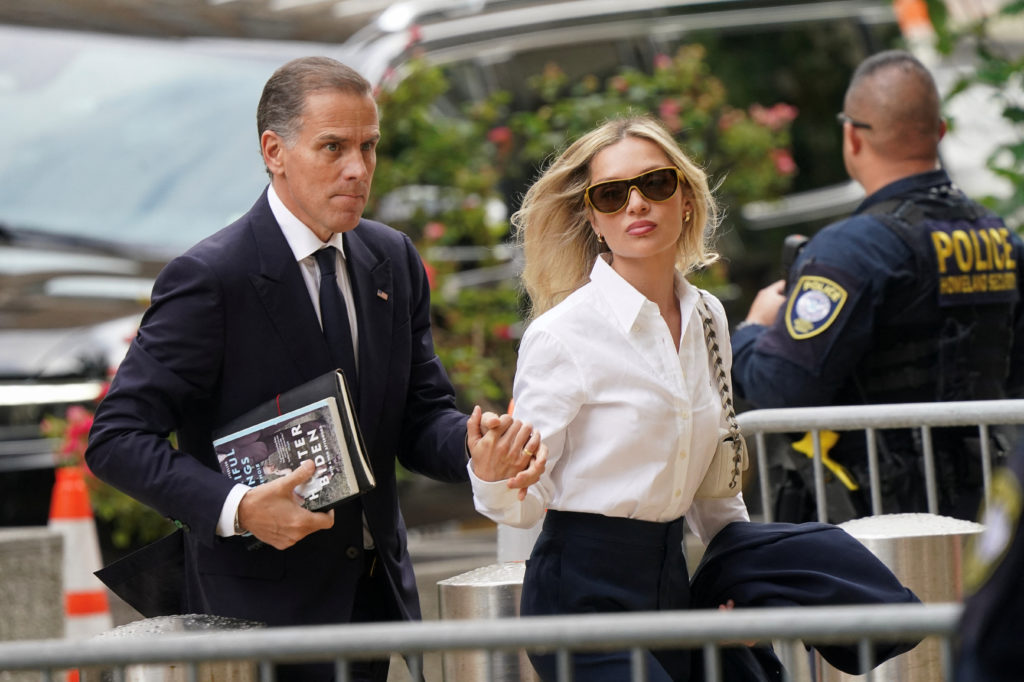
The mixed reactions from Congress reflect the complex nature of gun law enforcement in America. On one hand, there’s a push for stricter application of existing laws to prevent individuals with dangerous histories from obtaining firearms. On the other hand, there is concern over the potential for overzealous enforcement that could criminalize otherwise law-abiding citizens.
Hunter Biden’s case is emblematic of these broader issues. His conviction has brought attention to the often-overlooked statute regarding false statements on gun purchase forms, highlighting the importance of truthful disclosures in the context of public safety. Yet, it also underscores the ongoing debate over how to balance law enforcement with constitutional protections.
Moving forward, it is likely that this case will influence discussions on gun legislation and enforcement strategies. Lawmakers may consider whether current laws are sufficient or if new measures are needed to address the complexities of gun ownership and public safety. The debate is poised to continue as the country grapples with finding effective solutions to gun violence while respecting individual rights.
As the legal and political ramifications of Hunter Biden’s conviction unfold, it will be crucial to monitor how these discussions impact future policies and enforcement practices. The outcome could shape the landscape of gun law enforcement and influence the broader national conversation on how to address gun-related issues in a way that promotes safety and justice.