India’s ambitious plans to transition its public transportation system to electric buses are facing significant challenges, primarily due to financing hurdles. According to the World Resources Institute (WRI), these financial barriers are impeding the widespread deployment of electric buses, which are crucial for reducing urban pollution and advancing sustainable transportation goals.
The Financial Roadblocks
Despite India’s commitment to enhancing the green credentials of its public transport, the shift to electric buses has been slower than anticipated. WRI highlights several financial challenges that are currently stalling progress:
- High Initial Costs: The upfront costs of electric buses are substantially higher than their diesel counterparts. While electric buses offer long-term savings on fuel and maintenance, the initial investment remains a significant barrier for many public transport operators and state governments.
- Lack of Financing Mechanisms: There is a shortage of effective financing mechanisms to support the transition to electric buses. Traditional financing models are often inadequate for covering the high capital costs associated with electric buses, and there is a need for innovative financial solutions and supportive policies.
- Infrastructure Investments: Alongside the buses themselves, substantial investments are needed for the supporting infrastructure, including charging stations and maintenance facilities. The financial burden of developing this infrastructure further complicates the deployment of electric buses.
- Uncertain Returns on Investment: The long-term benefits of electric buses, such as reduced operational costs and environmental impact, are not always immediately visible. This uncertainty can deter investors and operators from committing to the transition.
The Importance of Electric Buses
Electric buses are a crucial component of India’s strategy to combat air pollution and reduce greenhouse gas emissions. They offer several benefits over traditional diesel buses:
- Environmental Impact: Electric buses produce zero tailpipe emissions, which is vital for improving air quality in Indian cities plagued by high levels of pollution.
- Operational Cost Savings: Over time, electric buses can be more cost-effective due to lower fuel and maintenance expenses compared to diesel buses.
- Energy Efficiency: Electric buses are generally more energy-efficient, contributing to a reduction in overall energy consumption.
Government and Policy Support
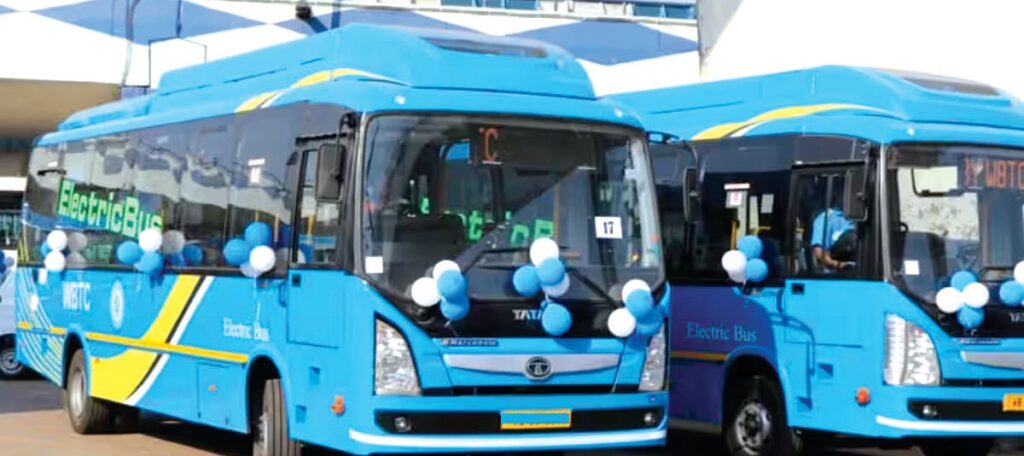
The Indian government has introduced various policies and incentives to promote the adoption of electric buses. These include subsidies under the Faster Adoption and Manufacturing of Hybrid and Electric Vehicles (FAME) scheme and state-specific incentives. However, despite these efforts, the financial barriers remain substantial.
WRI suggests that addressing these hurdles will require a multifaceted approach:
- Innovative Financing Models: Development of new financial instruments and models, such as public-private partnerships, green bonds, and performance-based contracts, could help overcome the initial cost challenges.
- Policy Reforms: Strengthening policies to provide clearer guidance and incentives for the adoption of electric buses can attract investment and reduce uncertainty.
- Infrastructure Development: Coordinated efforts to develop the necessary charging and maintenance infrastructure are essential to support the deployment of electric buses.
- Pilot Projects and Scaling: Initiating pilot projects and scaling successful models can demonstrate the viability of electric buses and encourage broader adoption.
Successful Examples and Future Prospects
Several cities in India have made strides in adopting electric buses, including Delhi, Bangalore, and Mumbai. These cities have demonstrated the potential benefits of electric buses and provided valuable insights into overcoming deployment challenges.
Looking ahead, the successful expansion of electric buses in India will depend on collaborative efforts between the government, private sector, and financial institutions. By addressing financing hurdles and leveraging successful case studies, India can advance its goal of a cleaner, more sustainable public transportation system.
The deployment of electric buses in India is a critical step towards reducing urban pollution and achieving sustainable transportation goals. However, financing remains a significant challenge. Addressing these hurdles through innovative financial solutions, policy reforms, and infrastructure investments will be key to unlocking the potential of electric buses and ensuring their widespread adoption. With continued efforts and collaboration, India can overcome these barriers and lead the way in sustainable public transport.