Colleges Without Students? How Madhya Pradesh Turned Education into a Joke
Madhya Pradesh’s Ghost Colleges: More Teachers Than Students, No Real Learning
A Crisis in Education
Across Madhya Pradesh, a strange scene is unfolding in the name of education. Government colleges are being opened rapidly—but not because students need them. These institutions, many created under political pressure, now stand almost empty, with more faculty than students and crumbling facilities that look more like storage rooms than classrooms.
The goal was to expand higher education. The reality is a network of ghost colleges—buildings with no students, classrooms filled with gym equipment, and staff being paid for doing very little.
Phanda Government College: A Symbol of the Collapse
One College, Two Classes, 17 Teachers… And Barely Any Students
Just 14 kilometers from Bhopal, the state capital, Phanda Government College is a shocking example of how deep the crisis runs. Official records show 17 students are enrolled. On most days, only 5 or 6 attend. Ironically, the number of teachers? Also 17.
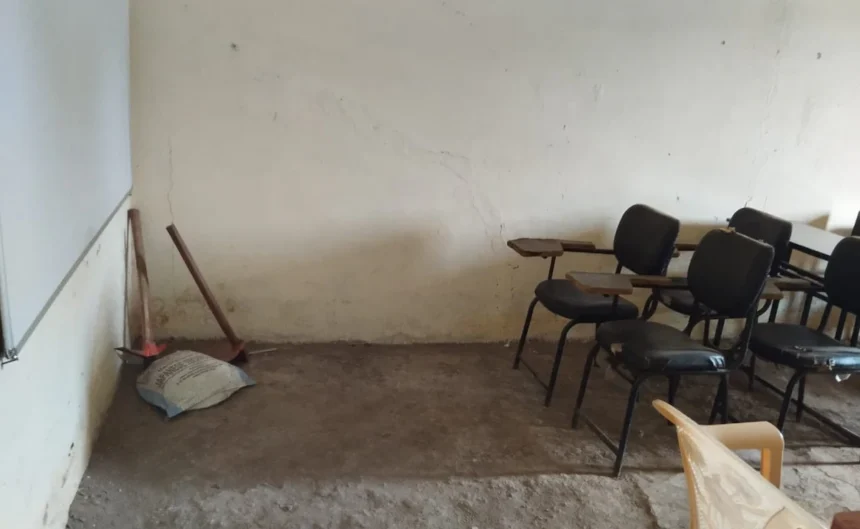
One room has axes, spades, and other tools lying around, resembling a workshop more than a classroom. Another space has dumbbells and a treadmill sharing space with school desks—making it look like a failed attempt at a gym-class hybrid.
There’s no proper water facility, no fans, no real classrooms—just buckets and plastic sheets pinned to walls to fight the heat.
Why Was It Opened? A Political Move, Not Academic Need
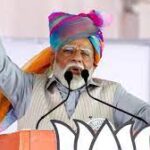
According to local BJP MLA Rameshwar Sharma, who pushed for the college’s opening, “It’s true that students aren’t attending or taking admission. Once they do, we’ll think about the building.”
That statement says it all: the college was opened without demand or preparation—just political urgency.
A Statewide Pattern: More Colleges, Less Purpose
Dozens of Colleges, Barely Any Students
Phanda isn’t alone. In the past year, 12 new colleges were set up, all under pressure from local MLAs and MPs. During the 2023–24 election year alone, 42 more were hastily opened.
Out of the 571 government colleges in Madhya Pradesh:
-
119 have fewer than 100 students
-
Some have fewer than 10
-
Many function from makeshift buildings like Panchayat Bhawans
The situation is so dire that teaching rarely happens, and the faculty’s main job is often just taking roll call.
Staff Without Leadership
The staffing situation is just as chaotic:
-
90% of colleges have no permanent principals
-
Out of 435 colleges, only 13 have full-time heads
This lack of leadership makes it impossible for colleges to improve or even function properly.
Politics Over Planning: The Real Agenda?
Opposition Slams Ruling BJP
The Congress party has criticized this trend, calling it a “vote collection gimmick.” According to former Congress MLA Sukhendra Singh Bana, “Colleges were opened without any demand or surveys—just in BJP MLAs’ areas to woo the youth during elections.”
The aim, critics say, is not education—but appearances.
Raigaon College: Another Ghost Campus
16 Students, 15 Faculty, 1 Principal—No Classes
In Raigaon (Satna district), the situation is nearly identical. The Government College here has:
-
16 students enrolled
-
15 teaching staff
-
1 in-charge principal
Classes? Rare. Silence fills the corridors. It’s a textbook case of a college that exists in name only.
Student Politics… Without Students
Even in these nearly deserted institutions, student politics are alive—at least on paper.
At Phanda College, Rahul Mewada, not yet enrolled, plans to transfer and run for student union president. “If the number of students increases, I’ll contest,” he said. He’s a member of the Akhil Bharatiya Vidyarthi Parishad (ABVP), a student group affiliated with the BJP.
This adds to the surreal nature of these institutions—student union elections with no actual students.
The Bigger Picture: What’s at Stake?
Colleges Turned into Political Showpieces
Once considered the “temples of knowledge,” these colleges are now symbolic of mismanagement. Instead of being centers of learning, they are:
-
Empty rooms filled with dust and disuse
-
Buildings with gym equipment but no fans
-
Staffed institutions without real teaching
-
Created without demand, just for political brownie points
Long-Term Damage to Students and Society
This is not just a waste of money—it’s a betrayal of the youth. When colleges become political tools, students lose real opportunities to grow, learn, and succeed. It also erodes faith in public institutions.
Rebuilding Trust in Higher Education
Madhya Pradesh’s higher education system is crying out for reform. The state needs:
-
Demand-based planning for new colleges
-
Proper infrastructure before launch
-
Qualified leadership and full-time staff
-
Genuine efforts to boost enrollment
Until then, these colleges will remain ghost institutions—symbols of a system that forgot what education is really about.