Dashavatar Set to Make History as First Marathi Film Released in Malayalam
Marathi cinema is all set to make history. After a spectacular run at the Maharashtra box office, Dashavatar, one of 2025’s biggest regional hits, is heading south — this time to Malayalam theaters.
The Malayalam release is being spearheaded by Varun Gupta’s Max Marketing, a major player known for promoting regional gems to wider audiences. With this move, Dashavatar becomes the first Marathi film ever to release in Malayalam, a milestone that could open doors for greater cultural exchange across Indian cinema.
The film, originally released on September 12, 2025, was directed by Subodh Khanolkar and produced by Sujay Hande of Ocean Films. The cast features an impressive lineup, including veteran actor Dilip Prabhavalkar, alongside Bharat Jadhav, Mahesh Manjrekar, Siddharth Menon, Abhinay Berde, and Priyadarshini Indalkar in pivotal roles.
A Cultural Leap for Marathi Cinema
India has long been home to a rich tapestry of regional cinema — from Tamil and Telugu blockbusters that dominate the national conversation, to acclaimed Malayalam and Bengali films that thrive on storytelling depth. But rarely do Marathi films travel beyond linguistic borders.
With Dashavatar’s Malayalam release, that narrative may finally be changing.
Varun Gupta, the founder of Max Marketing, believes this film is the perfect project to pioneer such a cross-cultural move.
“I’ve had the good fortune of working across various film industries in India,” Gupta said. “What I’ve realized is that Malayalam audiences don’t watch movies just for the stars. They watch films for their story and quality. In most other industries, including Hindi, it’s often the stars who grab attention.”
This insight became the driving force behind Dashavatar’s expansion. For Gupta, the film’s emotional core transcends language barriers.
“When I watched the film, I was spellbound by its visuals and emotions,” he added. “It’s the kind of story that speaks to everyone — no matter where they come from. I truly believe Malayalam audiences will connect with it deeply.”
About Dashavatar: A Tale Rooted in Tradition and Emotion
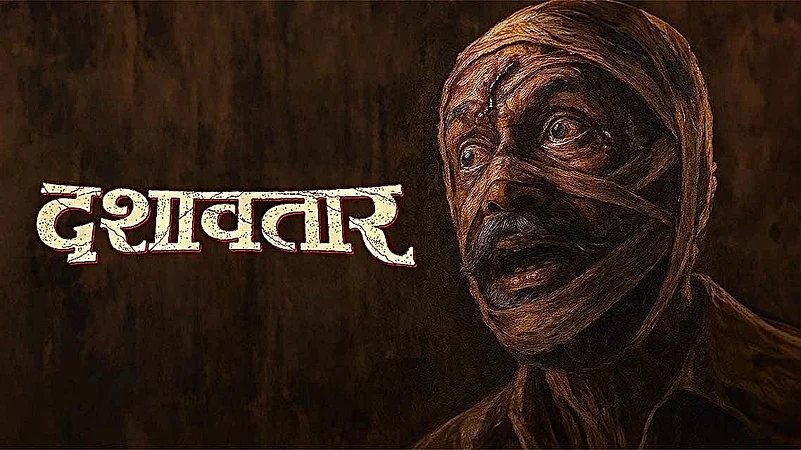
At its heart, Dashavatar is a suspense thriller set in the scenic Konkan region of Maharashtra. The story follows Babuli Mestri, an aging Dashavtari performer — an artist devoted to a traditional form of theatrical performance based on the ten avatars of Lord Vishnu.
Once celebrated in his community, Babuli now struggles to keep his art alive as modern entertainment takes over. Branded as “half-mad” by locals, he faces pressure from his family to retire. But his decision to perform one final show becomes the film’s emotional turning point — a performance that transforms from an artistic farewell into something far more profound.
The film beautifully explores themes of art, identity, and redemption, while showcasing the cultural richness of the Konkan coast.
Director Subodh Khanolkar masterfully balances the intimacy of human emotion with the grandeur of traditional performance. The cinematography captures the rustic beauty of Maharashtra, while the score enhances the film’s spiritual and emotional intensity.
Max Marketing’s Vision: Regional Cinema Without Borders
Max Marketing has steadily built a reputation for amplifying regional cinema on national and international stages. Under Varun Gupta’s leadership, the company has backed films that challenge conventions and celebrate India’s linguistic diversity.
For Gupta, Dashavatar’s Malayalam release is not just a distribution deal — it’s a statement of intent.
“We often see Hindi or pan-Indian films being dubbed and released in multiple languages,” he said. “But regional films also have that caliber. They deserve to travel beyond boundaries. Dashavatar is a perfect example of that.”
By introducing Dashavatar to Malayalam-speaking audiences, Max Marketing is testing the waters for a new wave of inter-regional collaborations — where compelling stories can find viewers far beyond their linguistic roots.
This move also reflects a growing appetite among audiences for authentic regional storytelling. With streaming platforms bringing Indian cinema’s linguistic diversity to mainstream attention, viewers are now more open than ever to exploring films from different parts of the country.
Breaking Ground: What Makes This Release So Historic
While several Indian films have crossed regional boundaries through dubbing or remakes, Dashavatar’s Malayalam release is a historic first for Marathi cinema.
The Marathi film industry, known for its storytelling depth and grounded realism, has traditionally catered to a niche audience. But with growing recognition from both critics and viewers, Marathi filmmakers are now aiming for national — and even international — visibility.
Dashavatar’s cross-regional release signifies a new confidence within the industry. It reflects a shift from inward storytelling to inclusive cinema, where stories rooted in local culture can resonate universally.
What to Expect from the Malayalam Release
The Malayalam version of Dashavatar will feature carefully adapted dialogues and regionally tuned sound design to ensure authenticity while maintaining the original’s emotional impact.
The team is also planning a special promotional campaign across Kerala, targeting both urban audiences and smaller towns with strong film-going cultures.
According to Max Marketing insiders, the film’s release will be accompanied by a limited theatrical re-release in Maharashtra — allowing audiences in both states to experience the story simultaneously.
Industry analysts expect Dashavatar’s Malayalam run to test how far regional films can travel when backed by strategic marketing and strong storytelling.
The Bigger Picture: A Step Toward Pan-Regional Cinema
The success of Dashavatar’s Malayalam release could mark the beginning of a new phase in Indian regional cinema, where powerful stories from one language are celebrated across others.
This movement aligns with the broader evolution of India’s entertainment industry — where boundaries between regional and national cinema are slowly dissolving.
If audiences embrace this film as strongly as they did in Maharashtra, it could pave the way for more Marathi films — and indeed, films from all regional industries — to find homes in theaters across India.
As Varun Gupta puts it, “Dashavatar isn’t just a film. It’s a cultural bridge. If it succeeds, it will show that good stories don’t need translation — only appreciation.”