The streaming revolution has fundamentally altered the entertainment landscape, with over-the-top (OTT) platforms emerging as powerful players in the industry. As traditional television and cinema face unprecedented challenges, OTT services like Netflix, Amazon Prime Video, and Disney+ are leading a shift towards a new era of content consumption. Central to this transformation is the rise of “star culture” on these platforms—a phenomenon where streaming services are not just delivering content but are actively shaping it with high-profile talent and star-driven projects.
The OTT Revolution: A Brief Overview
The OTT medium has disrupted traditional entertainment channels by offering viewers an expansive range of content on-demand. This shift has been accelerated by the COVID-19 pandemic, which confined audiences to their homes and drove them to seek out new forms of entertainment. With a vast array of content options and flexible viewing schedules, OTT platforms have become a preferred choice for many consumers.
The Rise of Star Culture on OTT Platforms
Star culture on OTT platforms refers to the significant influence that high-profile celebrities have in shaping content, from starring in original series and films to executive producing and endorsing projects. This trend highlights a shift from relying solely on traditional studio systems and theatrical releases to leveraging star power as a critical component of streaming success.
1. Talent-Driven Content
One of the most visible aspects of star culture on OTT is the involvement of A-list actors, directors, and producers in creating original content. Platforms like Netflix and Amazon Prime Video have invested heavily in securing exclusive deals with major stars. For instance, Netflix’s partnership with Shonda Rhimes and Ryan Murphy has led to a plethora of successful series, such as “Bridgerton” and “Ratched,” that heavily feature star talent both in front of and behind the camera.
Stakeholder Perspectives
1. Industry Experts and Executives
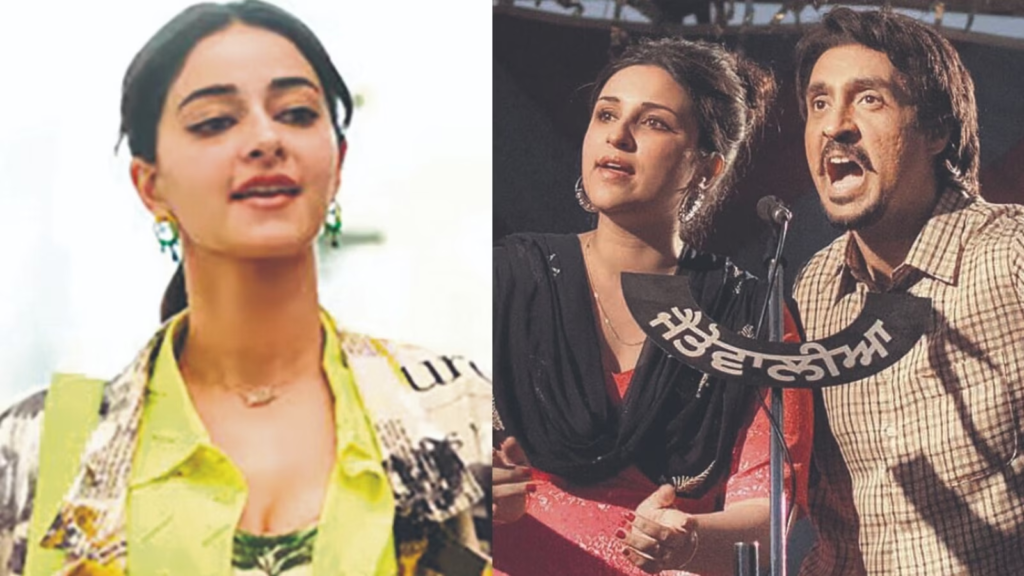
Industry experts and executives believe that the focus on star-driven content is a strategic move to attract subscribers and retain viewer interest. According to Reed Hastings, co-founder and co-CEO of Netflix, “Stars are an integral part of our strategy to differentiate our content. Their involvement not only draws viewers but also enhances the quality and appeal of our productions.”
Similarly, Jennifer Salke, head of Amazon Studios, emphasizes the importance of star power in creating compelling content. “Our goal is to bring stories to life with the help of top talent. Stars bring their own following and credibility, which can significantly boost the success of our projects.”
2. Actors and Creators
For actors and creators, the OTT medium offers new opportunities for creative freedom and visibility. Emma Stone, who starred in Netflix’s “Maniac,” expressed her enthusiasm about working with streaming platforms. “The freedom to explore unconventional roles and projects is something OTT platforms provide that traditional studios often don’t. It’s a chance to take creative risks and reach a global audience.”
3. Audiences
Viewers have responded positively to the influx of star-driven content. According to a recent survey by Statista, 72% of OTT subscribers reported that the presence of their favorite actors or directors significantly influences their choice of what to watch. The desire for exclusive content featuring popular stars has become a driving force in the streaming market.
Challenges and Criticisms
While the rise of star culture on OTT platforms has its advantages, it also presents several challenges and criticisms. One concern is the potential overshadowing of lesser-known talent. Critics argue that the focus on star power can lead to a lack of diversity in both cast and storytelling. For example, indie filmmakers and emerging talent may struggle to gain visibility in a market increasingly dominated by big names.
Another issue is the risk of over-reliance on celebrity-driven content, which can lead to inflated production costs and diminishing returns if the stars do not guarantee success. As noted by industry analyst David Hancock, “While stars can bring attention, they don’t always translate to quality or viewership. It’s essential for platforms to balance star-driven projects with innovative and diverse content.”
The Future of Star Culture on OTT
Looking ahead, the role of star culture on OTT platforms is likely to continue evolving. As competition intensifies among streaming services, the ability to attract and retain top talent will remain a key factor in success. Platforms may increasingly use star-driven projects not only to attract subscribers but also to foster long-term viewer loyalty.
Additionally, there is potential for more collaboration between stars and emerging creators, providing a platform for fresh voices and innovative storytelling. As the industry adapts to these changes, finding a balance between star power and diverse, high-quality content will be crucial.
The rise of star culture on the OTT medium marks a significant shift in the entertainment industry. With high-profile talent playing a central role in shaping content, streaming platforms have capitalized on the allure of celebrities to draw viewers and differentiate themselves in a crowded market. While this trend offers exciting opportunities for both stars and audiences, it also brings challenges that need to be addressed. As the OTT landscape continues to evolve, the interplay between star power and content quality will be a key factor in shaping the future of entertainment.