In the inaugural Sagarmatha Sambaad in Kathmandu, United Nations Secretary-General António Guterres made an engaging video message that brought international focus on Nepal’s key contribution to climate action and the immediate challenge of climate change. The message not only expressed solidarity with Nepal but also emphasized the urgency of international discourse, collaboration, and stepped-up action to combat the rapidly advancing climate crisis.
Nepal’s Climate Crisis: A Warning Sign for the World
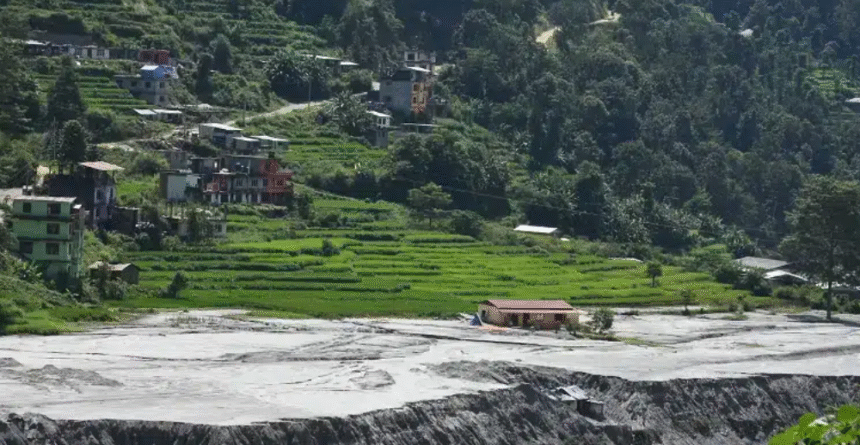
Guterres painted a sobering picture of the environmental challenges Nepal faces due to climate change. The Himalayan nation, home to some of the world’s largest glaciers, has experienced unprecedented ice melt, losing nearly one-third of its glacier ice cover in just over 30 years. This startling rate of glacial retreat is 65 percent faster than the rate observed in the previous decade alone, signaling an alarming acceleration of climate impacts.
The implications of this accelerated glacier loss reach far beyond the borders of Nepal. The glaciers supply large river systems, such as the Indus, Ganges, and Brahmaputra, upon which hundreds of millions in South Asia rely. As the glaciers dwindle, river flows can become more unstable and lower, jeopardizing water security, agriculture, and energy production throughout the region. In addition, the melting of ice and altered precipitation rates raise the prospect of catastrophic natural disasters like floods, droughts, and landslides — all of which disproportionately affect vulnerable populations.
Secretary-General Guterres underscored that Nepal’s climate crisis is representative of the general danger confronting vulnerable nations across the globe. Although developing countries like Nepal have minimal emissions, they incur maximum impacts, yet again highlighting the need for global cooperation and solidarity.
The Strength of “Sambaad”: Dialogue as Climate Action
At the heart of Sagarmatha Sambaad and Guterres’ message was the theme of “sambaad,” meaning dialogue or conversation. The Secretary-General emphasized that open, inclusive dialogue between countries, communities, and stakeholders is needed to create effective responses to the climate crisis.”.
He commended Nepal for its leadership in embracing new local adaptation strategies, the development of early warning systems to counter disaster hazards, and undertaking reforestation efforts to restore degraded lands. These are not only indicative of Nepal’s determination to address climate change at the local level but also provide worthwhile lessons to other nations with similar challenges.
Guterres called for the international community to hear Nepal and other vulnerable countries, pointing out that their experiences contain key lessons for developing resilient climate action. The UN leader positioned Nepal’s initiatives as a global learning experience—a benchmark for adaptive action, local participation, and sustainability.
Call for Global Action: Responsibility and Opportunity
While recognizing Nepal’s advances in climate leadership, Guterres emphasized that the size and intensity of the crisis require much more action by the world’s largest emitters. To keep warming to 1.5°C and prevent the most catastrophic effects of climate change, developed countries need to speed up the transition to clean energy and keep their financial promises.
The Secretary-General underscored the historic $1.3 trillion climate finance target agreed at COP29 and invited countries to quickly mobilize the funds. Particularly, he urged doubling adaptation finance to a minimum of $40 billion in 2025 to assist vulnerable nations in improving their resilience. Also essential is the delivery on commitments concerning the “loss and damage” fund—a mechanism to cover and assist communities that experience irrevocable climate effects.
Guterres emphasized that these funding promises are not only obligations but also investments in international stability, fairness, and common prosperity. For him, the climate crisis is a defining challenge of our time—a challenge that calls for bold cooperation, imagination, and unflinching political will.
A United Front Against Climate Change
In conclusion to his speech, the UN Secretary-General reaffirmed the need for a collective, concerted action towards the climate crisis. He stressed that any nation, regardless of its vulnerability or strength, cannot address this crisis on its own. The key to success lies in bridging gaps between industrialized and developing countries, governments and civil society, and public and private sectors.
The Sagarmatha Sambaad itself is a reflection of this cooperative spirit—a forum aimed at bringing people together, exchanging ideas, and reaching agreement on sustainable development and climate resilience. By highlighting Nepal’s leadership and resilience, the meeting aims to generate a global movement towards more inclusive, locally driven climate solutions.
Guterres’ appeal is a call to action for the global community to act quickly and collectively. The clock is running out, and the way forward requires immediate, fair, and creative climate action guided by the lessons of those most impacted—such as Nepal.
Conclusion: Learning from Nepal’s Example
Nepal is at the forefront of the climate emergency, with accelerated glacier melting and increasing natural disasters. However, the nation’s dedication to forward-looking adaptation, restoration of ecosystems, and grassroots solutions is a shining example of hope and something that the world can learn from.
The United Nations’ highlight of Nepal’s climate leadership at Sagarmatha Sambaad sets the world-stage importance of international dialogue, collective responsibility, and timely financing to enable vulnerable countries. It reminds us that fighting climate change effectively means hearing out different voices, listening to local knowledge, and embracing collaboration at all levels.
As world leaders convene in different forums during the course of the year to address climate issues, Nepal’s case teaches us essential lessons: that even the weakest can lead, motivate, and make a difference. The world needs to step up to this challenge, not just to protect Nepal’s glaciers and citizens but to ensure a sustainable future for everyone.