


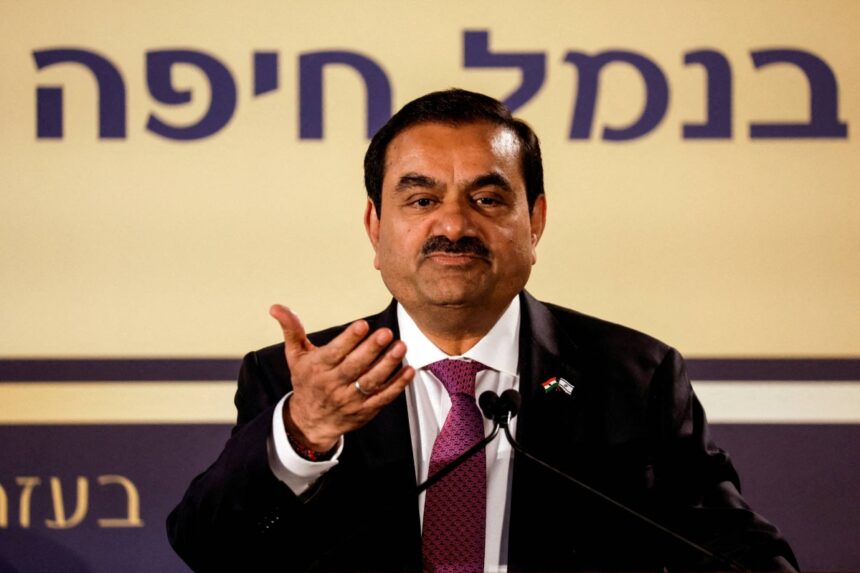
The financial world is watching closely as Japanese banks continue their support for Gautam Adani, even as some global financial firms like Barclays and Jefferies reconsider their ties with the Indian business tycoon. This division of opinion comes after Adani and others were accused in a massive $250 million bribery scheme aimed at influencing Indian government officials to secure solar energy contracts.
While this scandal has raised eyebrows globally, Japanese banks such as Mizuho, Sumitomo Mitsui, and Mitsubishi UFJ are standing firm, signaling confidence in Adani’s future. Let’s dive into why these financial giants are sticking by Adani, and why some international banks are pulling back.
Japanese Banks Stay Loyal to Adani: Here’s Why
Despite the cloud of accusations hanging over Gautam Adani’s conglomerate, Japan’s biggest banks are showing no signs of pulling back. Mizuho Financial Group, Sumitomo Mitsui Financial Group, and Mitsubishi UFJ Financial Group all continue to support Adani’s group, confident that the scandal won’t have lasting effects on their relationship.
According to people familiar with the matter, these banks see Adani’s businesses—from ports to power generation—as cash-generative assets that continue to perform well despite the controversy. The banks believe the ongoing legal process in the United States will take time and will not directly affect their investments in India.
Why Japanese Banks Are Unfazed
Japanese financial institutions have a long history of dealing with risks in emerging markets, particularly after the Asian Financial Crisis of the 1990s. Experts say that banks like MUFG and SMBC have sophisticated risk management frameworks, allowing them to navigate challenges like this one without dramatically reducing their exposure to India—a key growth market.
Ben Charoenwong, a finance professor at INSEAD, suggests that Japanese banks are unlikely to drastically cut ties with India. However, they may raise risk premiums or tighten processes when dealing with certain projects in the future.
Global Banks Rethink Their Exposure to Adani
While Japanese banks remain steadfast, other global firms are more cautious. Some major US and European banks, including Barclays and Jefferies, are reconsidering their relationship with the Adani Group in light of the bribery charges.
Barclays Suspends New Financing for Adani
Barclays, which has worked closely with Adani in the past, has decided to pause its involvement with the group. The British bank had already begun to reduce its exposure to Adani after Hindenburg Research accused the conglomerate of financial misconduct last year. But after the recent bribery allegations surfaced, Barclays is holding off on extending any new loans or underwriting any future deals with the group.
In the past, Barclays was involved in key deals for Adani, such as a $409 million bond sale for Adani Green Energy. But for now, the bank is rethinking its future relationship with the Indian giant.
Jefferies Holds Off on New Deals
Meanwhile, Jefferies Financial Group, which stood by Adani during the initial controversy in 2023, is now pausing new business dealings with the group. Although Jefferies hasn’t made a formal decision yet, insiders suggest that the firm is waiting for a clearer outcome on the charges before proceeding with any new projects involving Adani. This includes potential deals like the $1.9 billion share sale in Adani Group companies that Jefferies helped broker last year.
Despite their hesitation, Jefferies has continued to be involved in some of Adani’s recent stock sales, including a $500 million deal raised earlier this month. However, the company is treading carefully as the legal drama unfolds.
The Divide: Japanese Banks vs. Western Firms
This growing divide between Japanese banks and Western firms like Barclays and Jefferies highlights a key difference in risk tolerance and market outlook. While Western banks seem concerned about the reputational risk associated with Adani, the Japanese lenders are willing to take a longer view, backing cash-flow positive projects in a growth market like India.
Why Japan’s Banks Are Still Confident in Adani
Adani’s group has strong government ties in India, which gives these Japanese financial giants confidence that the Indian conglomerate will weather this storm. Adani representatives have been meeting with investors and lenders to reassure them and explain their stance on the bribery charges. This ongoing dialogue is helping the group maintain support from its long-term partners in Japan.
Moreover, Japan’s banks are accustomed to navigating the complexities of emerging markets, as their investments in Southeast Asia during the 1990s prepared them for risks like those posed by Adani. Their experience allows them to view the current situation as a temporary challenge rather than a deal-breaker.
Middle Eastern Banks Also Unfazed
In addition to Japanese financial firms, some Middle Eastern banks like Emirates NBD Bank are also maintaining their support for Adani. Similar to Japan, these banks view Adani as an important player in the Indian market, and they continue to back his projects despite the legal challenges.
Looking Ahead: What’s Next for Adani?
While Japanese banks continue to back Adani, the situation remains fluid. The bribery charges are serious, and global financial institutions are carefully watching how the legal battles unfold. For now, some banks have paused or scaled back their exposure to the group, but Adani remains a significant force in the global market, particularly in India.
It will be interesting to see whether other international firms follow the example set by Barclays and Jefferies, or whether Adani can continue to rely on his deep-rooted connections and financial support from countries like Japan.
As the legal case progresses, Adani’s group is expected to keep working hard to restore confidence among its investors and lenders, while Japanese banks are likely to continue their involvement as long as they see strong returns from their investments.
Conclusion: A Divided Financial World
In the world of global finance, it’s clear that there is a divide in how companies are handling their relationships with Adani Group. While Japanese banks stand firm in their support, Western institutions are more cautious, rethinking their exposure to the Indian conglomerate. As the bribery scandal plays out, only time will tell how these financial institutions adjust their strategies.


