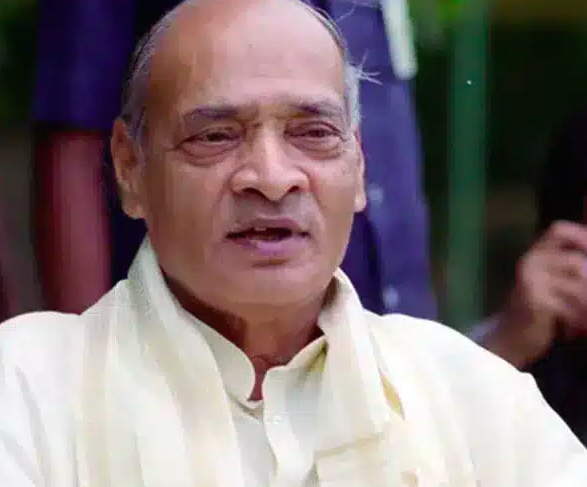
Rao became prime minister under extraordinary circumstances following Rajiv Gandhi’s assassination and an unprecedented balance of payments crisis. With India on the verge of economic collapse, Rao hired Dr. Manmohan Singh as finance minister. Together, they dismantled the License Raj, relaxed foreign investment rules, and opened Indian markets to global trade—a turning point now widely regarded as the launchpad for India’s current economic status.
“Rao’s greatest legacy is that he provided the political cover needed for bold, unpopular economic moves,” says economist and former RBI governor Dr. C. Rangarajan.
Key Economic Reforms under Rao:
Industrial Deregulation: The removal of industrial licensing, ushering in private sector growth.
Trade Policy Changes: Reduction in import tariffs and promotion of exports.
Privatization: Sale of public sector enterprises and encouragement of private investment.
Foreign Investment: Lifting restrictions for international businesses and allowing foreign direct investment (FDI).
These policies fostered nearly 6% average GDP growth during the 1990s and shifted India’s image from a closed, socialist economy to a burgeoning market-driven powerhouse.
Navigating Political and Social Challenges
Beyond economics, Rao’s tenure was marked by turbulence, most notably the demolition of the Babri Masjid in December 1992, which ignited riots and communal tensions. Critics argue his government failed to prevent the tragedy, while supporters contend the political context limited his options.
“It’s important to recognize that Rao’s priority was economic stabilization, but the fallout of Ayodhya remains a permanent blemish,” notes political scientist Prof. Neera Chandhoke.
Despite this controversy, Rao was a master parliamentarian who successfully led a minority government, stabilizing the Congress party and Indian politics in a period rife with defections and coalition-era uncertainty.
Foreign Policy and Strategic Vision
Rao’s foreign policy expertise was widely acknowledged. As foreign minister, he strengthened ties with ASEAN, Israel (recognizing formal diplomatic relations in 1992), and neighboring countries. Credited with early steps towards India’s Look East Policy, Rao diversified India’s global partnerships and laid groundwork for later strategic alignments.
Literary Pursuits and Later Years
A prolific writer, Rao authored works in several languages, most notably the novel The Insider. His intellectualism and private approach often left him underappreciated in his lifetime. After his tenure, Rao withdrew from public life and passed away on December 23, 2004, in New Delhi.
Recognition has grown in recent years, with historians and policymakers crediting Rao for his foundational role in shaping modern India. In 2020, the Telangana state government celebrated his centenary year, calling him the “father of Indian economic reforms”.