


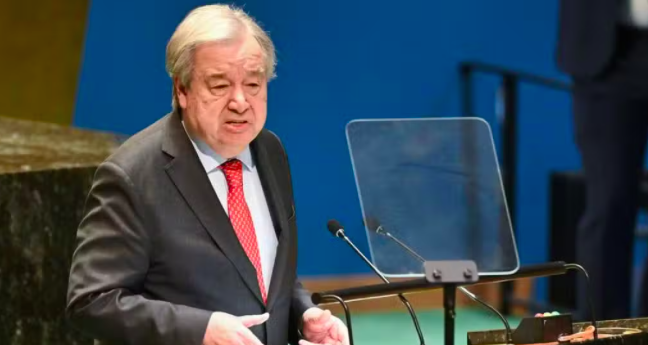
Growing Gaps in Protection Highlighted
The recurring nature of mass displacement, ethnic violence, and mounting humanitarian crises has prompted renewed scrutiny of global protection mechanisms. Addressing delegates on Thursday, UN High Commissioner for Refugees Filippo Grandi declared, “We cannot accept business as usual while millions suffer from preventable atrocities. Enhancing our collective response and ensuring accountability is not optional—it is an obligation.”
Recent UN data reveals staggering statistics: as of 2023, over 110 million people worldwide are forcibly displaced, the highest figure on record. Many are subject to grave protection risks, ranging from gender-based violence to statelessness, reflecting persistent global shortfalls in both prevention and response.
Policy Leaders Demand Action, Not Rhetoric
High-profile participants echoed demands for greater coordination and transparency among international actors. “The world must move beyond statements of intent,” asserted Kenyan delegate Joyce Makena. “Concrete action, resources, and mechanisms for accountability are urgently needed—not just promises.”
Several speakers proposed specific interventions:
Institutionalized monitoring for early warning of mass atrocity risks
Stronger mandates and independence for international human rights bodies
Enhanced support for civil society organizations working on the front lines
Accountability Seen as Linchpin for Effective Protection
Addressing Impunity and Closing Accountability Gaps
One major focus was the challenge of impunity. Human rights lawyer Hala Siddiqui, speaking on behalf of a global coalition of NGOs, argued, “Sustained protection can only be achieved where perpetrators are held accountable. Too often, political considerations hamper justice, undermining both deterrence and trust in international institutions.”
UN Special Rapporteur Michael Brewster pointed to ongoing investigations into crimes in Myanmar, Ukraine, and Sudan as test cases for strengthening international accountability. “These situations demonstrate both the progress and the persistent shortcomings in our global system. Political will remains the deciding factor.”
Tying Aid and Partnerships to Compliance
Several European and North American representatives suggested tying international aid and trade to recipient countries’ compliance with protection and accountability standards. However, some states cautioned that such measures risk politicizing humanitarian assistance.
“Incentivizing compliance through positive reinforcement and genuine partnership—rather than punitive measures alone—will be more effective,” countered Brazilian diplomat Lucia da Silva.
The Role of Civil Society and Grassroots Initiatives
Frontline Responders Demand a Seat at the Table
Civil society groups, often the first to identify protection threats, urged governments to involve local organizations in policy design and implementation. Laila Hamdi, director of a refugee-led protection network, said, “Our voices must be heard. Real accountability includes consulting and empowering those most affected.”
Reports from Human Rights Watch and Amnesty International highlighted the critical role grassroots actors play in documenting abuses, delivering aid, and providing early warning in fragile contexts.
New Research and Recommendations
Data-Driven Protection
A joint study by the Overseas Development Institute and the International Organization for Migration found that targeted data collection, transparent reporting, and digital early warning systems measurably improve protection outcomes. “We must invest in data and technology—but also ensure privacy and security for vulnerable groups,” the report concluded.
Recommendations at a Glance
Establish independent monitoring bodies at the regional level
Expand whistleblower protections for local actors documenting abuses
protection of vulnerable populations,Integrate protection benchmarks into development and peacebuilding frameworks


