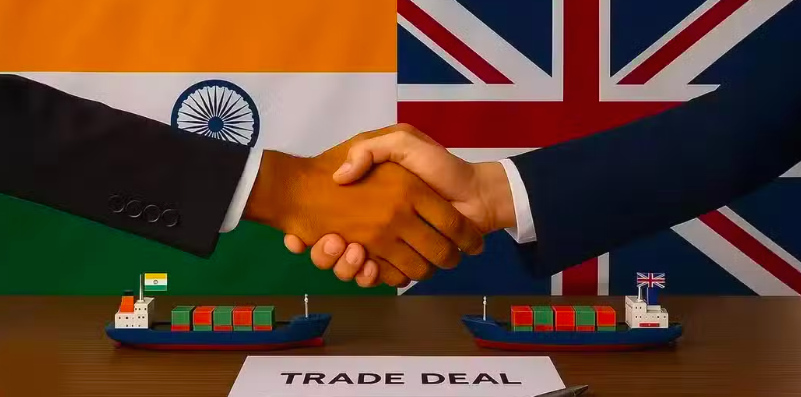
As India contemplates a significant change in its import policy, trade analysts and policymakers are debating the merits of reducing tariffs to boost competitiveness and integrate more fully with global supply chains. In a research note released Thursday, the Global Trade Research Initiative (GTRI)—a leading Indian trade think tank—warned that removing or drastically lowering tariffs could threaten the survival of domestic manufacturers and undermine the growth of nascent sectors.
“Tariffs have historically served as a shield for Indian industries, enabling them to grow, invest, and innovate in a protected environment,” said Dr. Ajay Srivastava, Co-Founder of GTRI. “Suddenly opening the floodgates without phased, strategic planning may expose them to intense foreign competition.”
The Policy Debate: Growth Versus Protection
Advocating for Tariff Reduction
Proponents of lower tariffs—including some international agencies and sections of India Inc.—argue that reduced import duties will:
Lower costs for raw materials
Encourage investment
Push Indian firms towards efficiency
Help integrate India into global value chains
A senior official at the Ministry of Commerce, speaking on condition of anonymity, said, “India needs to move beyond protectionism if it aims to become a $5 trillion economy and a global manufacturing hub.”
GTRI’s Counterpoint
However, GTRI’s analysis finds that:
Removal of tariffs could lead to an influx of cheaper imported goods, harming smaller Indian companies
Critical industries such as electronics, textiles, and automobiles could face unfair competition from larger, established foreign players
Domestic value addition could decline, hampering job creation and technology transfer
“Tariffs are not merely barriers; they are policy tools that must evolve with sector-specific needs,” Dr. Srivastava explained.
Data and Comparative Insights
According to the World Bank, India’s average applied tariff rate was 14.6% in 2023—higher than major economies such as China (7.5%) and the US (2.6%). While high tariffs have historically protected sectors like textiles and electronics, they may also have inadvertently slowed technology transfer and global integration, critics argue.
Yet, India’s manufacturing competitiveness remains mixed:
Electronics exports rose 15% in 2023, backed by consistent tariff support and domestic production-linked incentives.
Sectors previously liberalized, such as toys and bicycles, have often suffered from a surge in cheap imports, pressuring local producers.
Industry Perspectives and Stakeholder Reactions
Indian Manufacturers Urge Caution
The Confederation of Indian Industry (CII) echoed GTRI’s concerns. In a statement, CII president Sanjiv Puri said, “Tariff rationalization should be gradual and strategic, ensuring that Indian enterprises are not put at a disadvantage overnight.”
Exporters Call for Balanced Reforms
On the other hand, the Federation of Indian Export Organisations (FIEO) argued for balanced reforms. “A nuanced approach is critical. Some sectors are ready to compete globally, while others need more time. Sudden removal of tariffs can harm vulnerable industries,” said FIEO director Ajay Sahai.
Government’s Position: A Phased Roadmap?
While the government has signaled openness to revisiting India’s tariff structure, Commerce Minister Piyush Goyal addressed industry apprehensions last week, stating, “We will not compromise on the interests of Indian manufacturers. Any change in tariff policy will be done in consultation with stakeholders and guided by national priorities.”
International Implications
India is currently negotiating free trade agreements (FTAs) with multiple blocs, including the European Union, UK, and Australia. Analysts note that tariff flexibility will be a critical bargaining chip. Sudden blanket cuts could weaken India’s negotiating position.
“India must retain the ability to use tariffs as a strategic tool in global trade talks,” said trade expert Biswajit Dhar of Jawaharlal Nehru University.