


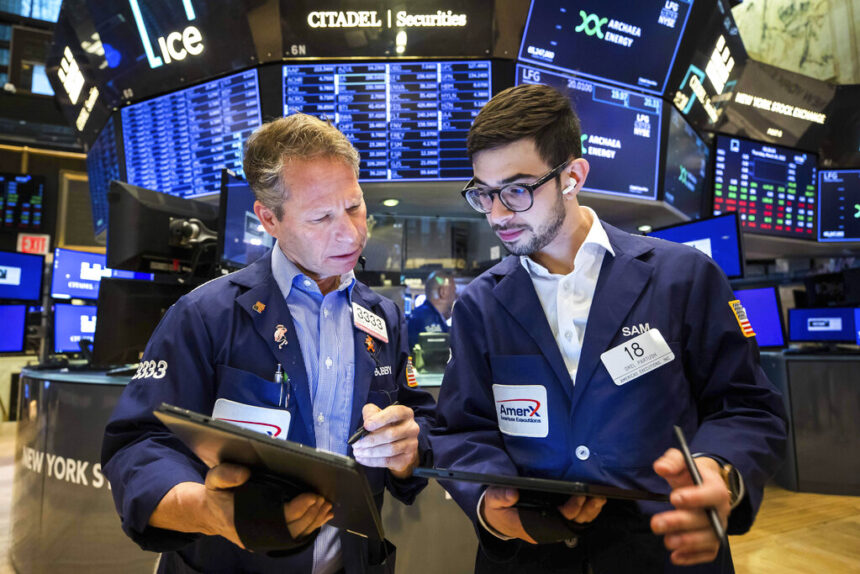
As worries about the health of the economy were increased by disappointing U.S. manufacturing statistics, the Dow Jones Industrial Average saw a dip at the start of June trading. The drop was driven by shares of banks, industrials, and other companies reliant on economic growth.
The 30-stock Dow finished at 38,571.03, down 115.29 points, or 0.30%. The Nasdaq Composite gained 0.56% to close at 16,828.67, while the S&P 500 edged higher by 0.11% to close at 5,283.40.
Cyclical stocks, whose performance is strongly correlated with economic growth, declined, with the materials, energy, and industrial sectors closing lower. Prior to this, the ISM manufacturing index, which was 48.7 in May, indicated that the US manufacturing sector was slowing down, which caused the dollar and Treasury rates to decline. A result that is less than 50 indicates a contraction.

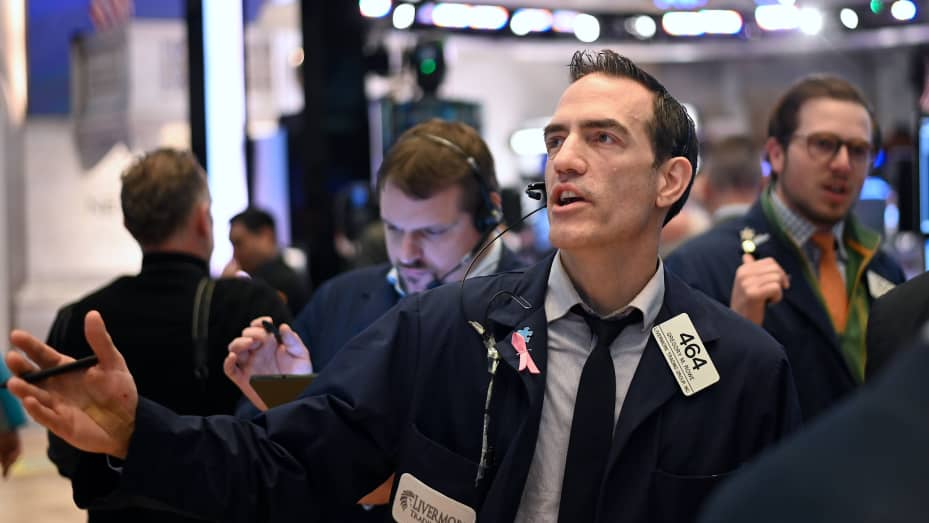
Nvidia’s stock increased by almost 5% on Monday following the company’s announcement of a new line of AI processors, indicating that it is ready to contend with competition in this fiercely competitive market. The chip manufacturer announced that it will annually enhance the architecture of its AI chips.
Wall Street is fresh off a robust May, during which all three major averages recorded gains for the sixth time in seven. May was the highest month for the Nasdaq since November 2023, rising 6.9%.
But as the month came to a finish, the surge appeared to be losing momentum. Despite the Dow rising more than 500 points on Friday, all three averages ended May more than 1% below their all-time highs. Chip stocks plummeted last week, causing the Nasdaq to drop 1.1%.

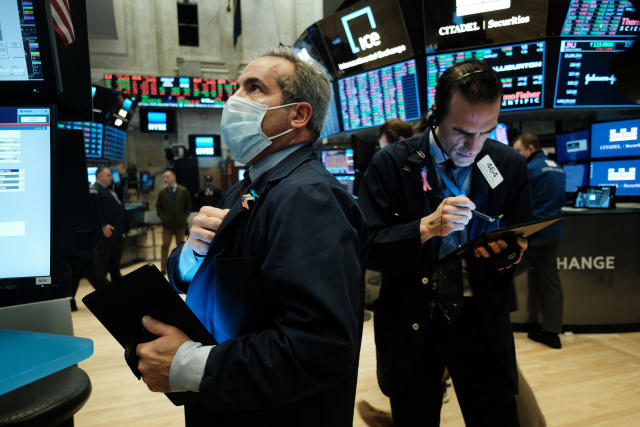
Chris Senyek, chief investment strategist at Wolfe Research, stated on Monday, “We’re sticking with our call for volatility to pick up over the summer with technicals still stretched, little fear baked in, and sentiment looking optimistic.”
More economic updates are abundant in the first week of June. Wednesday’s ADP private payroll data is anticipated by investors, and on Friday, the May jobs report. In order to allow the Federal Reserve to lower interest rates, investors seem to want a slight economic slowdown—but not one that would cause them to become concerned about a recession.

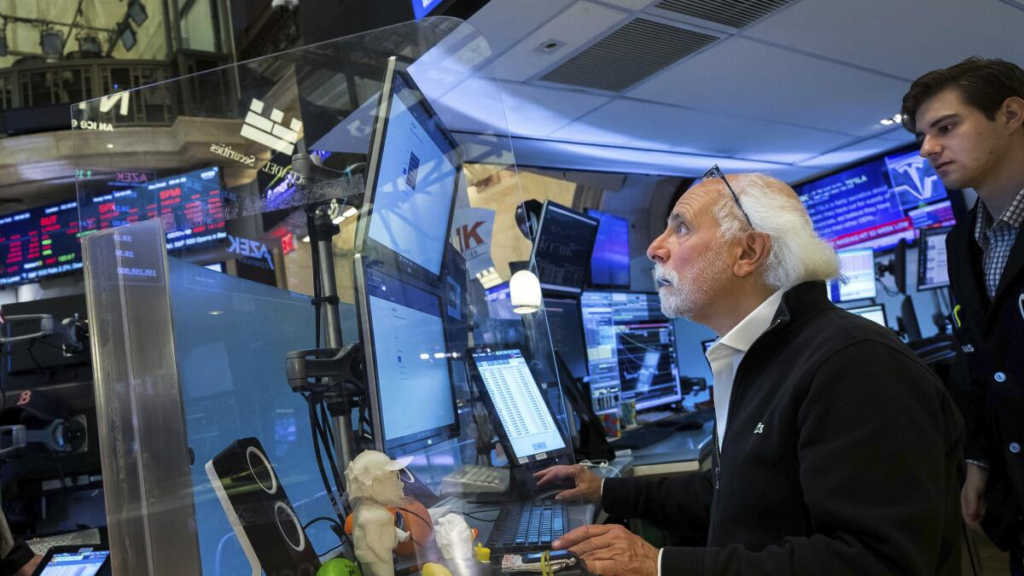
The New York Stock Exchange experienced a technical problem earlier on Monday that disrupted price quotes for a number of equities, but by midday, trading resumed as usual.


