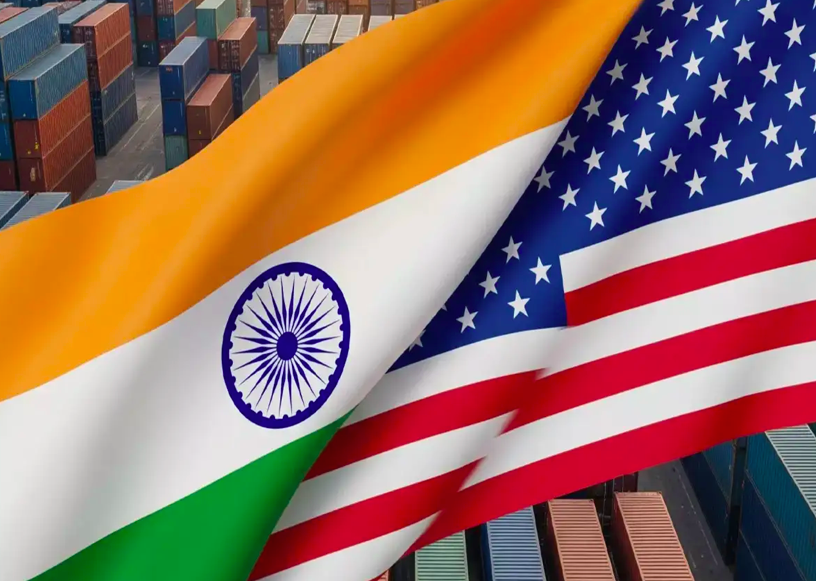
The bilateral trade treaty, finalized after months of high-level negotiations, was confirmed on Monday by the Ministry of Finance. Senior officials from both nations, including India’s Finance Minister Nirmala Sitharaman and US Trade Representative Katherine Tai, participated in the historic signing ceremony, highlighting the shared commitment to “mutually beneficial growth and fairness.”
“This agreement marks a new era for India’s export sector,” Finance Minister Sitharaman stated. “By reducing trade barriers and enhancing regulatory cooperation, Indian businesses—small and large—will have unprecedented access to the American market, which in turn will boost exports and create job opportunities at home.”
Key Provisions and Expected Impact
Tariff Reductions and Market Access
The core of the treaty focuses on progressive reductions in tariffs for key Indian export items, such as textiles, pharmaceuticals, agricultural products, and information technology services. In return, India has pledged clearer intellectual property protections and streamlined import licensing procedures for US firms.
“The past few years saw persistent struggles over tariffs and market access. This treaty smooths out many of those wrinkles,” said Dr. Arvind Sharma, trade policy expert at the Indian Council for Research on International Economic Relations (ICRIER), in an interview with The Economic Times.
According to provisional figures released by the Ministry of Commerce, India’s exports to the US surpassed $80 billion in 2023, representing nearly 20% of the country’s total outbound shipments. Analysts predict that the trade agreement could drive an additional 15-20% growth in exports over the next three years.
Export-Oriented Sectors Poised for Growth
The Ministry emphasized sectors including textiles, generic pharmaceuticals, and IT services as likely beneficiaries. Textile manufacturers in Surat, for example, have long been citing high tariffs and regulatory constraints as key challenges. The removal of these barriers is set to strengthen India’s standing as a global textiles hub.
“India’s textile sector employs millions. Easing access to American consumers will not only drive export numbers but also secure livelihoods,” said Rajesh Mehta, president of the Apparel Export Promotion Council.
Boost to Employment and Investments
Job Creation and MSME Support
Officials underscored the expected boost to direct and indirect employment, with a focus on supporting micro, small, and medium enterprises (MSMEs). The Ministry estimates that as Indian exports rise, MSMEs—often hindered by onerous paperwork and uncertainty over trade policies—will see expanded opportunities.
“MSMEs are the backbone of our economy. With predictable, stable access to new markets, these businesses can scale up and become global players,” added Minister Sitharaman in her address.
Foreign Investment Inflows
The treaty is also designed to encourage inbound investment by US companies, with provisions for easier regulatory approvals, dispute resolution, and transparent taxation. The Confederation of Indian Industry (CII) expects a “noticeable uptick” in Foreign Direct Investment (FDI) from the US in the coming quarters, particularly in manufacturing and technology sectors.
Addressing Controversies and Concerns
Critics Call for Safeguards
Not all stakeholders have welcomed the treaty unconditionally. Some labor unions and farmer groups have called for “adequate safeguards” to protect domestic industries from being adversely affected by a surge in US imports, posing competition to local producers.
“The government must ensure that trade liberalization does not come at the cost of vulnerable sectors,” said Ramesh Tiwari, spokesperson for the All India Trade Union Congress.
US Perspective and Reciprocity
From the American side, officials celebrated Indian commitments to intellectual property rights, data protection, and transparent business practices. Ambassador Katherine Tai emphasized the “centrality of fair rules and mutual growth” in the new trade relationship, signaling a balanced framework designed to benefit both economies.
Next Steps: Implementation and Oversight
With the signing complete, both nations will embark on a phased rollout of treaty provisions starting July 2024. Joint commissions are expected to monitor progress, resolve disputes, and assess sectoral impacts. The Ministry of Finance reiterated its commitment to “ongoing consultations with industry stakeholders” to address challenges as they arise during implementation.