In a major development with diplomatic and humanitarian consequences, the Indian government has changed its previous directive on the departure of Pakistani nationals. The Ministry of Home Affairs (MHA) has stated that Pakistanis living in India will now be allowed to go back to their country through the Attari-Wagah border “until further orders,” going back on its previous decision to shut the border crossing on April 30.
The new order is a relief to scores of Pakistani nationals, including SAARC, medical, and short-term visa holders, who were rushing to leave the country by the previous deadlines. In the last six days since the original order, as many as 786 Pakistanis — 55 of them being diplomats and support staff — have already returned to Pakistan via the Attari-Wagah border. At the same time, 1,465 Indians have also returned to their country from Pakistan.
Diplomatic Fallout Following Pahalgam Attack
This policy shift of sudden nature has its roots in the intense ramping up of tensions over the Pahalgam terror attack, a ghastly episode where 25 Indian tourists and one local Kashmiri civilian were brutally killed in cold blood. Indian intelligence agencies had blamed the attack on Pakistan-based terror outfits, rekindling traditional animosities between the two countries.
In retaliation, the Indian government acted quickly. The first order, issued this month, ordered all Pakistani nationals holding short-term and SAARC visas to depart by April 27, while medical visa holders were allowed until April 29. Union Home Minister Amit Shah also contacted the chief ministers of all Indian states, instructing them to ensure that no Pakistani stayed in the country after the deadlines announced.
The firm stand was that of many viewed as a security measure — and a message. The Centre underscored its firm commitment to national security and zero tolerance for cross-border terrorism, while adhering to diplomatic norms that saw Pakistani nationals permitted to leave through official crossings.
Revised Order: A Balancing Act
But the mass flight, logistical difficulties, and humanitarian issues led to a rethink. On April 30, the Ministry released an amended directive, providing an open-ended extension for the departure of Pakistani nationals, subject to further orders.
“The order has been rescinded and, in partial change, it is now directed that Pakistani nationals could be permitted to leave India to enter Pakistan from the Integrated Check Post at Attari until further orders, with due clearance,” the revised statement read.
This decision underscores New Delhi’s attempt to strike a delicate balance — enforcing security measures without compromising on humanitarian obligations or international image. With hundreds still waiting to leave, the extension has brought temporary relief to those stranded by the earlier cutoff.
Implications for Bilateral Relations
Whereas India’s action is largely bureaucratic, the larger diplomatic implications must be taken into account. Making the change in the exit timeline — as opposed to imposing a hard cut-off — indicates New Delhi is conscious of international perception and the resulting diplomatic fallout.
Attari-Wagah border crossing continues to be an emblematic and strategic site of engagement between the two nuclear-capable neighbors. It not just enables commerce and movement but also serves as a pressure valve during periods of tension. By having this corridor open, India has an avenue of regulated exchange and mobility, even as relations remain tense.
Humanitarian Prism in a Hostile Environment
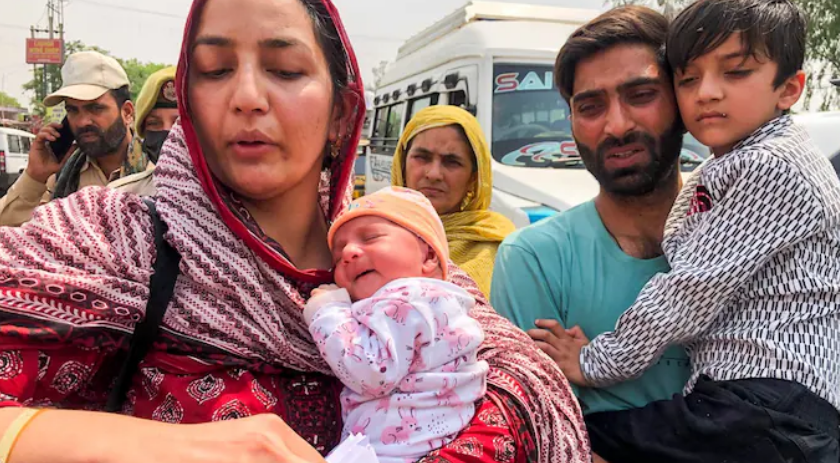
For those who have been caught up in the crossfire of geo-political rivalry, the extension is not a bureaucratic adjustment — it’s a lifeline. Amongst Pakistani nationals present in India at present are patients on critical care, senior visitors, and individuals present here on cultural or religious exchange.
Most of them were left in limbo after the initial deadline was announced. Pakistani diplomatic personnel also had to deal with coordinating departures within a short timeframe. With the border now staying open indefinitely, these people can arrange their return with greater certainty and less urgency.
In addition, this policy can also avoid unintentional overstays that might have resulted in legal issues for those who cannot leave in time because of transportation or health-related obstacles.
Looking Ahead
The future of Indian-Pakistani cross-border cooperation and travel hangs in the air. The government of India did not issue a fresh timeline but rather opted to watch the situation on a rolling basis. Because India-Pakistan relations are notoriously volatile, particularly following incidents of terrorism, future guidelines will inevitably be subject to events in Kashmir and along the Line of Control.
Security agencies are to be on their toes, with all exits through Attari being subjected to “due clearance.” This is to ensure that although the policy has been relaxed for pragmatic grounds, security measures will still be strictly observed.
For the time being, the Ministry’s revised posture provides a temporary respite to Pakistani citizens while upholding India’s adherence to national security and human rights. As always in South Asia, everything is fluid — and intricately linked to wider diplomatic, security, and humanitarian imperatives.