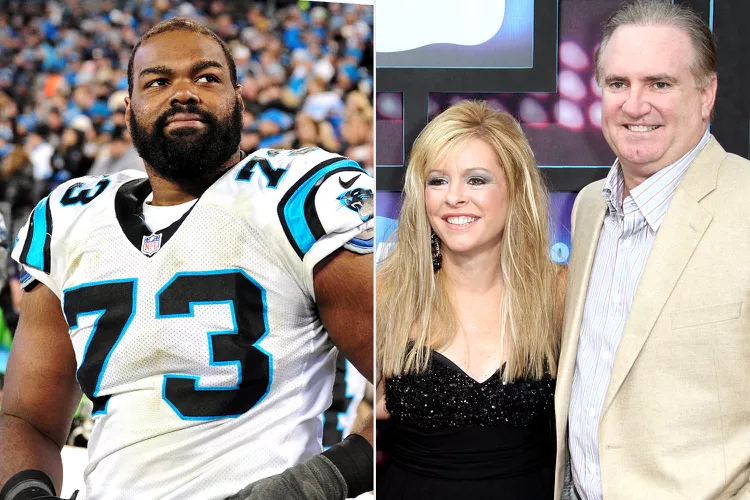
In a recent development surrounding the legal battle between Michael Oher and Sean and Leigh-Anne Tuohy, the former NFL star has clarified that his lawsuit against the Tuohy family is not motivated by financial gain. Oher, who gained fame through the story depicted in the film The Blind Side, has asserted that his legal action is about seeking justice and addressing grievances beyond monetary compensation.
The Lawsuit Background
Michael Oher, whose life story was popularized by the 2009 film The Blind Side, has filed a lawsuit against Sean and Leigh-Anne Tuohy, the couple who took him in during his high school years. Oher’s legal claim alleges that the Tuohys deceived him regarding the details of a conservatorship they established, which he contends was misleading and did not align with what was portrayed to him at the time.
The lawsuit has drawn significant media attention, particularly because of the public’s familiarity with Oher’s story through the film, which depicted a heartwarming account of his journey from a troubled background to NFL success with the support of the Tuohy family.

Oher’s Clarification
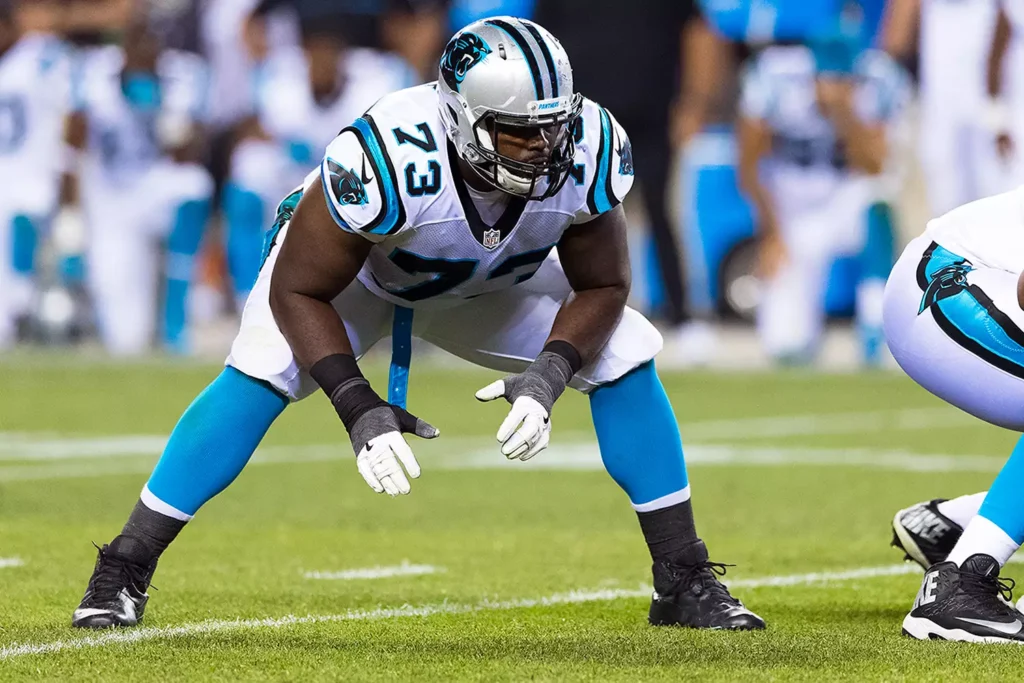
Michael Oher has addressed the lawsuit publicly, emphasizing that his intentions are not driven by financial motives. In recent statements, Oher clarified, “I’ve got millions of dollars. This isn’t about money. This is about what’s right and what’s true. It’s about correcting the record and seeking the justice I believe I deserve.”
Oher’s comments highlight his focus on rectifying what he views as inaccuracies and injustices related to the conservatorship arrangement and the portrayal of his relationship with the Tuohys. His statement underscores that, despite his financial success, the core of his legal action is rooted in principles of fairness and transparency.
Public Reaction and Implications
The lawsuit has sparked diverse reactions from the public and media. Some supporters have rallied behind Oher, viewing his legal action as a necessary step in addressing perceived wrongs and advocating for personal integrity. Others have expressed surprise and concern, given the positive portrayal of the Tuohys in the film and their reputation as benefactors in Oher’s life story.
The legal dispute has also led to broader discussions about the accuracy of narratives depicted in biographical films and the responsibilities of those involved in such stories. The contrast between the film’s portrayal and Oher’s current allegations has prompted a reevaluation of how personal stories are represented and understood by the public.
Looking Forward
As the lawsuit progresses, both Michael Oher and the Tuohy family face the challenge of addressing these issues in a legal and public arena. For Oher, the focus remains on achieving a resolution that reflects his truth and addresses his concerns regarding the conservatorship and the story shared with the world.
The outcome of the lawsuit will likely have implications not only for Oher and the Tuohys but also for how biographical stories are presented and perceived. As the case develops, continued attention will be paid to the legal arguments, personal testimonies, and the broader context of Oher’s claims.