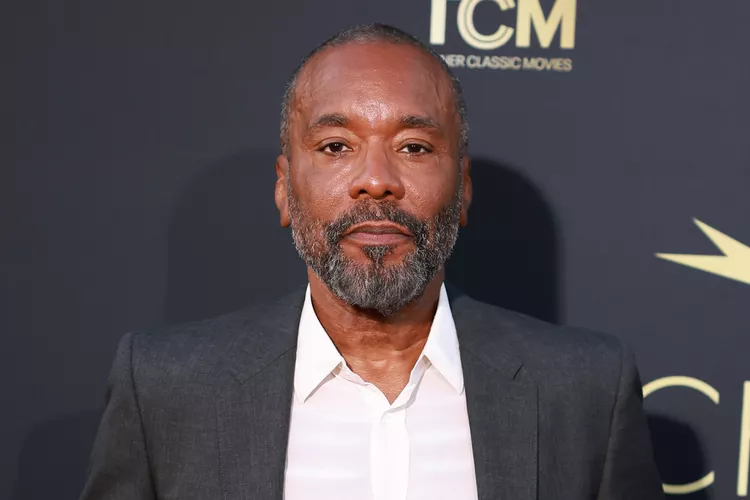
Empire’s highly regarded creator, Lee Daniels, shocked a lot of people when he called the show “absolutely the worst experience” of his career. Daniels’s candid admission sheds light on the difficulties he encountered while working on the series, which ran from 2015 to 2020, despite its enormous success and cultural impact. Let us take a closer look at why Daniels finds his time on Empire especially challenging, even with all of the attention and recognition it brought him.
The Stress of Achievement
Since its 2015 premiere, Empire has attracted millions of viewers and grown to become one of the most popular television series. Set in the glamorous yet cutthroat world of the music industry, the show followed the Lyon family, helmed by Terrence Howard’s character Lucious Lyon, as they battled for control of their company, Empire Entertainment. The show also featured compelling performances from Taraji P. Henson as Cookie Lyon and quickly became a cultural touchstone for its portrayal of family dynamics, power struggles, and race.
Empire’s popularity made Daniels well-known, but it also put a great deal of pressure on him to continue pulling in big audiences and living up to the expectations of his followers. Daniels has said in interviews that he had to give up things in order for Empire to succeed. The pressure to continue producing new material, develop the story, and maintain the show is appeal proved to be too much to bear.
The challenges of creativity and production
Daniels found the unyielding production schedule to be a significant source of frustration. In order to meet deadlines, television creators frequently put in long hours of work. For a show like Empire, with its high-profile cast, complex storylines, and large ensemble, managing the production was particularly intense. Daniels, who came from a background in film where he had more creative control, found the rigid structure of television overwhelming.
He has mentioned in interviews that the sheer volume of episodes required for network television — compared to the shorter, more flexible seasons typical of cable or streaming shows — was draining. This made it difficult to maintain the level of quality and storytelling that Daniels aspired to, contributing to his negative experience.
The Smollett Jussie Scandal
The Jussie Smollett controversy was arguably one of the most prominent and widely discussed problems that hindered Empire. Smollett, who played Jamal Lyon, was a central character on the show and a fan favorite. However, in early 2019, Smollett was involved in a high-profile legal case after allegedly staging a hate crime against himself in Chicago. The incident led to widespread media coverage, legal battles, and internal conflict within the Empire team.
Daniels has freely acknowledged that both personally and professionally, the Smollett situation had a negative impact on him. Being in the middle of a media frenzy as the show is creator, he had to make tough choices regarding Smollett’s portrayal on the program. Even though Smollett was eventually cut from the last few episodes of Season 5, the strain on the cast and crew and the harm done to the show is reputation were evident.
Much of Empire’s good work in terms of representation and storytelling was also eclipsed by the controversy surrounding Smollett. This was the moment, in Daniels’ opinion, when the experience of working on the show started to go south.
Handling Politics on Network Television
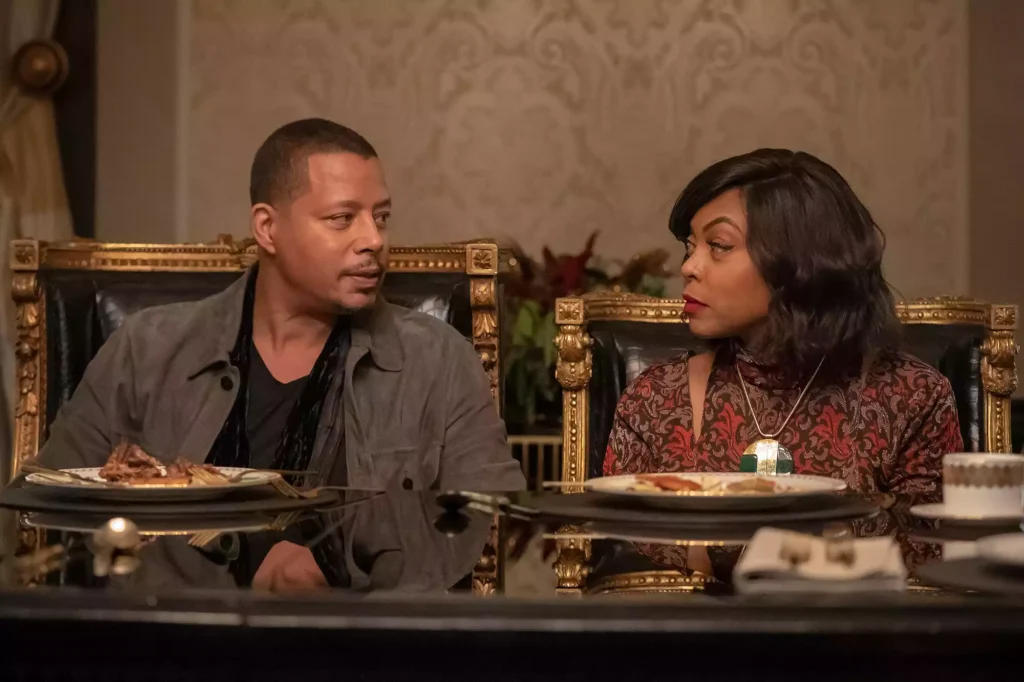
Lee Daniels has also been vocal about the difficulties of navigating network television politics, particularly as a Black creator. Despite the success of Empire, Daniels has expressed frustration with the lack of creative freedom he experienced at times, noting how network executives would often have input on storylines, casting decisions, and overall direction of the show.
He has highlighted how the industry’s pressure to focus on ratings and profitability often clashed with his creative vision. As a filmmaker known for his bold storytelling in films like Precious and The Butler, Daniels found the compromises required in network television challenging. Balancing the demands of the network with his desire to push boundaries creatively was a constant struggle, one that ultimately left him feeling disillusioned with the process.
The Cost in Emotions
Although Empire helped Daniels achieve unprecedented success and recognition, managing the show took a heavy emotional toll. Daniels has discussed in interviews the personal sacrifices he made while the show was running, such as spending time away from his family and the emotional strain of leading a popular show.
Daniels, who has been transparent about his battles with anxiety and other personal issues, occasionally found Empire’s pace and intensity to be too much. He was under a lot of stress because he had to constantly stay on top of things, keep the audience interested, and keep the show relevant in the culture.
Considering the Empire’s Legacy
Despite his negative experience, Daniels has acknowledged the impact that Empire had on television and the culture at large. The show broke barriers in its portrayal of Black family life, the music industry, and LGBTQ+ representation. It also launched the careers of several of its cast members and cemented Daniels’ place as one of the most influential creators in Hollywood.
But his analysis of the event serves as a reminder of the difficulties and complexities of working in a field where achievement frequently necessitates making sacrifices in one’s personal life. Although Empire’s revolutionary accomplishments will live on forever, Lee Daniels still views it as a bittersweet period in his career.
Daniels’ acknowledgement that making Empire was “absolutely the worst experience” ultimately exposes the challenges that are frequently concealed when creating a popular program. Behind the glitter, success, and glitz, there is a story of creative challenges, self-sacrifices, and immense pressure.