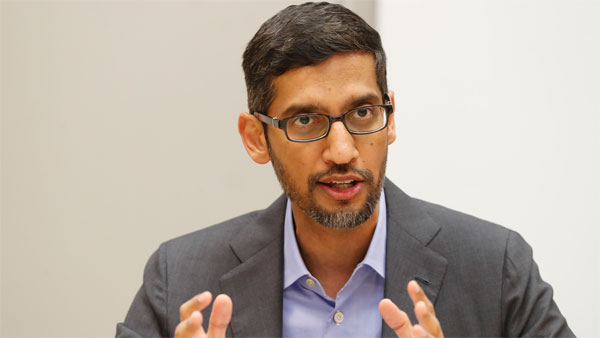
Sundar Pichai, CEO of Google and Alphabet, recently commended Indian Prime Minister Narendra Modi’s forward-thinking approach to technology, particularly his vision for artificial intelligence (AI) in India. Pichai expressed admiration for Modi’s clear vision of how AI can be harnessed to uplift millions in the country, emphasizing the pivotal role that technology, especially AI, will play in India’s future development.
During various interactions between the two, Pichai has highlighted Modi’s deep understanding of the potential impact of AI on different sectors of the economy, including healthcare, agriculture, and education. Pichai noted that the Prime Minister not only grasps the transformative power of AI but is also keen on ensuring that India takes a leading role in this technological revolution.
A Strategic Push for AI in India
India is undergoing a digital transformation, and AI is at the heart of the government’s tech agenda. Pichai’s remarks come at a time when India is increasingly focusing on becoming a global hub for AI innovation. He praised Modi for recognizing the potential of AI to drive economic growth and improve the quality of life for millions of Indians. Pichai’s endorsement reflects the growing collaboration between Google and India, as well as the tech giant’s expanding footprint in the country.
PM Modi’s “clear vision” for AI involves not just using it for economic growth but also for social and developmental impact. According to Pichai, Modi wants Google to continue expanding its efforts to help Indians benefit from the advancements in AI and other technologies. This desire aligns with the Indian government’s efforts to promote digital inclusion and improve public service delivery through AI.
Google’s Commitment to India
Under Pichai’s leadership, Google has been making significant strides in India, with a focus on improving access to digital technology, skilling initiatives, and fostering innovation. Google’s commitment to India is exemplified through its various initiatives like “Google for India,” which has seen investments in areas such as internet access, digital payments, and educational resources for millions of Indians.
One of the key areas of focus for Google is AI-driven solutions that address the unique challenges India faces. For instance, Pichai spoke about how AI can be used to predict and address challenges in agriculture, a vital sector in India’s economy. He also mentioned the potential for AI to enhance healthcare delivery, making medical services more accessible and efficient, particularly in rural areas.

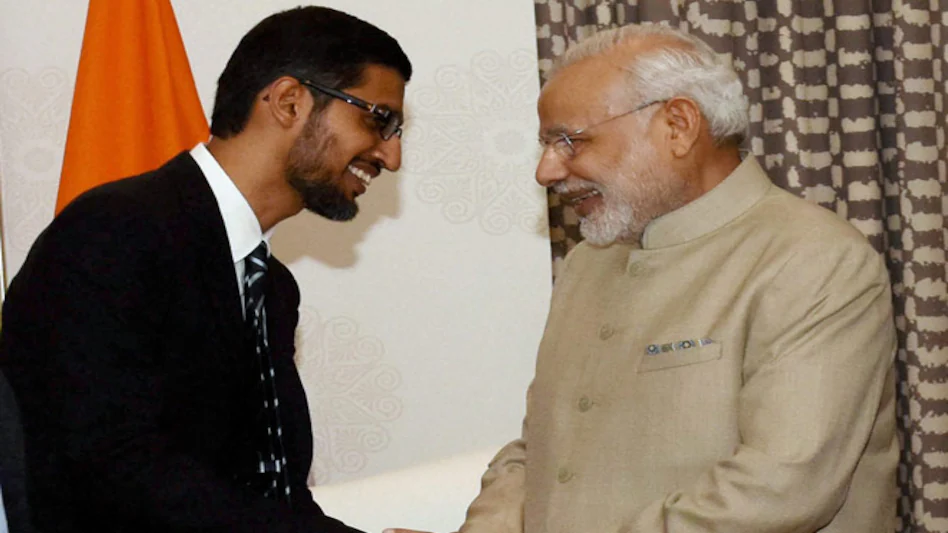
Google’s contributions to India also extend to skilling programs aimed at empowering the youth with digital and AI-related skills. These initiatives are part of the company’s broader commitment to ensure that more Indians are ready to contribute to the AI-driven global economy. Pichai emphasized that Google is working closely with the Indian government to align its efforts with the country’s national priorities.
Expanding Collaboration with India
The strong relationship between Google and India is set to grow even further. Pichai noted that Prime Minister Modi’s vision for AI aligns well with Google’s mission to make technology universally accessible and beneficial. As part of this collaboration, Pichai hinted that Google would be ramping up its investments and projects in India, particularly those focused on leveraging AI for societal benefits.
In his conversation with PM Modi, Pichai mentioned that Modi is particularly interested in how AI can benefit Indian farmers, improve healthcare infrastructure, and expand digital education opportunities. Modi’s ambition to ensure that AI reaches the grassroots level is something that resonates deeply with Google’s philosophy of using technology to solve real-world problems.
AI for Social Good
A major theme of Pichai’s praise for PM Modi is the focus on using AI for social good. AI has the potential to solve some of India’s most pressing challenges, from predicting crop yields to improving the efficiency of public health systems. Pichai pointed out that the Indian government’s push for digitalization has created a unique environment where AI can thrive and be applied to sectors that directly impact the lives of ordinary citizens.
In agriculture, for example, AI tools can provide farmers with real-time insights about weather patterns, soil health, and crop management, helping them make more informed decisions. In healthcare, AI has the potential to enhance early diagnosis and treatment plans, particularly in remote areas that lack access to specialized medical care. The government’s focus on expanding digital infrastructure, such as broadband connectivity in rural areas, further amplifies the potential impact of AI.
Future of AI in India
Looking ahead, Pichai sees a bright future for AI in India, driven by the government’s commitment to digital transformation and innovation. He acknowledged that while there are challenges, particularly around issues like data privacy and the ethical use of AI, India is well-positioned to become a global leader in AI.
Pichai’s recognition of PM Modi’s vision underscores the growing importance of AI in shaping India’s future. With Google’s ongoing investments and projects aimed at empowering Indian citizens, the future of AI in India looks promising. As India continues to embrace AI and other emerging technologies, the partnership between the Indian government and global tech leaders like Google will be crucial in driving innovation and creating opportunities for millions of Indians.
Sundar Pichai’s praise for PM Modi reflects the strong alignment between the Indian government’s AI ambitions and Google’s mission to use technology for positive impact. With both sides committed to harnessing the power of AI, India is poised to make significant strides in the digital and technological landscape, with Google playing a central role in this transformative journey.