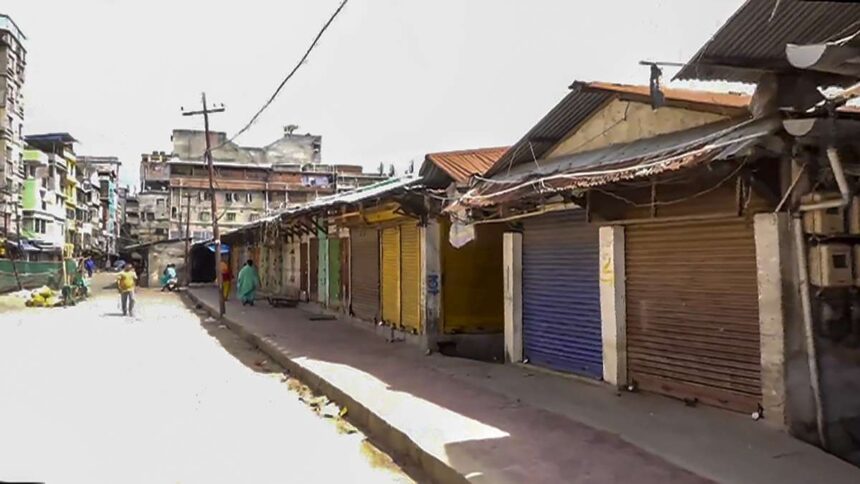
A statewide shutdown called by the Kuki community in Manipur has significantly impacted normal life in the districts of Churachandpur and Kangpokpi. The shutdown, which was called in response to ongoing ethnic tensions and demands for justice, brought commercial activities and public transportation to a near halt in these areas.
Background of the Shutdown
The Kuki community, which has been at odds with state authorities over various issues including land rights and ethnic identity, initiated the shutdown to protest against what they describe as government inaction in addressing their grievances. Tensions in Manipur have escalated over the last few months, with the Kukis alleging discrimination and marginalization by the state administration.
The call for a bandh (shutdown) was primarily observed in districts where the Kuki population forms a significant portion of the demographic, notably Churachandpur and Kangpokpi, two areas already grappling with the fallout of recent conflicts.
Impact on Daily Life
The shutdown resulted in the closure of shops, businesses, schools, and public institutions across these districts. Roads that are usually bustling with activity were eerily quiet, as public transportation services were suspended and private vehicles were minimal on the roads.
In Churachandpur, one of the worst-affected districts, markets and other essential services were completely shut down. According to local reports, residents stayed indoors, and security forces were deployed in large numbers to prevent any untoward incidents.
Similarly, in Kangpokpi, another district with a significant Kuki population, the shutdown affected all forms of commercial and social activities. Protesters blocked key highways, hampering the movement of vehicles and disrupting the supply chain to the affected areas.
The shutdown also led to significant disruptions in communication as mobile networks faced slowdowns due to the surge in online traffic, with many residents relying on social media for updates and information.
Security Measures and Tensions

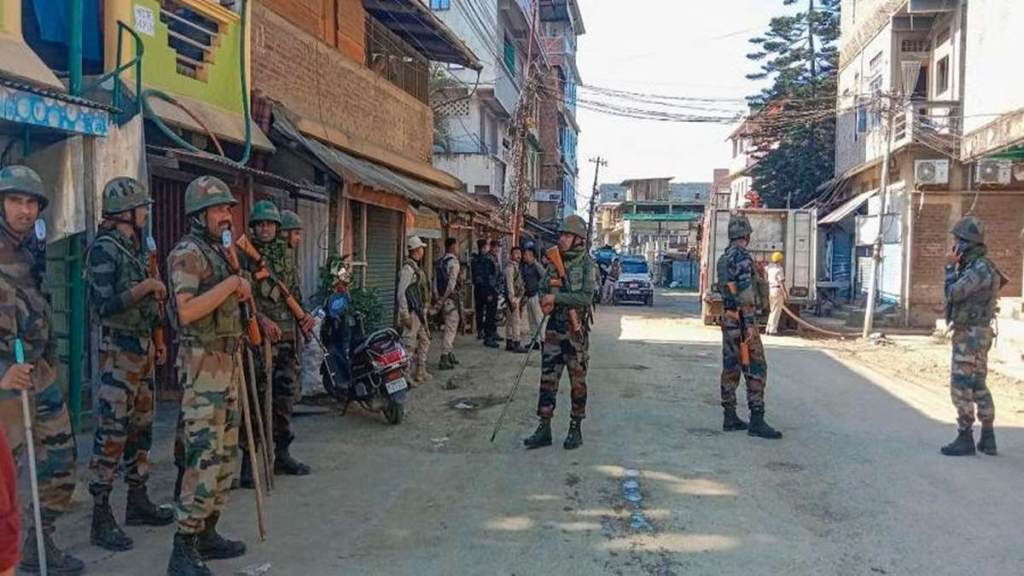
The state government deployed additional paramilitary forces and local police personnel in the sensitive areas to maintain law and order. There were reports of minor clashes between protestors and security forces, though no major incidents of violence were reported at the time.
Authorities have urged the protesting groups to engage in dialogue to resolve their concerns, emphasizing the need for peace and stability in the region. However, the Kuki community leaders insist that the shutdown will continue until their demands are met, including justice for alleged human rights violations and protection of their land and cultural identity.
Reactions and Next Steps
The shutdown has garnered widespread attention, with civil society groups and local political parties weighing in on the issue. While some groups support the Kuki community’s demands, others have called for restraint and dialogue, urging an end to the shutdown to prevent further disruptions in public life.
Manipur, a state with a history of ethnic conflicts, has seen tensions rise between various indigenous groups. The ongoing unrest highlights the deep-rooted issues surrounding ethnic identity, land ownership, and political representation that have plagued the state for decades.
For now, the shutdown continues to affect life in Churachandpur and Kangpokpi districts as residents wait for a resolution to the crisis. The situation remains fluid, with the potential for further escalation or resolution hinging on upcoming talks between community leaders and the government.