The recent building fire in Kuwait has left a profound impact on the nation, with at least 35 lives tragically lost and 15 others injured in the blaze that broke out in the southern Mangaf district. The incident, reported by the state-run news agency KUNA, has raised concerns about fire safety measures and emergency response protocols in the country.

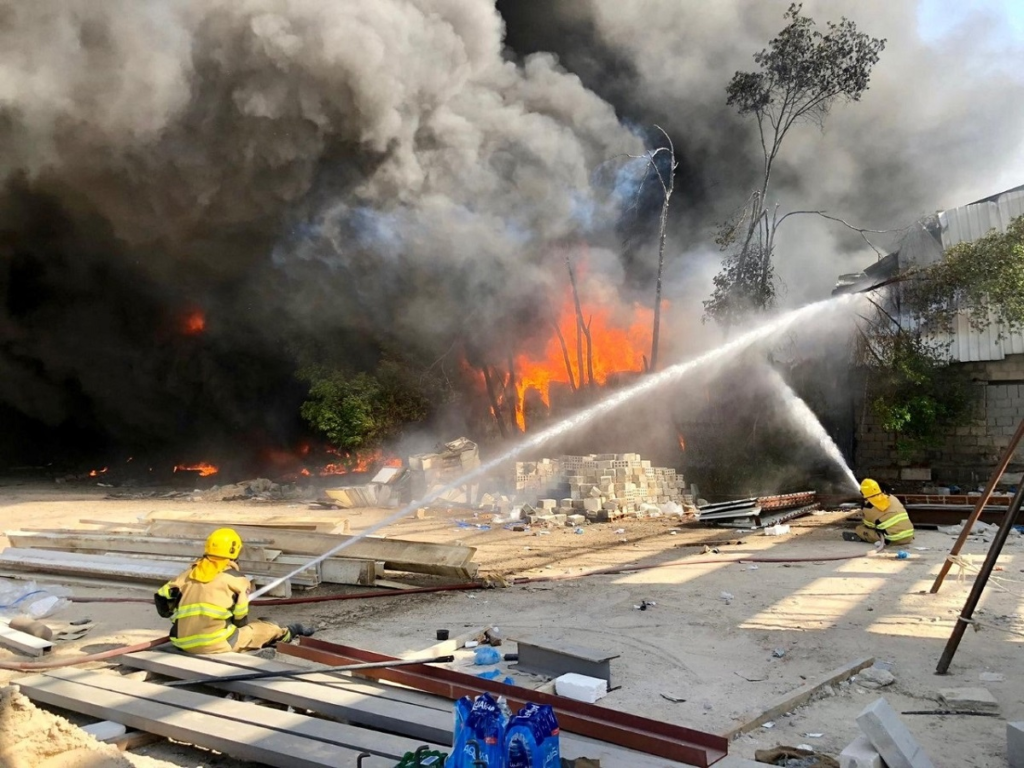
As news of the fire spread, authorities swiftly mobilized to bring the situation under control and provide assistance to those affected. Firefighters and rescue teams worked tirelessly to extinguish the flames and evacuate residents from the burning building. Despite their efforts, the loss of life and injuries serve as a stark reminder of the devastating consequences of such incidents.
In the aftermath of the fire, questions have emerged about the cause of the blaze and whether adequate safety measures were in place to prevent such a tragedy. Maj. Gen. Eid al-Oweihan, head of forensic evidence at the Interior Ministry, stated that authorities are conducting investigations to determine the root cause of the fire. This includes examining the building’s infrastructure, electrical systems, and adherence to safety regulations.
The incident underscores the importance of stringent fire safety standards and regular inspections of residential and commercial properties. Building codes and regulations play a crucial role in ensuring the structural integrity of buildings and mitigating the risk of fire hazards. Authorities must enforce these regulations rigorously to protect the lives and property of residents.
Furthermore, there is a pressing need for enhanced fire prevention and emergency response training for both residents and first responders. Educating the public about fire safety practices, such as installing smoke alarms, maintaining fire extinguishers, and conducting evacuation drills, can help mitigate the impact of fires and save lives.
In addition to preventive measures, improving the capacity and readiness of firefighting and rescue services is essential. This includes investing in modern firefighting equipment, training personnel in advanced firefighting techniques, and establishing efficient communication and coordination mechanisms during emergency situations.

The tragedy in Kuwait serves as a somber reminder of the importance of prioritizing public safety and preparedness in the face of potential disasters. It is incumbent upon authorities, building owners, and residents alike to take proactive steps to minimize the risk of fires and ensure swift and effective responses in the event of an emergency.
Moving forward, there must be a concerted effort to learn from this tragedy and implement measures to prevent similar incidents from occurring in the future. This includes strengthening fire safety regulations, enhancing emergency response capabilities, and fostering a culture of vigilance and preparedness within the community.
Ultimately, the loss of life in the Kuwait building fire is a stark reminder of the fragility of human life and the need for continued efforts to safeguard communities against the devastating impact of fires and other disasters. By working together and prioritizing safety, we can strive to prevent such tragedies and protect the well-being of all citizens.