In a startling and widely condemned move, Ohio Senator J.D. Vance recently made a baseless claim on social media, stating that Haitian immigrants in Ohio were killing and eating pets. The claim, which gained significant attention online, has been categorically denied by local officials, who stress there is no evidence to support such an allegation. This controversy has ignited a broader discussion about the spread of misinformation, its impact on vulnerable communities, and the role of public officials in fostering truth-based dialogue.
Vance, known for his outspoken views on immigration, tweeted that Ohio residents had reported instances of Haitian immigrants killing pets for food. This tweet quickly garnered attention, sparking concern and outrage. However, after investigations by local authorities, no proof of such incidents has been found. Officials were quick to debunk the claim, emphasizing the importance of relying on facts rather than fear-driven rhetoric.
Officials Dismiss Vance’s Allegation
Law enforcement and public officials in Ohio were swift in their response to Vance’s claim. The Ohio Department of Public Safety issued a clear and direct statement, saying, “There are no reports or evidence that substantiate the allegations made regarding Haitian immigrants. These claims are false and misleading.” Officials have urged the public to remain cautious when encountering unverified information, particularly on social media platforms, and to avoid contributing to the spread of baseless rumors.
The prompt denial by officials underscores the growing challenge of combating misinformation, particularly when it comes from influential figures like elected politicians. Ohio officials have repeatedly stressed that false claims not only mislead the public but also have the potential to harm the communities they target.

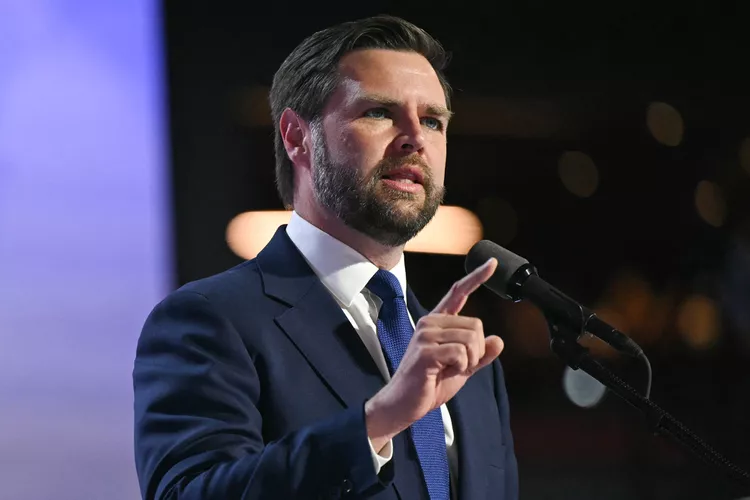
Vance’s Controversial Stance on Immigration
J.D. Vance has a long history of taking controversial positions on immigration, frequently raising alarm about its impact on American society. His latest claim fits within this pattern, though it has drawn sharp criticism for being unfounded and inflammatory. Vance, who rose to prominence with his memoir Hillbilly Elegy, has been an outspoken critic of immigration policies that he believes are too lenient. However, his baseless allegation about Haitian immigrants has taken the debate to a new and dangerous level, critics argue.
Immigrant advocates have condemned Vance’s statements, accusing him of fueling xenophobia and promoting harmful stereotypes about immigrants, particularly those from marginalized backgrounds. His latest tweet has been described as fear-mongering, a tactic that stokes division rather than constructive conversation about immigration reform.
The Harmful Impact of Misinformation
Misinformation, particularly about immigrant communities, can have dangerous consequences. Advocates for Haitian immigrants have expressed concern that Vance’s false claims could inflame existing anti-immigrant sentiment, leading to potential harassment or violence against Haitian communities in Ohio and beyond. They argue that irresponsible statements from public officials create an atmosphere of fear and hostility, making it harder for immigrants to integrate and feel safe.
“Haitian immigrants are hardworking individuals who have come to the U.S. seeking safety and a better life for their families,” said one immigrant rights advocate in Ohio. “Statements like these only deepen mistrust and division in our communities. We need leaders who will bring people together, not tear them apart with baseless accusations.”
The Haitian community in Ohio, while small, has worked hard to establish itself and contribute to the local economy. Many members of the community are refugees who fled violence and political instability in their home country, seeking a better life in the United States. Baseless claims like the one Vance made threaten to undo the progress made by this community and can lead to increased marginalization.
Social Media and the Spread of False Claims
Vance’s use of social media to spread this baseless allegation highlights a broader issue—the ease with which misinformation can spread on platforms like X (formerly Twitter). Despite efforts by social media companies to moderate content and flag false information, misleading claims often go viral before being fact-checked or removed. Vance’s tweet is a prime example of how quickly false information can spread, even when it lacks any basis in reality.
The incident also brings attention to the role of public figures in spreading misinformation. As an elected official, Vance’s words carry weight, and when those words are false, the damage can be far-reaching. Critics argue that Vance has a responsibility to ensure the accuracy of his statements, especially when they involve sensitive topics like immigration and public safety.
Moving Forward: A Call for Accountability
As the fallout from Vance’s false claim continues, officials and community leaders are calling for greater accountability in public discourse. They urge the public to verify information before accepting it as truth and to seek out reliable sources when it comes to important issues like immigration. Ohio authorities have also emphasized the need for empathy and understanding, rather than fear and suspicion, when discussing immigrant communities.
In the wake of this controversy, it is clear that misinformation remains a serious challenge in today’s digital age. Public figures like J.D. Vance must recognize the potential harm caused by spreading unfounded allegations and should work to promote dialogue based on facts and understanding. For the Haitian community in Ohio, the hope is that this incident will not lead to further discrimination or hardship but rather encourage a more informed and compassionate approach to immigration.