Global Stock Panic: How Trump’s 26% India Tariff Sparked the Biggest Crash in Months
Sensex Crashes Over 2,500 Points After Trump Tariff Shock: What You Need to Know
The Market Mayhem: What Just Happened?
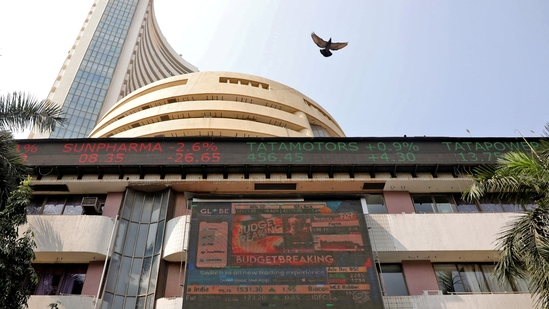
Indian stock markets witnessed one of their worst single-day openings in recent memory on April 7, 2025, as the Sensex plunged over 2,500 points and the Nifty dropped more than 1,000 points. The crash came in reaction to a shockwave of global sell-offs triggered by US President Donald Trump’s aggressive new tariffs aimed at revamping global trade dynamics.
At market open:
-
Sensex was down 3,939 points, touching 71,425.01
-
Nifty dropped 1,160 points, sliding to 21,743.65
-
The Indian Rupee fell by 30 paise, opening at 85.74 against the US dollar
This dramatic drop marked the lowest levels for Indian indices in nearly 10 months, bringing panic to investors across the board.
Why Did the Markets Crash?
Trump’s Tariff Tantrum
US President Donald Trump announced sweeping new tariffs designed to “rebalance global trade.” These include:
-
A 26% import duty on Indian goods
-
A 10% baseline tariff on imports from all countries
-
Specific country-targeted tariffs that go up to 50% for certain nations
Trump defended his move, likening the tariffs to “strong medicine” needed to “fix” the US economy. However, investors globally were not impressed — triggering a sell-off in equities from Tokyo to Mumbai.
Asian Stock Markets Lead the Fall
The market crash wasn’t limited to India:
-
China, Japan, Taiwan, and Hong Kong saw massive losses in early trading
-
US futures indicated further bloodbath when Wall Street opens
-
Panic selling started in Asia and quickly spread to Indian bourses
Analysts noted that India’s market volatility is no longer isolated, with global factors playing a dominant role in shaping investor sentiment.
What the Experts Are Saying
“Not About India, But Global Fears”
Ajay Bagga, market expert, told ANI:
“India is getting hit not because of domestic issues, but due to its integration with global portfolio flows. We’ll need fiscal, monetary, and reform packages to shield ourselves from what may become a long economic winter.”
Nifty’s Alarming Breakdown
Sunil Gurjar, SEBI-registered analyst, explained:
“Nifty has already broken through its first major support level. If this continues, we may see deeper corrections and sustained bearish sentiment.”
What This Means for Investors
Portfolio Pain for Retail Investors
If you’ve been invested in blue-chip stocks, index funds, or equity mutual funds, you’re likely already seeing significant erosion in value.
But experts caution against panic selling, noting that:
-
Corrections are natural in global turmoil
-
Volatility may continue but so will long-term growth opportunities
-
Diversification is key to weathering such shocks
Rupee Weakness Adds to Worries
The Rupee weakening to 85.74 per dollar adds another layer of concern:
-
Imported inflation is likely to rise
-
FMCG and electronics may become costlier
-
Companies reliant on imported raw materials will face margin pressure
What to Expect Next
Will Markets Stabilize?
Several factors will determine if and when the markets recover:
-
Clarity from the US Fed and Indian RBI on liquidity and interest rate moves
-
China’s response to the tariffs
-
Potential countermeasures by Indian government to support exporters
Government’s Next Move?
Economists are now urging the Indian government to respond quickly with:
-
Trade stimulus
-
Reforms to protect MSMEs
-
Strengthening domestic manufacturing to reduce import dependence
Is It Time to Buy the Dip?
Some investors see this as a buying opportunity, especially for quality stocks that have dipped due to broader market panic rather than fundamental weakness.
Sectors to Watch:
-
Defensive sectors like Pharma and FMCG
-
Export-driven companies that may benefit from the weak rupee
-
Gold and silver, which are gaining favor as safe-haven assets
Stay Calm, Stay Informed
While this market crash may feel overwhelming, history has shown that markets recover, and often those who stay disciplined and diversified come out stronger.
Key Lessons:
-
Don’t react emotionally
-
Re-evaluate your asset allocation
-
Stay updated on global cues
-
Speak to a financial advisor if unsure about next steps