


Cybercrime Nightmare: How Indian IT Job Seekers Ended Up as Victims in Myanmar
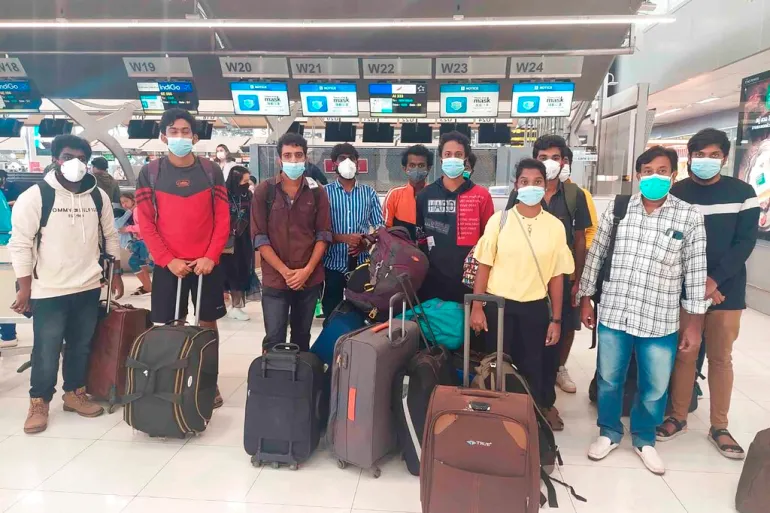
India Rescues 549 Citizens Trapped in Myanmar’s Cyber Scam Centres
A Shocking Cybercrime Scam Exposed
In a major rescue operation, India has successfully brought back 549 of its citizens who were trapped in cyber scam centres along the Myanmar-Thailand border. These individuals, hailing from various states like Andhra Pradesh, Telangana, Maharashtra, Gujarat, Punjab, and Uttar Pradesh, were lured with fake job offers in the IT sector.
Once they arrived in Thailand or Myanmar, they were trafficked to cybercrime centres run by Chinese criminal syndicates in lawless border regions of Myanmar. These regions are notorious for human trafficking and aren’t even controlled by Myanmar’s military junta.
Massive Crackdown Leads to Freedom
A recent crackdown on cyber scam operations along the Myanmar-Thailand border led to the release of hundreds of victims, including Indians and other South and Southeast Asian nationals.
The rescued Indians were first moved from Myanmar’s Myawaddy region to Mae Sot in Thailand, where they were kept in detention centres. Following this, the Indian government arranged special flights to bring them home safely.
How India Executed the Rescue Mission
India used its military aircraft, including a C-17 heavy lift aircraft of the Indian Air Force (IAF), to evacuate its stranded citizens.
. Monday’s Evacuation: 283 Indians brought back
. Tuesday’s Evacuation: 266 Indians repatriated
. Total Rescued: 549 Indians
How Did These Indians Get Trapped?
The victims fell prey to fraudulent job offers promising high-paying positions in the IT sector. Scammers targeted educated young professionals from different states in India.
Here’s how the scam unfolded:
. Victims were offered fake IT jobs in Thailand or Myanmar.
. Once they arrived, they were kidnapped and forced to work in cybercrime centres.
. These centres were run by organized crime networks, mostly Chinese syndicates.
. Victims were forced to scam people online, engaging in financial fraud, hacking, and identity theft.
. If they refused to cooperate, they faced threats, violence, and even torture.
Myanmar’s Border: A Cybercrime Hotspot
The lawless border regions of Myanmar, especially around Myawaddy, have become hubs for cyber scam operations. Criminal groups operate freely due to:
. Lack of strong law enforcement
. Presence of multiple armed groups
. Corruption and weak governance
Cyber scam operations in these areas trap thousands of victims from across India, Bangladesh, Nepal, Malaysia, and the Philippines.
Indian Government’s Strong Response
The Indian government acted swiftly, coordinating with Thailand, Myanmar, and other Southeast Asian authorities to rescue its citizens.
. External Affairs Ministry spokesperson Randhir Jaiswal confirmed the safe return of 266 Indians on Tuesday and 283 on Monday via IAF aircraft.
. India is now working to prevent further cases by spreading awareness about job scams targeting young professionals.
How to Protect Yourself from Job Scams
If you or someone you know is looking for a job abroad, be extra cautious. Here are some tips to stay safe:
. Verify Employers: Always research the company offering you a job.
. Avoid Unverified Agencies: Many fake job recruiters operate on social media.
. Check Work Visas: Never travel abroad without a valid work visa.
. Talk to Authorities: Contact the Indian Embassy or External Affairs Ministry for job verification.
. Trust Your Instincts: If a job sounds too good to be true, it probably is!
The Road Ahead: A Warning for Job Seekers
With the rise in global cybercrime, young job seekers need to be extremely cautious before accepting job offers abroad. The Indian government is taking strict measures to prevent such incidents, but individuals must also remain vigilant.
This rescue operation is a wake-up call for job seekers—always verify job offers, research employers, and stay informed before taking up opportunities abroad.


