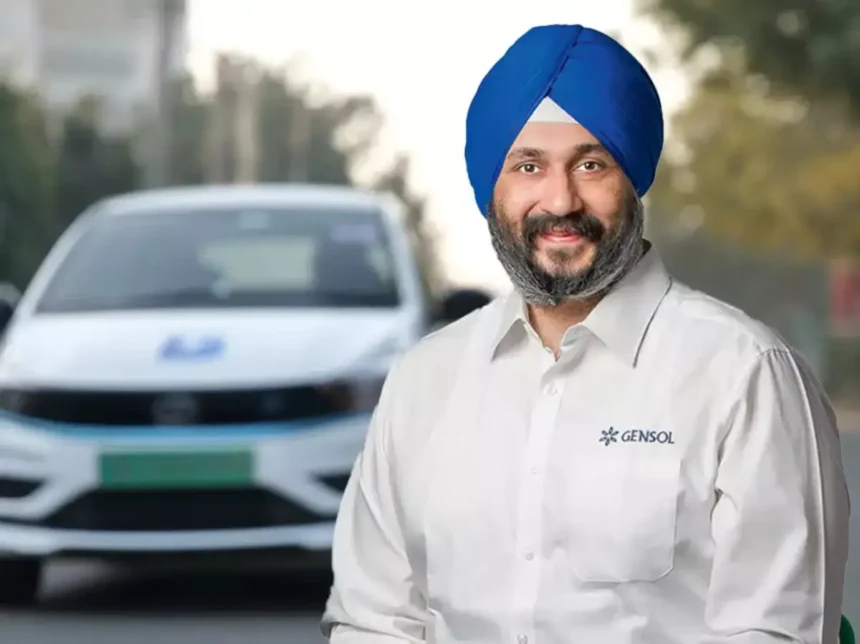
BluSmart Halts Operations Amid Allegations of Loan Fraud and Fund Diversion
BluSmart Faces Shutdown After SEBI’s Allegations Against Gensol Engineering Promoters
What Happened to BluSmart?
BluSmart, India’s largest electric ride-hailing service, is facing a major disruption as it halts its operations in multiple cities. This comes in the wake of a Securities and Exchange Board of India (SEBI) order against the company’s promoters for financial mismanagement and fund diversion. The company, which was co-founded by Anmol Singh Jaggi and Puneet Singh Jaggi, has been forced to suspend its services in Delhi-NCR, Mumbai, and Bengaluru, leaving users stranded and questioning the future of the electric vehicle (EV) ride-hailing space.
Here’s an in-depth look at the events leading to BluSmart’s shutdown and what could come next for the company.
BluSmart’s Ambitious Beginnings: A Snapshot of the Company
BluSmart was once seen as a trailblazer in the Indian electric vehicle industry. As of January 2023, the company boasted a fleet of over 8,500 electric vehicles (EVs) and a network of 5,800 charging stations spread across Delhi-NCR and Bengaluru. With a rapidly growing user base, BluSmart aimed to revolutionize urban transportation with eco-friendly options.
In fact, the company expanded its reach beyond India, launching a premium electric limousine service in the UAE in June 2024. It claimed to be the first and largest zero-emission ride-hailing service in India, with over 30 lakh downloads on its app and more than 1.45 crore rides completed.
However, recent events have left the company’s future in jeopardy, casting a shadow over its ambitious green transport model.
The SEBI Order: Allegations of Loan Fraud and Fund Diversion
The downfall of BluSmart began when the Securities and Exchange Board of India (SEBI) issued an interim order against Gensol Engineering Limited (GEL), a company founded by Anmol and Puneet Singh Jaggi, for manipulating share prices and diverting funds.
In June 2024, SEBI received a complaint claiming that Gensol had used loans meant for buying EVs to fund personal expenses. Between 2021 and 2024, Gensol borrowed a substantial Rs 978 crore from public lenders, including Indian Renewable Energy Development Agency (IREDA) and Power Finance Corporation (PFC). The funds were supposed to be used for purchasing 6,400 EVs to lease to BluSmart. However, only 4,704 vehicles were actually procured, leaving a huge discrepancy of Rs 262.13 crore.
According to SEBI’s investigation, a large portion of this money was routed through related entities and used for personal gain. The regulators revealed that Rs 42.94 crore had been paid to DLF for an apartment in a luxury project, while significant amounts were spent on personal travel, luxury golf equipment, and even paying off credit card bills.
The Jaggi brothers were accused of treating the company like a personal “piggy bank”, undermining the interests of investors and shareholders.
The Fallout: BluSmart’s Operations Suspended
Following SEBI’s order, BluSmart has now been forced to halt its operations in Delhi-NCR, Mumbai, and Bengaluru. The company’s users are currently unable to book rides through the app, leaving many stranded. This disruption has raised serious concerns about the company’s financial stability and its ability to continue operations.
BluSmart’s financial issues were further compounded by internal problems. The company has reportedly delayed salary payments for March, leaving employees in a state of uncertainty. In an internal email, Anmol Singh Jaggi acknowledged cash flow constraints but assured employees that their dues would be cleared by the end of April.
What Is Next for BluSmart and Gensol Engineering
As per SEBI’s interim order, the Jaggi brothers have been banned from accessing the securities market. Additionally, their proposed stock split for Gensol has been halted, and the company has been instructed to appoint a forensic auditor to scrutinize its financial records in detail.
The SEBI order also prohibits the Jaggi brothers from holding any directorial or managerial roles in Gensol Engineering. These measures will likely have a lasting impact on both the company and the brothers’ future business endeavors.
The Bigger Picture: What This Means for the Electric Vehicle Industry
BluSmart’s troubles come at a time when the electric vehicle industry in India is growing rapidly. While the government has been promoting EV adoption through incentives and initiatives, companies like BluSmart have been integral in driving this change in urban transportation. However, this scandal casts a dark shadow over the future of the EV ride-hailing market in India, which could now face scrutiny from investors and consumers alike.
Moreover, fund diversion and mismanagement in companies that are part of India’s green economy could undermine public trust, potentially stalling the growth of eco-friendly transportation options.
A Lesson in Corporate Governance and Financial Transparency
The suspension of BluSmart’s operations serves as a stark reminder of the importance of corporate governance and financial transparency. While the company initially had lofty goals to reshape urban transportation, the financial irregularities exposed by SEBI have led to its current crisis. Investors, employees, and consumers alike will be waiting to see how the situation unfolds and whether BluSmart can regain its footing in the market.
This case highlights the urgent need for stricter regulation in India’s growing electric vehicle sector, particularly concerning the management of funds and the protection of stakeholders’ interests. As for BluSmart, it remains to be seen if the company will recover from this scandal or if it will fade into obscurity, along with the Jaggi brothers’ reputation.