
The Tirupati Temple, located in Andhra Pradesh, India, is one of the most revered pilgrimage sites in the world. While the temple is famed for its rich history and architectural beauty, it’s the prasad (offering) of laddus that truly captures the hearts of devotees. Known for their unique taste and religious significance, these laddus have become an integral part of the temple experience.
What Are Tirupati Laddus?
Tirupati laddus are sweet offerings made from flour, sugar, ghee, and a mix of nuts, known for their rich flavor and melt-in-the-mouth texture. These laddus are offered to the deity, Lord Venkateswara, and are distributed to devotees after they complete their darshan (viewing of the deity). The preparation of these laddus follows traditional recipes that have been passed down through generations.
Cost and Availability
The cost of a Tirupati laddu is relatively modest, typically priced around ₹50 (approximately $0.60). However, this price can vary based on demand and special occasions. Each devotee is allowed to take home a limited number of laddus, usually up to 20 per visit, to ensure that as many pilgrims as possible can receive this cherished offering.
The temple has implemented measures to ensure the quality and safety of the laddus. They are made in a dedicated kitchen, which operates under strict hygiene standards, ensuring that devotees receive only the best.
Significance of Tirupati Laddus
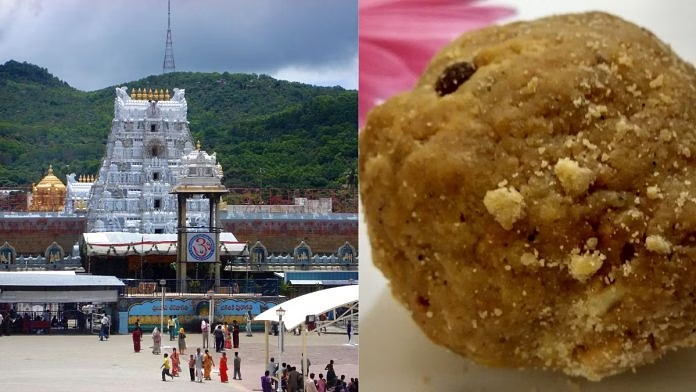
The laddus symbolize the blessings of Lord Venkateswara and are considered a divine gift. Consuming these laddus is believed to bring prosperity and happiness. They are not just a treat but a representation of faith and devotion. The practice of distributing laddus dates back centuries, with historical references pointing to their importance in the temple’s rituals and offerings.
Furthermore, the laddus are known for their distinct taste, which many devotees claim is unparalleled. The experience of receiving and savoring these sweets has become a cherished part of the pilgrimage, making them a significant aspect of the Tirupati temple visit.
Latest Controversy
Recently, the distribution of Tirupati laddus has been embroiled in controversy. Reports surfaced about discrepancies in the number of laddus being offered and the alleged mismanagement of resources. Some devotees have voiced concerns over the fair distribution of laddus, claiming that certain groups were receiving preferential treatment, leading to calls for transparency in the process.
Additionally, there have been discussions about the commercialization of these sacred offerings, with some arguing that the laddus have become a business rather than a spiritual offering. This has raised questions about the temple’s management and its approach to balancing tradition with modern demands.
In response, temple authorities have emphasized their commitment to maintaining the sanctity of the offerings and have promised to address the concerns raised by devotees. They have implemented measures to improve transparency in the distribution process, including better tracking systems to ensure fair access for all pilgrims.
Tirupati laddus are more than just a sweet treat; they are a symbol of faith, devotion, and tradition at one of the world’s most visited temples. While the laddus hold immense cultural and spiritual significance, recent controversies highlight the challenges faced in managing such a revered offering in today’s context. As the temple continues to adapt to the needs of its devotees, the laddus remain a cherished part of the Tirupati experience, embodying the divine blessings of Lord Venkateswara.