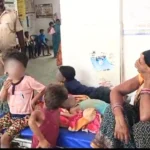
In a concerning incident in Thane, Maharashtra, 38 school students were hospitalized after reportedly falling ill following the consumption of a mid-day meal at their school. The affected students began showing symptoms of food poisoning, including nausea, vomiting, and stomach pain, soon after eating the meal provided by the school as part of the government’s midday meal program.
Immediate Hospitalization
The students, who attend a government school in the Thane district, were immediately taken to a nearby hospital when they started feeling unwell. Authorities acted swiftly, and the children were admitted for treatment and observation. According to the hospital’s medical staff, the students were provided with necessary medical care, and most were reported to be in stable condition. However, a few students were kept under observation due to more severe symptoms.
Initial Investigation
Following the incident, local authorities, including health and education department officials, launched an investigation to determine the cause of the food contamination. Samples of the mid-day meal were collected and sent for testing to identify any harmful substances or bacterial contamination.
While the cause of the students’ illness has not yet been confirmed, officials suspect that poor hygiene during food preparation or storage might have led to food poisoning. Authorities are also investigating the vendor responsible for supplying the meals to the school.
Response from Officials
Thane district administration officials expressed concern over the incident and assured parents that a thorough investigation would be conducted to ensure the safety of children in the future. They stated that strict action would be taken against anyone found responsible for the lapse in food safety.
In response to the incident, the school suspended its mid-day meal program until the investigation is complete. Authorities are also reviewing food safety protocols in other schools in the area to prevent similar occurrences.
Parents’ Concerns and Reactions
Parents of the affected students have expressed their distress and frustration over the incident. Many questioned the quality and safety of the food provided in schools under the mid-day meal scheme, which is meant to ensure that children receive nutritious meals during school hours. Some parents have called for stricter regulations and regular inspections to ensure food quality.

“We send our children to school expecting them to be safe and well-cared for. Incidents like this shake our trust in the system,” said one concerned parent whose child was among those hospitalized.
Mid-Day Meal Scheme and Its Importance
The mid-day meal scheme is a crucial initiative by the Indian government to improve the nutritional status of school-age children. It provides free meals to children in government schools, aiming to combat hunger and malnutrition and boost school attendance. The scheme has been instrumental in improving educational outcomes for millions of children across the country, especially in economically disadvantaged areas.
However, incidents like the one in Thane raise concerns about the safety and quality control measures in place for such large-scale food distribution programs. While the scheme is well-intentioned, maintaining high standards of hygiene and food safety is essential to protect the health and well-being of children.
Call for Stricter Safety Measures
This incident has sparked calls from parents, activists, and educational bodies for stricter monitoring of the mid-day meal program. Many believe that regular inspections, better training for food handlers, and more stringent quality control measures are necessary to prevent future cases of food poisoning.
Educational and health authorities have also been urged to take immediate steps to ensure that the food served in schools is safe and nutritious. Some experts suggest that schools should establish better mechanisms to check the food’s quality before it is served to students, including testing the meals daily or implementing spot checks.
The incident in Thane, where 38 school students fell ill after consuming a mid-day meal, highlights the importance of food safety in school meal programs. While the mid-day meal scheme plays a vital role in supporting children’s nutrition and education, the health and safety of students must remain the top priority.
As authorities continue their investigation, parents, school staff, and local communities are urging for stricter food safety regulations to be implemented, ensuring that such incidents do not occur in the future. For now, the focus remains on ensuring the full recovery of the affected students and addressing the systemic issues that led to this unfortunate incident.