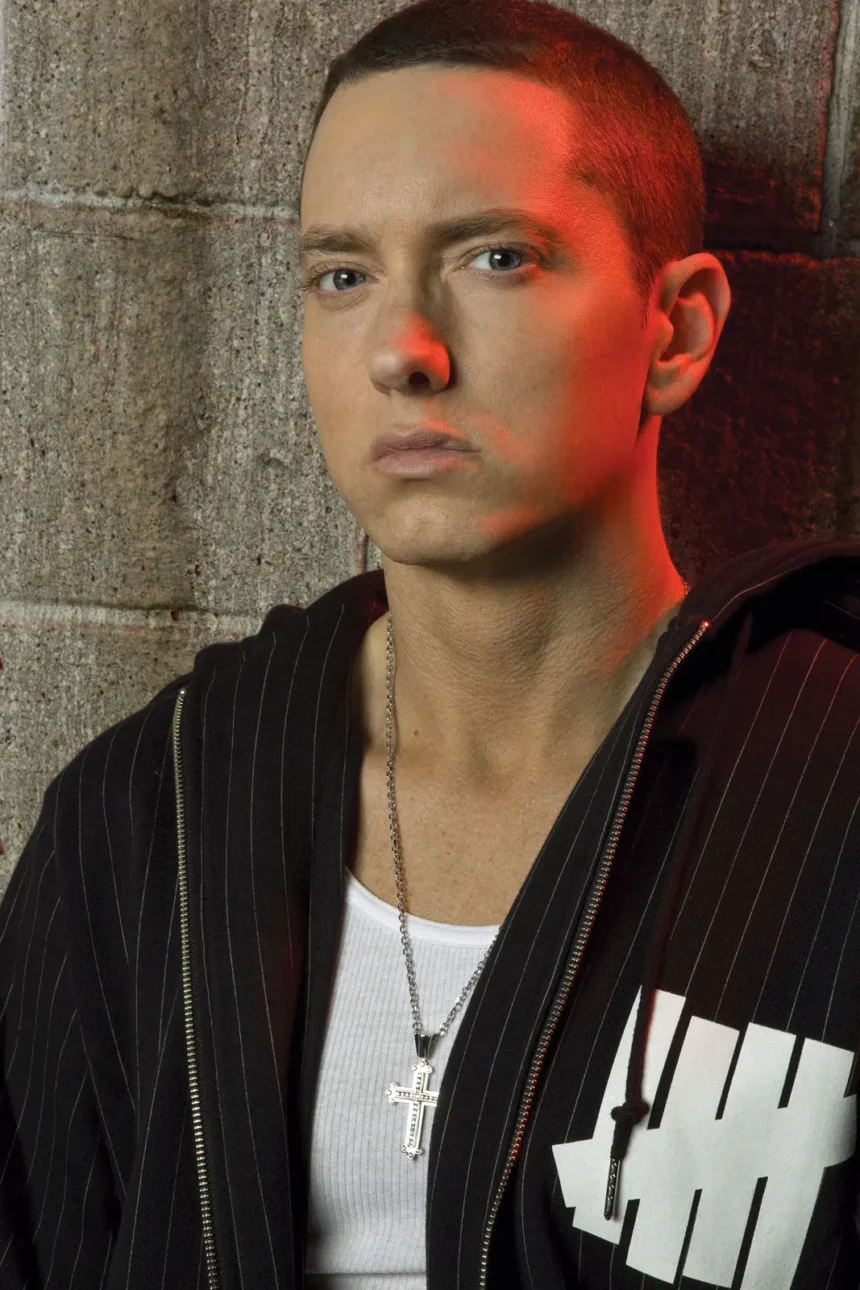
It seems that rapper Eminem’s controversial alter ego, Slim Shady, may finally be quieted, 25 years after making his debut. Eminem’s peroxide-blond hair and everyman blue jeans gave rise to this adversarial attitude, which he described as coming from a “white trash” background. Eminem made a shocking revelation in April that his new album, “The Death of Slim Shady (Coup de Grâce),” will be out this summer. The announcement was hinted at as a spoof murder news story. Shady made a surprise appearance on Friday, saying “guess who’s back” and causing trouble on “Houdini,” the album’s lead single.

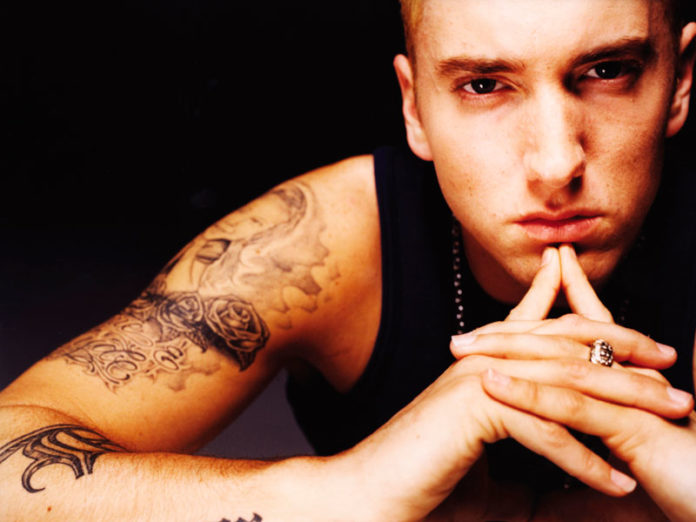
Comedians Pete Davidson and Shane Gillis, along with rap legends Dr. Dre, Snoop Dogg, and 50 Cent, all make brief appearances on the song. Eminem spars with the rap anti-hero he made, offering Slim Shady a fittingly bloody demise. In closing, the rapper said, “I knew it was only a matter of time.” Thus, how are we to interpret his legacy when his doppelgänger stands for the last time?
Raised in the impoverished, predominantly black Detroit districts of Michigan, Eminem was born Marshall Mathers III. During his adolescent years, rap evolved into a means of escape from a childhood filled with bullying and tense interactions with his parents. His effort at breaking into the music industry was “crushed” when Vanilla Ice’s pop-party hit “Ice Ice Baby” made him the poster child for white solo rap in 1990. In stark contrast to Mathers’s personal experience and goals, Vanilla Ice’s success was seen as a sellout and a product of manufactured success.
Being a genuine product of the ghetto streets, Mathers was different and in a unique position to negotiate the “cultural debt” that white rap artists were facing. His incredible flow was developed after years of participating in rap battles. Hip-hop expert Professor Anthony Kwame Harrison, a sociologist, commended Eminem’s abilities and pointed out that he was the last white pioneer of rap due to his exceptional songwriting and rhyme. Despite these abilities, major companies did not sign his 1996 album “Infinite.”
His early mentors, the Bass Brothers, suggested the idea of “shock-rap,” leading to the birth of Slim Shady. The market didn’t take to Eminem until he adopted a foul-mouthed persona, which caught the attention of mogul Jimmy Iovine and NWA rap royalty Dr. Dre. Dre discovered in Slim Shady an anti-hero whose crossover appeal was cemented with features alongside respected black rappers. Their production partnership bridged some of rap’s racial divides but also spawned contradictions in Slim Shady and Eminem’s legacy that persist to this day.


There have also been unforeseen repercussions from Slim Shady’s portrayal of the irate white man. White nationalist and alt-right movements in the US have appropriated his image, and Eminem is frequently brought up in far-right internet forums. These groups, who consider themselves to be socially powerless, relate to his underdog status.