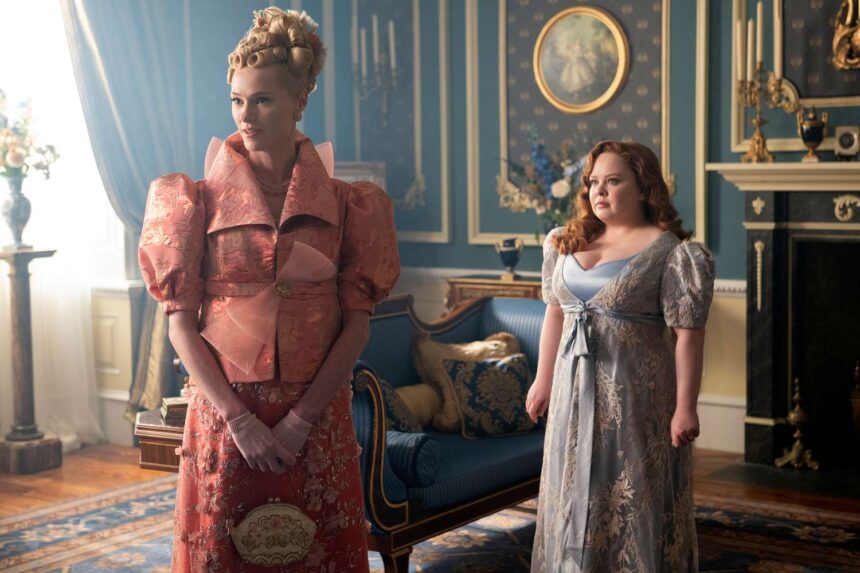
In the tumultuous world of Bridgerton season three, the narrative unfolds with intricate webs of romance, deception, and societal expectations. Episode 5, “Tick Tock,” plunges viewers into the aftermath of Penelope Featherington and Colin Bridgerton’s engagement announcement. Penelope, burdened by her dual identity as both the beloved gossip columnist Lady Whistledown and a woman navigating Regency-era social norms, faces mounting pressures and personal dilemmas. Her friendship with Eloise Bridgerton, once unshakeable, now strains under the weight of Penelope’s secrets. Eloise, driven by a sense of justice and loyalty, confronts Penelope about her hidden identity, setting the stage for a pivotal conflict that tests their bond.
Meanwhile, the Bridgerton family dynamic expands with Anthony and Kate Sharma’s return from their second honeymoon, heralding news of their impending parenthood. Anthony’s newfound joy contrasts sharply with the turmoil within the Featherington household, where Cressida Cowper grapples with her parents’ plans to marry her off to an older suitor. This subplot underscores the limited agency women had in making their own choices during this era, juxtaposed with Anthony’s protective yet controlling tendencies as head of the Bridgerton family.
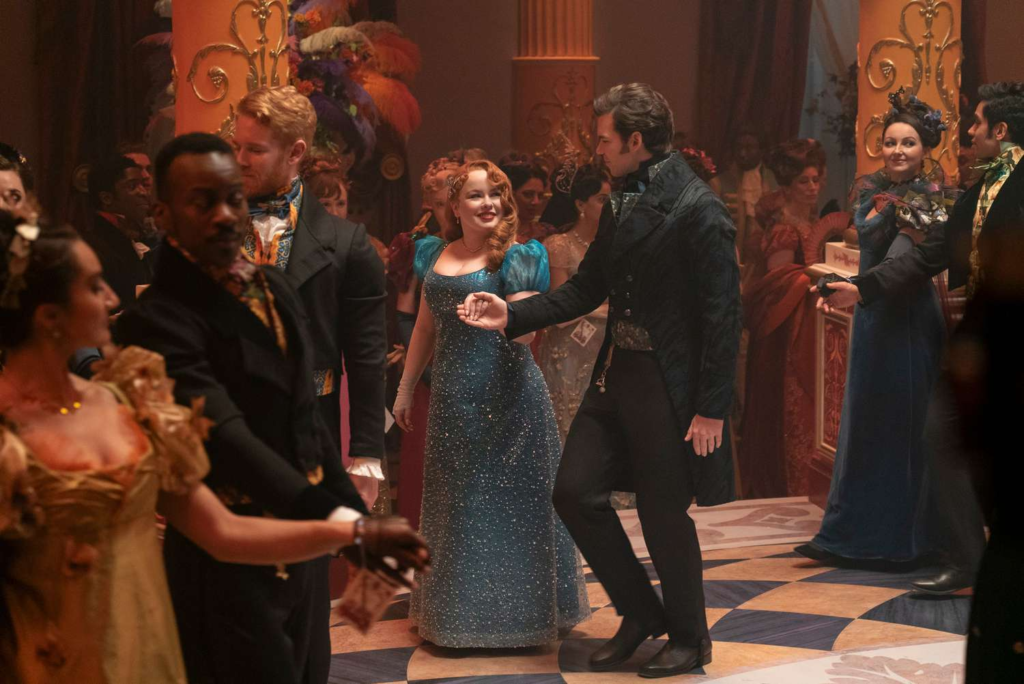
The episode’s central event, Penelope and Colin’s engagement party, becomes a crucible of emotions and revelations. Benedict and Anthony Bridgerton, ever the protective siblings, engage in playful banter with Colin while subtly probing his readiness for marriage. Anthony, unexpectedly insightful, advises Colin on the importance of sincerity in relationships, a moment that highlights Colin’s growth and commitment. Penelope’s struggle to maintain her facade as Lady Whistledown amidst Queen Charlotte’s relentless pursuit to unmask her adds a layer of suspense and danger, threatening to unravel her carefully constructed world.

The tension escalates as Eloise issues Penelope an ultimatum: reveal her secret identity to Colin or face the consequences. This pivotal moment illuminates the ethical dilemmas and personal sacrifices inherent in Penelope’s dual life, underscoring the price of her ambition and the lengths she’ll go to protect her secrets. Colin’s reaction to Eloise’s ultimatum further complicates their relationship, revealing deeper insecurities and vulnerabilities that test their bond.
Episode 6, “Romancing Mister Bridgerton,” delves deeper into the aftermath of Penelope’s revelation and the ongoing repercussions for her and those around her. As Penelope grapples with the fallout of Eloise’s ultimatum and Queen Charlotte’s demands, her internal conflict intensifies. The pressures of maintaining Lady Whistledown’s identity while navigating her engagement to Colin highlight the complexities of love and ambition in a society that values propriety and appearances above all else.
Colin’s steadfast support and unwavering commitment to Penelope provide a counterbalance to the external pressures and internal struggles she faces. His determination to marry Penelope despite familial objections underscores his growth as a character and his evolving understanding of love beyond societal expectations. Their relationship becomes a focal point for exploring themes of authenticity, trust, and the sacrifices individuals make for the sake of love and personal fulfillment.

Meanwhile, the broader narrative arc explores the complexities within the Bridgerton family, as Francesca’s sudden engagement adds another layer of intrigue and unpredictability. The contrast between Penelope’s clandestine struggles and Francesca’s more straightforward romantic trajectory underscores the different paths and challenges faced by each character. The series masterfully weaves together personal relationships with broader social commentary, offering a nuanced portrayal of Regency-era London’s hierarchical society and the individuals who navigate its intricacies.
As the season progresses, unresolved tensions and revelations promise to deepen the characters’ journeys and test their resilience. Bridgerton season three continues to captivate viewers with its sumptuous visuals, intricate plotlines, and multidimensional characters. The allure of the series lies in its ability to blend romance, drama, and social commentary into a compelling narrative that resonates with contemporary audiences while maintaining the timeless charm of its historical setting.

In conclusion, Bridgerton season three remains a testament to the power of storytelling, engaging audiences with its rich tapestry of emotions, relationships, and societal challenges. The series stands out in the genre for its compelling characters, intricate plot twists, and vivid depiction of Regency-era London’s aristocratic society. As viewers follow Penelope, Colin, and the Bridgerton family on their respective journeys, they are treated to a captivating exploration of love, ambition, and the enduring quest for identity in a world defined by rigid social norms and shifting alliances.