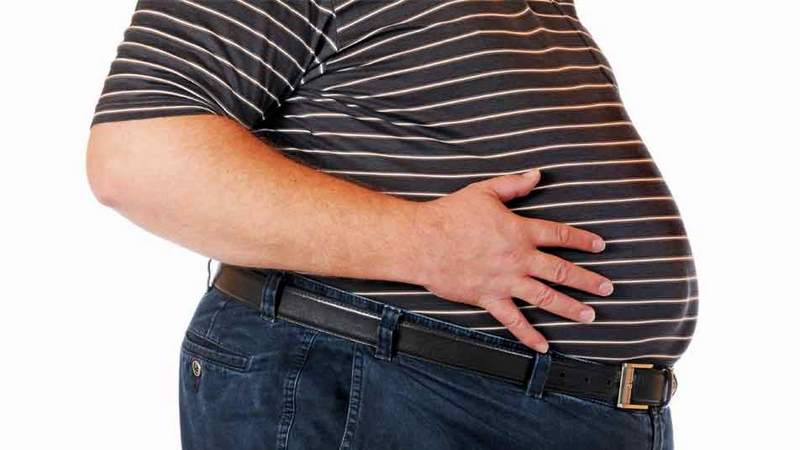
Obesity is a growing health concern worldwide, particularly among men. Obesity is defined by having an excessive amount of body fat. It is not only a cosmetic problem; obesity can cause major health problems, particularly when it raises the pressure in the abdomen. A man’s quality of life can be greatly impacted by a number of diseases that can be brought on by this condition. The following list of five main illnesses is connected to obesity and the elevated pressure in the abdomen it causes.
1. Cardiovascular Disease
One of the most serious health risks associated with obesity is cardiovascular disease. Excess abdominal fat can increase blood pressure, cholesterol levels, and inflammation, all of which contribute to heart disease. The fat surrounding the abdominal organs, known as visceral fat, is particularly harmful as it releases fatty acids and inflammatory substances into the bloodstream. This can lead to atherosclerosis (narrowing of the arteries), increasing the risk of heart attacks and strokes. Studies indicate that men with obesity are at a significantly higher risk of developing cardiovascular complications compared to their lean counterparts.
2. Type 2 Diabetes
Obesity is a major risk factor for developing type 2 diabetes, a condition characterized by insulin resistance. The increased abdominal pressure can lead to an accumulation of fat around the liver, which impairs the body’s ability to regulate blood sugar levels. Insulin resistance makes it difficult for glucose to enter cells, resulting in elevated blood sugar levels. Men with a higher body mass index (BMI) and increased waist circumference are particularly susceptible to this condition, with studies showing a direct correlation between obesity and the risk of type 2 diabetes.
3. Sleep Apnea

Sleep apnea is a serious sleep disorder that occurs when breathing repeatedly stops and starts during sleep. It is often associated with obesity, especially in men. Increased abdominal pressure can lead to airway obstruction during sleep, causing disrupted breathing patterns. This condition not only leads to poor sleep quality but also contributes to other health issues, including hypertension, heart disease, and stroke. Men with obesity are more likely to suffer from sleep apnea due to excess fat around the neck, which can restrict airflow.
4. Gastroesophageal Reflux Disease (GERD)
Obesity is a known contributor to gastroesophageal reflux disease (GERD), a condition characterized by chronic heartburn and acid reflux. Increased abdominal pressure from excess weight can push stomach contents back up into the esophagus, leading to inflammation and discomfort. Men are particularly prone to GERD as they are more likely to store fat in the abdominal area. The relationship between obesity and GERD is complex, as the condition can further exacerbate weight gain, creating a vicious cycle.
5. Certain Cancers
Obesity has been linked to an increased risk of various types of cancer, including colorectal, prostate, and kidney cancers. The mechanisms behind this association are multifactorial, involving inflammation, insulin resistance, and hormonal changes caused by excess body fat. Men with higher levels of abdominal fat are particularly at risk, as visceral fat can produce hormones and growth factors that promote tumor growth. Studies suggest that obesity can significantly impact cancer prognosis and survival rates.
The health implications of obesity in men are profound, with increased abdominal pressure serving as a significant risk factor for a range of serious diseases. Addressing obesity through lifestyle changes such as a balanced diet, regular physical activity, and behavior modification can help mitigate these risks. Public health initiatives aimed at promoting healthy weight management are crucial in combating the obesity epidemic and its associated health complications. By understanding the link between obesity and increased abdominal pressure, men can take proactive steps to protect their health and improve their quality of life.