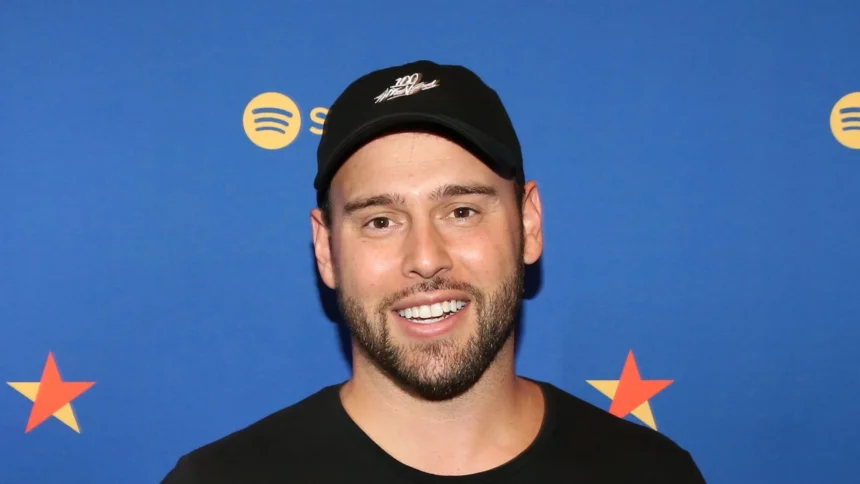
Scooter Braun, a powerhouse figure in the music industry, has announced he is stepping down from his role as a music manager. The news comes after nearly 23 years of managing some of the biggest names in music, including Justin Bieber and Ariana Grande.
Braun made the announcement on his Instagram page, expressing a desire to shift his focus. “After 23 years this chapter as a music manager has come to an end,” he wrote. He went on to explain that he started managing artists at the young age of 19, dedicating his entire adult life to the demanding role, which often required him to be on call 24/7.
While Braun acknowledges the initial joy of being a music manager, he also recognizes the toll it’s taken on his personal life. “As my children got older and my personal life took some hits,” he wrote, “I realized that I needed to prioritize family and my well-being.”
A New Chapter: Hybe and Family
Braun’s decision to step down from music management aligns with his current roles at Hybe, the South Korean entertainment company. He serves as a board member and the CEO of Hybe America, a position that allows him to leverage his extensive industry experience in a broader capacity.


This move also allows Braun to focus on his family life. With his children growing older, he seeks a better work-life balance, prioritizing his well-being and dedicating more time to his loved ones.
A Legacy in Music Management
Braun’s impact on the music industry is undeniable. He has played a pivotal role in the careers of numerous artists, helping them navigate the complexities of the industry and achieve global success. His departure from the management side marks the end of an era, but his influence will undoubtedly continue to be felt.
The Future of Music Management
Braun’s decision raises questions about the future of music management. The role has become increasingly demanding, with managers often juggling multiple artists, complex negotiations, and a constant need to adapt to the ever-evolving music landscape.
Will Braun’s departure inspire other managers to re-evaluate their work-life balance? Will it lead to a shift in the traditional manager role, perhaps towards a more team-oriented approach? Only time will tell how the industry will adapt to this change.