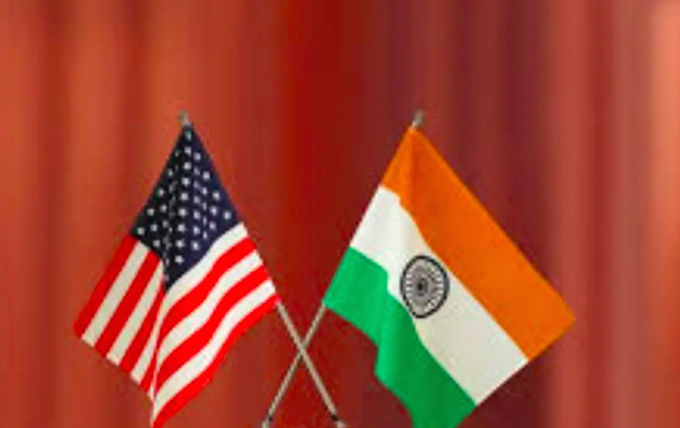
The bilateral trade relationship between India and the United States, valued at over $191 billion in 2023, has grown significantly over the past decade. Both sides have repeatedly touted the potential economic and strategic benefits of a comprehensive trade agreement. However, despite several high-level meetings and assurances, a conclusive deal has remained elusive.
According to a joint statement made earlier this year by U.S. Trade Representative Katherine Tai and India’s Commerce Minister Piyush Goyal, “Substantial progress has been achieved, but key gaps remain that both nations are committed to addressing in a mutually beneficial manner.” (Source: Press release, USTR Office, March 2024)
Key Sticking Points in the Trade Talks
Tariff Barriers on Key Goods
Tariff disagreements are at the forefront. The United States has pressed India to reduce tariffs on goods such as medical devices, agricultural products, and select industrial goods. India, in turn, has sought the restoration of preferential market access under the Generalized System of Preferences (GSP), which the U.S. suspended in 2019. According to the Peterson Institute for International Economics, India continues to levy among the highest average tariff rates among major economies, which Washington argues impedes fair competition.
Quote:
“India wants a level playing field for its farmers and small vendors,” said Rajat Kathuria, senior fellow at the Indian Council for Research on International Economic Relations (ICRIER). “But U.S. negotiators are under pressure from their own constituencies, especially in areas like dairy and agricultural exports.”
Digital Trade and Data Localization
Another key obstacle is digital trade. The U.S. advocates for cross-border data flows and opposes India’s data localization requirements, which mandate that critical data be stored on local servers. The Indian government argues that such policies are necessary for data security and sovereignty, while American tech firms claim these measures raise costs and hamper investment.
Intellectual Property Rights (IPR)
Intellectual property protection remains a contentious issue. U.S. pharmaceutical companies and industry groups have voiced concerns about India’s patent laws, particularly regarding compulsory licensing and generic medicines. India aims to balance access to affordable medicines and compliance with international IP standards—a stance which sometimes clashes with U.S. demands for stricter IPR enforcement.
Market Access for Services
The services sector, especially information technology and professional services, represents another challenge. The U.S. has tightened visa regulations for skilled workers—a key concern for Indian IT firms. India is seeking greater labor mobility and easier access for its professionals, while Washington emphasizes a need for domestic labor protection.
Broader Geopolitical Context
The trade impasse comes amid larger recalibrations in global trade dynamics. The rise of protectionist sentiments, the U.S.-China rivalry, and India’s drive for greater economic self-reliance under the “Atmanirbhar Bharat” (Self-Reliant India) plan have all influenced bilateral negotiations.
“Political will is present on both sides, but domestic priorities are taking precedence,” said Stephen Ezell, vice president at the Information Technology and Innovation Foundation, in a recent webinar. “Unless both governments show flexibility, a comprehensive deal will continue to face roadblocks.”
Recent Developments and the Path Forward
In the latest round of talks, held in Washington in May 2024, officials reiterated their intention to resolve outstanding issues before the end of the year. However, sources close to the negotiations indicate that no major breakthrough is imminent.
As India heads toward general elections in 2024, political calculations may further complicate matters. U.S. officials, too, are weighing their options ahead of a contentious presidential campaign.