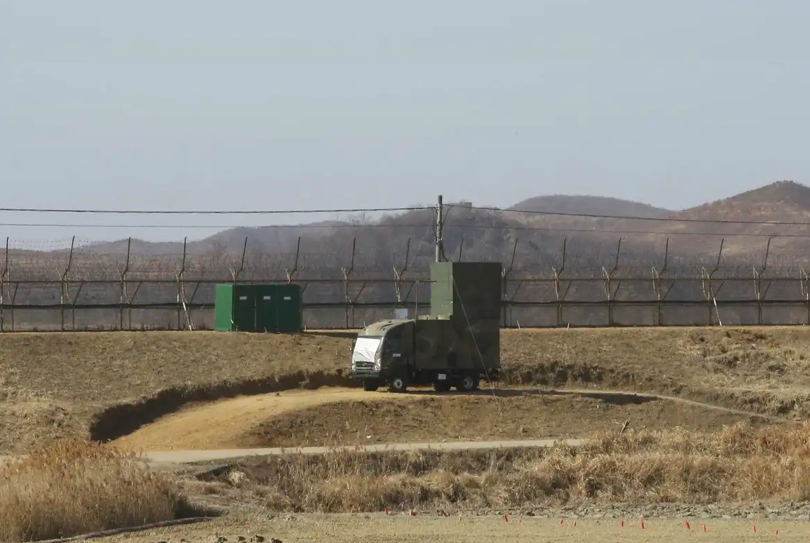
The decision comes amid a recent cycle of retaliatory gestures between the two Koreas. Earlier this month, South Korea resumed its audio broadcasts of K-pop music and anti-regime messages across the border, following a spate of North Korean “balloon offensives” that dropped leaflets and waste into the South. North Korea responded with blistering rhetoric and the deployment of its own propaganda measures along the border.
According to the Ministry of National Defense in Seoul, the suspension was effective as of Saturday morning. South Korean officials cited an attempt to “manage the situation calm and avoid further escalation” following repeated threats from Pyongyang to launch unspecified “military action” if broadcasts persisted.
“We have decided to temporarily pause the loudspeaker operations to create conditions for dialogue and prevent an unnecessary spiral of tensions,” said a senior Defense Ministry official at a press briefing. “But we retain the right to resume broadcasts if provocative actions continue.”
Propaganda as a Tool of Pressure
Both Koreas have long used loudspeakers at the inter-Korean border as instruments of psychological warfare. South Korea’s broadcasts typically include news deemed critical of the North Korean regime, weather updates, and popular music aimed at influencing North Korean soldiers and border residents. Pyongyang, for its part, blasts messages extolling its leadership and denouncing the South.
Experts say resuming — and now suspending — these broadcasts signals Seoul’s attempt to calibrate its responses to the North’s provocations.
“Propaganda broadcasts are a symbolic but potent tool for both sides. Suspending them is a way to lower the temperature, but it can also be reactivated at any sign of escalation,” said Dr. Yang Moo-jin, president of the University of North Korean Studies in Seoul.
Recent Provocations: Balloon Warfare and Threats
This latest move follows weeks of heightened friction. In late May and early June, North Korea sent hundreds of balloons carrying anti-South Korean leaflets, cigarettes, and even trash across the border, sparking public outrage in the border provinces. South Korea countered by resuming its own psychological operations, the first time since 2018’s thaw in inter-Korean relations.
The North’s powerful sister of leader Kim Jong-un, Kim Yo-jong, recently warned that the South would “face grave consequences” unless broadcasts stopped, hinting at potential military retaliation. The announcement to suspend the broadcasts appears aimed at preventing a direct military confrontation.
International Reactions and Regional Security Concerns
Regional powers and international observers expressed cautious optimism, urging both sides to maintain restraint. The United States and the United Nations have repeatedly called for dialogue and the avoidance of actions that could inadvertently trigger clashes.
China, North Korea’s primary economic ally, issued a statement through its Foreign Ministry welcoming “any measures that promote peace and reduce tensions on the peninsula.”
Domestic Debate and Political Ramifications
Domestically, South Korean public opinion remains divided. While many citizens living near the border expressed relief at the easing of tensions, opposition lawmakers and some conservative commentators criticized the government’s move as appeasement.
“We should not reward North Korea’s threats with concessions,” said Rep. Kim Gi-hyeon, leader of the opposition People Power Party. “Suspending broadcasts sends the wrong message and undermines our ability to deter further provocations.”
The Yoon Suk-yeol administration, which has taken a harder line than its predecessor, faces the challenge of balancing national security with the risk of unintended military incidents, especially with a divided National Assembly following the recent elections.
Looking Ahead: Fragile Truce or Pause Before Escalation?
While Saturday’s decision temporarily halts the war of words and sound along the border, experts warn that the underlying tensions remain unresolved. The inter-Korean communication hotline remains disconnected; joint economic projects are shuttered; and direct talks between the two governments are dormant.
“We are likely seeing a tactical pause rather than a strategic breakthrough,” said Shin Beom-chul, Senior Advisor at the Korea Research Institute for National Strategy. “Both sides are positioning for leverage — but any miscalculation could quickly reignite confrontation.”