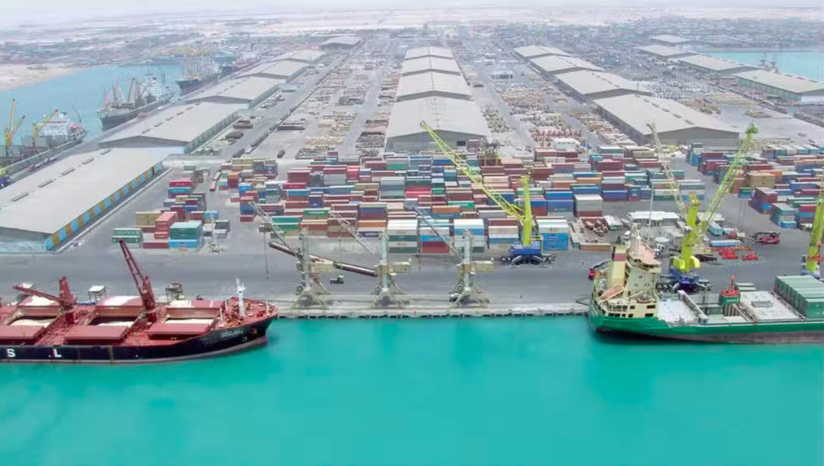
The ongoing hostilities between Iran and Israel, marked by recent military exchanges and diplomatic standoffs, have raised alarm among nations with vital interests in the area. For India, Chabahar Port is not only a vital gateway to Afghanistan and Central Asia but also a cornerstone of New Delhi’s efforts to bypass Pakistan and foster regional economic integration.
Officials from India’s Ministry of External Affairs confirmed that the government is “actively monitoring the security and operational status of Chabahar Port” and is in constant communication with Iranian authorities and on-ground Indian port management teams. Command and control protocols have reportedly been strengthened in recent days as the situation in the region evolves.
The Geopolitical Weight of Chabahar Port
India’s investment in Chabahar Port dates back several years, with more than $500 million committed to its development and operations. The port allows India to directly access Afghanistan and further into Central Asia, circumventing Pakistan, which has traditionally limited overland access.
Chabahar Port also serves as a counterbalance to Pakistan’s Gwadar Port, developed by China under the Belt and Road Initiative. Given its strategic significance, any turmoil at the port could have far-reaching economic and security implications for India’s trade ambitions and its position in regional geopolitics.
“The Chabahar Port is not just a commercial asset but also a strategic linchpin for India’s connectivity with Afghanistan and the region,” said Dr. Harsh V. Pant, a strategic studies expert at Observer Research Foundation. “Escalation between Iran and Israel increases the chance of spillover, which can jeopardize the security of Indian investments and shipments.”
Short-Term Safeguards and Contingency Planning
Shipping lines and logistics operators working with the Indian-run terminal at Chabahar have reportedly received advisories regarding heightened vigilance, cargo tracing, and security drills. The Indian Ports Global Limited (IPGL), the state-run company operating Chabahar’s Shahid Beheshti Terminal, has confirmed the implementation of new security protocols and direct communication channels with Indian consular officials in Iran.
In a recent statement, an IPGL spokesperson noted, “We have increased our risk assessments and are working closely with local security personnel to ensure the safety of workers and cargo. The port remains fully operational, though we remain alert to any changes.”
The Ministry of External Affairs declined to comment on operational specifics but stressed the importance of Chabahar to India’s “vision of regional connectivity and trade resilience.”
Global Trade and Energy Security at Risk
The port’s location near the Strait of Hormuz—the world’s most critical oil chokepoint—underscores the gravity of emerging threats. The International Energy Agency (IEA) has cautioned that any conflict-related disruptions in the region could impact global supply chains, including energy corridors vital to India and other Asian economies.
“Given the current volatility, any escalation in the Gulf will not only threaten shipping but also put at risk strategic infrastructure like Chabahar,” said retired Rear Admiral Shekhar Sinha, a maritime security analyst. “India must be ready with robust contingency plans, including alternative routes and insurance for cargoes.”
Diplomatic Engagements and Regional Coordination
Apart from security measures, India has intensified diplomatic engagements with Iran and other regional stakeholders to de-escalate tensions. Foreign Secretary Vinay Kwatra reportedly discussed the safety of Indian citizens and commercial interests in Iran with his Iranian counterpart earlier this week, reiterating India’s call for restraint and dialogue.
Analysts believe that India’s stakes at Chabahar—both economic and symbolic—necessitate a proactive approach, balancing diplomatic engagement with operational preparedness.
Broader Implications and The Road Ahead
The renewed India-Iran Chabahar agreement signed last month, granting India a 10-year operational lease, further underscores the port’s importance to New Delhi. However, regional instability remains a persistent threat.
With Iran-Israel tensions showing little sign of abating, India is likely to maintain heightened vigilance and may adjust its investments or operational footprint if security conditions deteriorate.
As the situation continues to unfold, the government’s response at Chabahar will be closely watched, both at home and by global stakeholders invested in the stability of Persian Gulf trade routes.