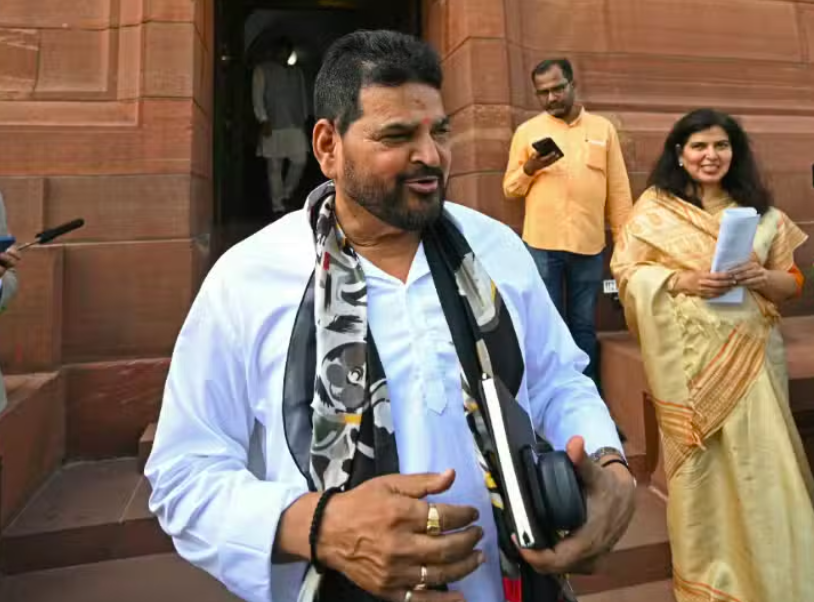
In a landmark development shaking India’s sporting and legal circles, Brij Bhushan Sharan Singh, the powerful former president of the Wrestling Federation of India (WFI), was formally exonerated on Friday in a closely watched sexual assault case involving a minor wrestler. The ruling brings to a close months of high tension and protest that saw Indian wrestling thrust into the national spotlight.
Case Overview: Who, What, When, Where, and Why
A New Delhi court delivered its decision after intense legal proceedings stemming from allegations made in April 2023. Singh, a prominent political figure and six-term Member of Parliament, had been accused by multiple female wrestlers—including one minor—of sexually assaulting them under the guise of coaching and mentorship. The allegations catalyzed nationwide protests and drew global attention to the issue of abuse in sports.
Why the Charges Were Quashed
Citing insufficient evidence, contradictory statements, and a lack of corroborative material, Special Judge Jatin Pathak observed, “The prosecution has not been able to establish the charges against the accused beyond a reasonable doubt, especially with respect to the complaint made under the Protection of Children from Sexual Offences (POCSO) Act.” The minor wrestler’s family, whose testimony formed the foundation of the most serious charges, previously withdrew their statement, further weakening the prosecution’s case.
Reactions: Relief and Outrage
Supporters Hail Victory for Rule of Law
Singh’s legal counsel, Advocate Rajeev Mohan, welcomed the judgment, asserting, “My client and his family have faced a witch hunt. Justice has prevailed and Mr. Singh stands vindicated.” Several WFI officials and political allies echoed these sentiments, calling the court’s decision a restoration of Singh’s honor after months of “media trial.”
Wrestlers’ and Activists’ Dismay
Conversely, several wrestlers who led protests at Delhi’s Jantar Mantar expressed profound disappointment. Sakshi Malik, Olympic medallist and one of the face of the movement, said, “This outcome sends a dangerous message to athletes who look for redressal against powerful figures.” Women’s rights groups have vowed to pursue an appeal, urging for more robust support structures for survivors of abuse in Indian sports.
Background: The Road to the Courtroom
The allegations came to light in early 2023 after several female wrestlers publicly accused Singh of sexual harassment spanning over a decade. The case triggered massive protests by India’s elite athletes, leading to the temporary suspension of the WFI and a government-mandated inquiry. Singh denied all wrongdoing, calling the charges “politically motivated.” In June 2023, Delhi Police filed a charge sheet against Singh under various sections of POCSO and the Indian Penal Code, based primarily on the testimonies of the alleged survivors.
Legal, Social, and Sporting Implications
Legal Context and Precedent
Legal experts note that the court’s ruling underscores the challenges of prosecuting sexual assault cases in India, particularly where the accused wields considerable social and political influence. “This verdict highlights the urgent need for systemic reform to protect whistleblowers and survivors,” said legal scholar Dr. Renu Sharma, referencing the lack of robust witness protection and social stigmatization.
Sports Governance in the Spotlight
The episode has already led to policy action: the Ministry of Youth Affairs and Sports established new protocols for reporting abuse, and a National Sports Ethics Board is under development. However, critics say much remains to be done to ensure a culture of safety and accountability in India’s sporting institutions.
What’s Next?
While exoneration spares Singh possible criminal penalties and opens a door for his political revival, the broader debate around athlete protection in India continues to intensify. The Indian Olympic Association plans to hold consultations on furthering safeguards for women athletes, with recommendations due later this year.