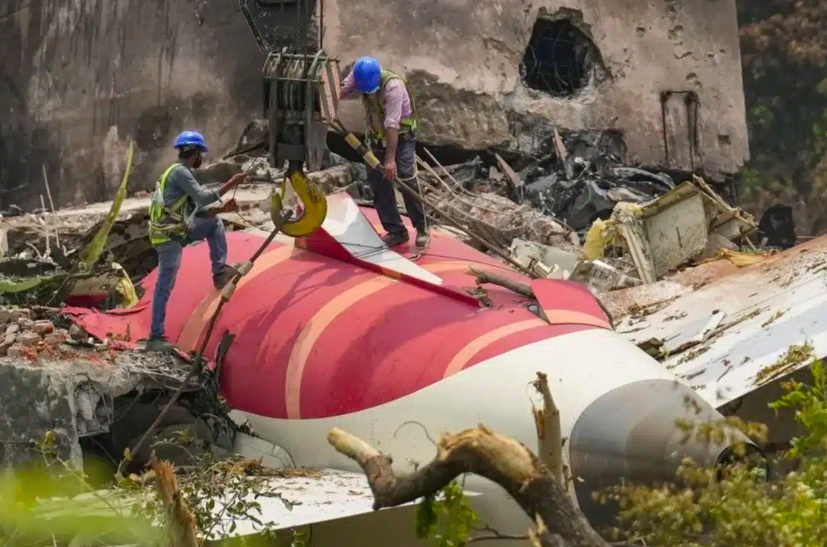
Federal investigators announced significant progress this week in the investigation into the recent Boeing Dreamliner crash, a development closely watched by the global aviation community. The crash, which occurred last month, has prompted renewed calls for airline safety improvements and additional scrutiny of Boeing’s aircraft manufacturing processes. Authorities released new details on Thursday that may provide critical insight into the cause of the accident.
The Dreamliner Disaster
The Boeing 787 Dreamliner, hailed for its advanced technology and fuel efficiency, experienced a fatal crash on May 18, 2024, during a transpacific flight from Los Angeles to Tokyo. The incident resulted in the tragic loss of 176 passengers and crew. Preliminary reports from the National Transportation Safety Board (NTSB) pointed to a sudden loss of altitude and system malfunctions moments before impact, but the definitive cause remained unclear until the latest updates.
New Findings in the Investigation
Faulty Sensor Identified
A key revelation from the NTSB’s latest briefing was the discovery of a faulty angle-of-attack (AOA) sensor on the downed Dreamliner. According to the investigators, the sensor relayed incorrect data to the aircraft’s flight control system, triggering an automated nosedive. “Initial analysis shows the AOA sensor generated erroneous readings, causing the software to override manual pilot commands,” NTSB Chair Jennifer Homendy stated Thursday.
Manufacturing Concerns Surface
Independent aviation experts reviewing the crash data have highlighted potential manufacturing inconsistencies in the sensor system. Dr. Sarah Klein, an aviation safety analyst at MIT, commented, “This suggests either a flaw in the assembly process or a supply chain lapse that allowed a substandard component to be installed.”
Cockpit Communication Under Scrutiny
Transcripts from the cockpit voice recorder indicate that the flight crew struggled to regain control after the automated nose-down command. “There was clear confusion as to the source of the malfunction, and the crew was given little time to react,” Homendy noted.
Boeing and FAA Responses
Boeing’s Statement
Boeing issued a statement Friday expressing condolences and committing to full cooperation with the investigation. “Safety is our highest priority. We are deeply saddened by this accident and are working closely with authorities to understand what happened and to ensure this never happens again,” a spokesperson said.
Regulatory Action Considered
The Federal Aviation Administration (FAA) is now evaluating whether to mandate inspections of AOA sensors across the 787 fleet. According to an FAA official, “We are conducting a comprehensive risk assessment and may issue a directive for immediate checks if warranted.”
Industry Implications and Safety Measures
Wider Industry Impact
The Dreamliner incident has echoed across the aviation sector, with leading airlines reviewing their own protocols and training. American Airlines, which operates one of the largest Dreamliner fleets, stated, “We are closely monitoring developments and have already begun additional safety checks.”
Broader Congressional Inquiry
In response to public concern, the U.S. Senate announced plans to convene hearings on commercial airliner safety, specifically referencing recurring incidents involving new aircraft models. Aviation Committee Chair Sen. Mark Warner said, “It’s essential to ensure both manufacturers and regulators are meeting the highest standards.”
History of Boeing Safety Incidents
Boeing has previously faced scrutiny over the 737 Max crashes in 2018 and 2019, which resulted in over 300 fatalities and a global grounding of that model. Experts believe the Dreamliner crash could renew calls for reforms within both Boeing and federal oversight agencies. “There’s a pattern emerging that can’t be ignored—the industry must address these systemic issues,” Dr. Klein warned.