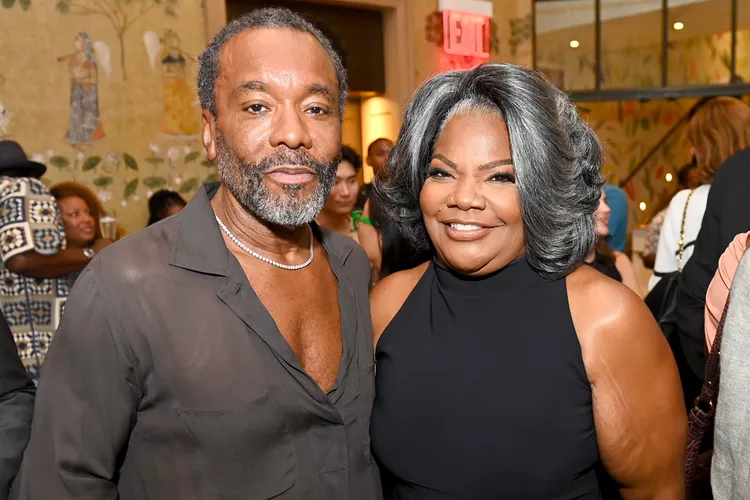
In a recent and candid interview, acclaimed director Lee Daniels opened up about his decision to apologize to actress and comedian Mo’Nique, years after their infamous fallout over the 2009 film Precious. The rift between the two, which stemmed from Mo’Nique’s claims of being blackballed in Hollywood following her Oscar-winning performance in the film, became a highly publicized and contentious issue. Now, after years of tension, Daniels is shedding light on his decision to apologize, even though he admits he didn’t fully grasp the reasons behind it at the time.
The Origins of the Feud
The story of the feud between Lee Daniels and Mo’Nique begins with the success of Precious, a film that garnered critical acclaim and earned Mo’Nique an Academy Award for Best Supporting Actress. However, the triumph was quickly overshadowed by controversy. Mo’Nique claimed that she was blacklisted in Hollywood after refusing to participate in promotional events for the film without additional compensation. She alleged that Daniels, along with other influential figures like Oprah Winfrey and Tyler Perry, contributed to her being unfairly labeled as difficult to work with.
Daniels, for his part, maintained that Mo’Nique’s approach to the situation was unprofessional and that her demands were unreasonable. The tension between the two escalated over the years, with both parties making public statements that fueled the ongoing feud.
A Long-Overdue Apology
Fast forward to 2022, when Daniels and Mo’Nique surprised the entertainment world by publicly reconciling at a comedy show in Staten Island. The moment was unexpected and emotional, with Daniels taking the stage to apologize to Mo’Nique in front of the audience. The apology marked the end of a long-standing rift, but Daniels recently revealed that his decision to make amends was more complex than it seemed.
In his interview, Daniels reflected on the apology, admitting that he was driven more by a desire to heal their fractured relationship than by a full understanding of what he was apologizing for. “Even if I didn’t understand what I was apologizing for, I knew I needed to do it,” Daniels said. “I didn’t want to carry that weight anymore, and I didn’t want to see her hurting. It was time to put all that behind us.”
Daniels acknowledged that the apology was not just about addressing the past, but about moving forward. “I realized that sometimes you have to apologize not just because you’re wrong, but because you value the relationship and want to make things right. I missed Mo’Nique, and I missed the friendship we had.”

The Impact of the Apology
The apology was a turning point for both Daniels and Mo’Nique, who have since reconciled and are now working together on a new film project, Demon House. The collaboration marks a significant moment in their careers, as it demonstrates their willingness to move beyond their past differences and focus on creating something new together.
Mo’Nique has also spoken about the reconciliation, expressing gratitude for Daniels’ apology and acknowledging the importance of forgiveness in their journey. “It meant the world to me,” she said in a separate interview. “Sometimes you have to let go of the past to embrace the future, and that’s what we’re doing.”
For both Daniels and Mo’Nique, the experience has been a reminder of the power of forgiveness and the importance of mending broken relationships. Their story serves as an example of how two people can come together after years of conflict and find a way to work through their differences.
Looking Forward
With the feud behind them, Lee Daniels and Mo’Nique are now focused on the future. Demon House represents not just a new creative endeavor, but a fresh start for their professional relationship. The film is highly anticipated, not only for its storyline but also for the reunion of two talented artists who have put their differences aside to collaborate once again.
Daniels’ apology, even if initially made without full understanding, has paved the way for healing and growth. It’s a testament to the idea that sometimes, the act of apologizing itself can be a powerful step toward reconciliation, regardless of the complexities involved.
As Daniels and Mo’Nique embark on this new chapter, their story is a powerful reminder that forgiveness, understanding, and the willingness to make amends can lead to new opportunities and renewed connections. Their journey is one of redemption, creativity, and the enduring power of second chances.