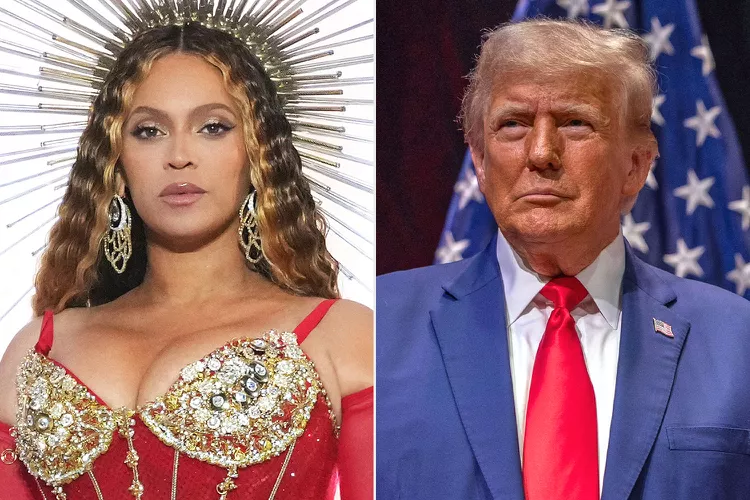
In a move that has sparked significant attention and controversy, global superstar Beyoncé has reportedly threatened legal action against the Trump campaign after her song “Freedom” was used without permission in a social media post. The unauthorized use of the song, which is known for its powerful themes of liberation and justice, has led Beyoncé and her legal team to issue a cease-and-desist order, demanding that the campaign immediately remove the content and refrain from using her music in any future political messaging.
The Unauthorized Use of ‘Freedom’
The controversy began when a social media post from the Trump campaign featured Beyoncé’s hit song “Freedom,” a track that has become an anthem for empowerment and social justice. The song, which originally appeared on Beyoncé’s critically acclaimed 2016 album Lemonade, is known for its powerful lyrics and message, resonating deeply with audiences around the world.
The post, which reportedly used “Freedom” to underscore a political message, quickly caught the attention of Beyoncé’s fans, who were outraged by the use of the song in a context that many felt was at odds with its intended meaning. Social media lit up with criticism, with many calling out the Trump campaign for what they saw as a blatant misuse of the artist’s work.
Beyoncé’s Response: A Legal Battle Begins
Beyoncé, who has been vocal about her political beliefs and her support for social justice movements, did not take the unauthorized use of her song lightly. According to reports, her legal team swiftly issued a cease-and-desist letter to the Trump campaign, demanding the immediate removal of the post and any other content that features her music without proper authorization.
In the cease-and-desist order, Beyoncé’s team made it clear that the use of “Freedom” in a political context, especially one not aligned with her values, was unacceptable. The letter also emphasized that the artist’s work is protected by copyright law, and any use of her music requires proper licensing and approval from the artist or her representatives.
The letter reportedly stated, “Beyoncé’s music is a powerful expression of her art and beliefs, and its unauthorized use in a political campaign that she does not support is a violation of her rights as an artist and as a person. We demand that the Trump campaign immediately remove the post in question and cease any further use of her music in your political messaging.”

The Broader Implications of the Cease-and-Desist
This is not the first time that an artist has clashed with a political campaign over the unauthorized use of their music. In recent years, several high-profile musicians, including The Rolling Stones, Adele, and Rihanna, have issued similar cease-and-desist orders after their songs were used without permission in political contexts.
Beyoncé’s cease-and-desist highlights a growing concern among artists about the use of their work in ways that they do not endorse or approve. For many musicians, their songs are deeply personal and tied to specific messages and values. The unauthorized use of these songs in political campaigns, particularly those that the artist does not support, can be seen as a form of misrepresentation or exploitation.
The legal battle also underscores the importance of copyright law in protecting artists’ rights and ensuring that their work is used in ways that align with their intentions. While political campaigns often argue that the use of music falls under fair use, artists and their legal teams have increasingly pushed back against this claim, asserting their rights to control how their work is used.
Public Reaction and the Future of the Dispute
The news of Beyoncé’s cease-and-desist quickly spread across social media, with many of her fans and supporters applauding her decision to stand up for her rights. The hashtag #BeyoncéNotForTrump began trending, as fans expressed their support for the artist and criticized the Trump campaign for its actions.
On the other side, some have argued that the use of music in political campaigns is a common practice and that the Trump campaign’s use of “Freedom” was within its rights. However, the legal challenge from Beyoncé’s team suggests that this dispute may not be easily resolved.
As the situation continues to unfold, it remains to be seen whether the Trump campaign will comply with the cease-and-desist order or whether the dispute will escalate into a more significant legal battle. For now, the controversy serves as a powerful reminder of the importance of respecting artists’ rights and the potential consequences of failing to do so.
Conclusion: A Stand for Artistic Integrity
Beyoncé’s decision to issue a cease-and-desist order against the Trump campaign is a clear statement about her commitment to protecting her work and ensuring that it is used in ways that reflect her values. As the legal process plays out, the case may set an important precedent for how artists’ rights are upheld in the political arena. In the meantime, Beyoncé’s fans and supporters continue to rally behind her, reinforcing the message that her music—and her voice—are not to be used without her consent.