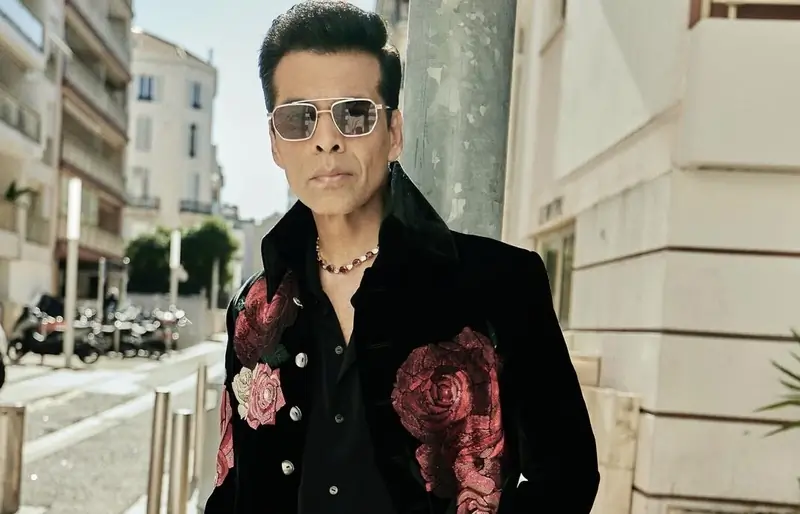
Karan Johar’s Dharma Productions Almost Had Another Billionaire Investor — Here’s Why the Deal Fell Through
Dharma Productions, one of Bollywood’s most influential film production houses, made headlines in 2025 when billionaire Adar Poonawalla acquired a significant stake in the company. The investment gave filmmaker Karan Johar both financial backing and an opportunity to expand the studio’s ambitions in films, digital content, and global projects.
But what many people didn’t know is that another major industrialist, Sanjiv Goenka, nearly secured this deal before Poonawalla entered the picture. According to Goenka, the agreement was close to completion until certain legal clauses caused hesitation on Karan Johar’s side, ultimately leading to the deal collapsing.
Here’s a closer look at what happened, why the deal didn’t materialize, and what it means for Dharma Productions and the entertainment business overall.
Karan Johar’s Big Partnership With Adar Poonawalla
In 2025, Adar Poonawalla, CEO of Serum Institute of India and one of the country’s wealthiest entrepreneurs, acquired a 50 percent stake in Dharma Productions for approximately ₹1000 crore.
This move was seen as a strategic partnership rather than just a financial investment. For Karan Johar, it meant fresh capital to scale up projects, expand internationally, invest in streaming content, and strengthen Dharma’s position in a rapidly changing entertainment landscape.
Film production today requires massive budgets, global marketing strategies, and strong digital distribution networks. With Poonawalla’s backing, Dharma gained the financial stability to compete not just in Bollywood but also on international platforms.
However, the Poonawalla deal wasn’t the first attempt to bring in a powerful investor. Another billionaire was already in serious talks.
Sanjiv Goenka Reveals the Missed Deal
Sanjiv Goenka, chairman of the RP-Sanjiv Goenka Group, recently shared that his conglomerate almost finalized a deal with Dharma Productions before Poonawalla stepped in.
Speaking on a podcast with entrepreneur Parthiv Neotia, Goenka said that he and Karan Johar share a strong friendship and that negotiations had progressed significantly. According to him, everything seemed on track until certain legal provisions in the draft agreement created discomfort for Karan Johar.
Goenka explained that the inclusion of drag-along and tag-along clauses by his legal team ended up worrying Karan. He admitted he was not personally aware of how strongly these clauses would affect Johar’s perception of the deal.
He said that had he known earlier, he might have reconsidered or removed those clauses to keep the negotiations moving forward.
Why Legal Clauses Can Make or Break Deals
To understand why this issue mattered, it helps to know what drag-along and tag-along clauses are. These are common provisions in mergers, acquisitions, and investment agreements designed to protect shareholders’ interests.
What is a drag-along clause
A drag-along clause allows majority shareholders to require minority shareholders to sell their shares if a buyer wants full control of a company. This ensures that a potential sale cannot be blocked by smaller stakeholders.
While investors often see this as a practical safeguard, founders sometimes view it as a possible loss of control over their company’s future.
What is a tag-along clause
A tag-along clause does the opposite. It protects minority shareholders by allowing them to sell their shares if majority shareholders decide to exit. This ensures smaller investors aren’t left behind in a major sale.
Although both clauses are standard in corporate deals, their interpretation and comfort level can vary depending on the personalities involved and the nature of the business.
In creative industries like film production, where personal vision and brand identity are deeply tied to founders, such clauses can feel particularly sensitive.
Goenka’s Reflection on the Missed Opportunity
When asked whether he regretted losing the Dharma deal, Goenka said he felt disappointed but also saw it as a learning experience.
He noted that excessive delegation in negotiations can sometimes backfire. While legal teams are essential, business leaders must stay closely involved in sensitive discussions where personal relationships and trust play a major role.
Goenka emphasized that his friendship with Karan Johar remains intact despite the failed deal, suggesting that the decision was more about comfort levels than conflict.
Dharma Productions: A Legacy Brand in Bollywood
Founded in 1976 by Yash Johar, Dharma Productions has played a major role in shaping modern Bollywood cinema. The banner gained prominence with films like Dostana and Agneepath before Karan Johar took over leadership.
Under Karan Johar, the studio produced iconic hits such as Kuch Kuch Hota Hai, Kabhi Khushi Kabhie Gham, Kal Ho Naa Ho, Raazi, and many more.
Beyond commercial success, Dharma became known for glossy storytelling, star-driven cinema, and strong global appeal among the Indian diaspora.
Today, the company produces theatrical releases, streaming content, and regional collaborations, reflecting how entertainment consumption has evolved.
Why Investors Are Interested in Film Production Houses
The interest shown by both Poonawalla and Goenka highlights a larger trend. Entertainment companies are increasingly attractive to big investors because:
• Streaming platforms are expanding rapidly
• Global audiences for Indian content are growing
• Intellectual property from films and series generates long-term revenue
• Cross-industry collaborations with sports, digital media, and music create new opportunities
For investors, film studios are no longer just creative ventures; they are scalable media businesses.
What the Future Looks Like for Dharma
With Poonawalla’s investment now in place, Dharma Productions appears well-positioned for expansion. Industry observers expect:
• More international collaborations
• Larger-scale productions
• Increased digital content output
• Diversification into new entertainment formats
Karan Johar has also hinted at nurturing new filmmakers and exploring different genres, which could reshape Dharma’s creative identity in coming years.
The story behind Dharma Productions’ investment journey reveals how business deals often hinge not just on money but on trust, legal nuances, and personal comfort.
While Sanjiv Goenka’s group nearly became Dharma’s partner, legal clauses ultimately shifted the direction of negotiations, paving the way for Adar Poonawalla’s entry instead.
Despite the missed opportunity, both sides appear to hold mutual respect, and Dharma continues to evolve as one of India’s most influential entertainment brands.
As Bollywood adapts to global competition and digital disruption, strategic investments like this will likely become more common — and more complex.
Source: Based on podcast remarks by Sanjiv Goenka and publicly reported developments around Dharma Productions investment