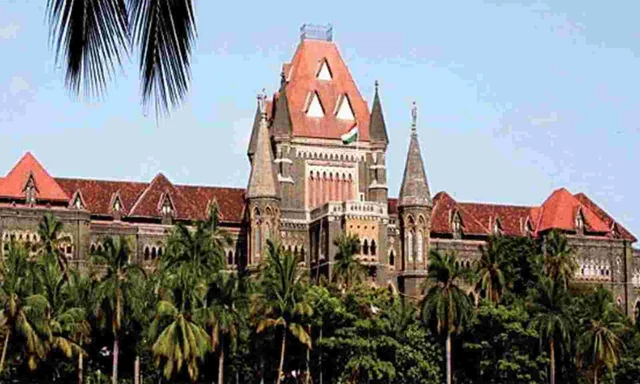
Bombay High Court Demands Answers After U.S. National Arrested Over Black Magic and Conversion Charges
A quiet prayer meeting in Maharashtra has exploded into a national controversy after a U.S. citizen, James Leonard Watson, was arrested on serious charges under black magic and religious conversion laws. Now, the Bombay High Court has stepped in — and it wants answers.
The arrest has sparked debate, outrage, and international curiosity. What really happened that day? Was it a peaceful gathering of faith, or something more?
The court is now questioning whether the case was built on fact — or fueled by fear.
The Shocking Arrest That’s Grabbing Headlines
James Leonard Watson, an American visitor, found himself at the center of a legal storm after he attended a prayer meeting in Thane district. Authorities allege the event was more than just a religious gathering — they claim it involved attempts to convert locals and violated anti-black magic laws.
Watson was taken into custody, sparking immediate concern over how quickly — and why — such serious accusations were leveled.
According to local reports, the meeting was small, peaceful, and attended by willing participants. So why did it end in handcuffs?
Court Steps In: “We Need Clarity”
The Bombay High Court wasn’t convinced by the state’s initial explanation. During a recent hearing, it asked pointed questions about the First Information Report (FIR) and demanded clear evidence behind the arrest.
The court made it clear — vague claims won’t cut it. It wants a full report on what Watson was doing, what laws he allegedly broke, and how the police justified invoking the Maharashtra anti-black magic and anti-conversion laws.
This isn’t just about one man. The court’s stance could impact how similar cases are handled across the country.
Is Faith Now a Crime?
At the heart of the controversy is one big question: Can someone be arrested for simply participating in a religious gathering?
Supporters of Watson argue that this was a peaceful, faith-based meeting with no coercion or inducement. They claim the case is built on suspicion and misinterpretation, not facts. Others, however, insist that laws exist to prevent subtle or indirect methods of religious conversion — especially among vulnerable communities.
Now, the judiciary is being forced to weigh in on this delicate balance between religious freedom and state regulation.
The Foreign Angle: Why This Case Matters Even More
Watson isn’t just any accused — he’s a U.S. national. That alone adds a new layer of complexity. If the arrest is found to be unjustified or procedurally flawed, it could escalate to a diplomatic issue.
So far, there’s been no official word from U.S. authorities, but legal experts suggest that any violation of visa terms or religious freedom could lead to international scrutiny.
The question remains: was Watson here as a missionary, a tourist, or simply a man of faith attending a local event?
Maharashtra’s Laws Under the Scanner
Maharashtra has some of the strictest laws against black magic, superstitious practices, and forced religious conversions. These laws are designed to protect citizens, but they’ve also been criticized for being broad and open to misuse.
In this case, critics argue that the same laws may have been used to criminalize what was essentially a prayer circle. The FIR reportedly includes sections related to promoting superstition and unlawful conversion — charges that can carry significant penalties if proven, but are often hard to substantiate.
Social Media Reacts: “This Is Religious Profiling”
As news of the arrest spread, social media erupted with opinions. Many expressed shock that a foreigner could be arrested for simply taking part in a religious event. Others supported the move, warning against covert attempts at conversion under the guise of social gatherings.
The divide is clear. But with the High Court now involved, speculation is giving way to scrutiny.
What Happens Next?
The Bombay High Court has asked the Maharashtra government and police to file a detailed response. The case will be heard again once the court examines all evidence related to the arrest, including whether Watson was targeted unfairly or genuinely violated state laws.
If the FIR is found to be vague or baseless, it could be quashed. If not, Watson could face trial under serious criminal charges — all stemming from what was supposed to be a simple community gathering.
A Legal Case That Could Set a National Precedent
This case isn’t just about one man. It’s about how India handles religious freedom, foreign nationals, and the growing tension between faith and law.
Whether Watson is cleared or convicted, the court’s decision could influence how future prayer meetings, religious events, and faith-based outreach are treated — especially when foreigners are involved.
One thing is clear: the Bombay High Court is watching this case very closely. And so is the world.