


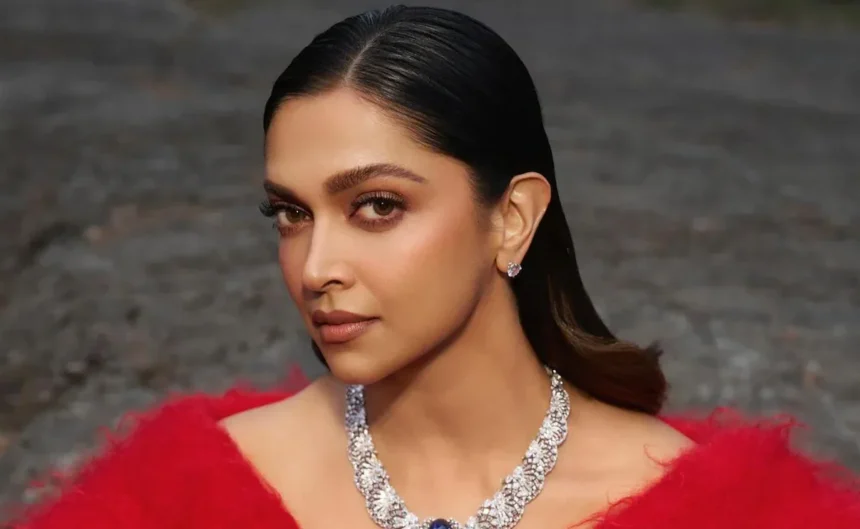
Deepika Padukone Breaks Silence on 8-Hour Workday Demand
Bollywood star Deepika Padukone has finally spoken out amid the controversy surrounding her request for an eight-hour workday—a demand that reportedly led to her exit from two major projects, Spirit by Sandeep Reddy Vanga and the Kalki 2898 AD sequel.
In an interview with CNBC-TV18, Deepika addressed the backlash and highlighted the double standards women face in the film industry compared to their male colleagues.
“If That Comes Across as Pushy, So Be It”
Deepika was straightforward about the criticism she faced for asking to work only eight hours a day. She pointed out that many male superstars in Bollywood have long worked similar hours without it becoming a news story. “By virtue of being a woman, if that’s coming across as being pushy or whatever, then so be it,” she said.
She added that many male actors work a standard Monday-to-Friday schedule with weekends off, yet this has never been questioned or criticized publicly. Her comments shed light on the unequal expectations placed on women in the industry.
Calling for Structure in a Disorganized Industry
Deepika also spoke about the chaotic nature of the film industry’s work culture. “Even though we call it an industry, we have never really worked like one. It’s a very disorganized industry, and I think it’s time we brought in some system into this culture,” she explained.
Her push for structured work hours reflects a broader conversation around work-life balance and professionalism within Bollywood, especially for women balancing demanding careers with personal commitments.
The Exit from Spirit and Kalki 2898 AD
The controversy began when Deepika exited Spirit, reportedly because her request for shorter work hours to better manage her personal life, including time with her daughter Dua, was not met. Shortly afterward, Vyjayanthi Movies announced she would no longer be part of the Kalki 2898 AD sequel, citing the film’s demand for a “higher level of commitment.”
This sequence of events sparked widespread debate on social media and in entertainment circles about fairness and gender equality in Bollywood work environments.
Advocating Mental Health and Balancing Battles
Deepika’s comments came during her visit to Madhya Pradesh on World Mental Health Day, marking the 10th anniversary of her foundation, Live Love Laugh, which focuses on mental health awareness in India.
When asked if she felt she was paying a price for standing up for what she believes is fair, Deepika responded with quiet strength: “I have done this at many levels. Even as pay is concerned, I have had to deal with whatever comes with it. I am someone who has always fought my battles silently, and for some strange reason sometimes they become public, which is not the way I know and not the way I’ve been brought up.”
She emphasized that she prefers to handle challenges with dignity and silence, though sometimes her struggles become public unintentionally.
What’s Next for Deepika?
Despite the controversy, Deepika is back at work. She recently started shooting for Siddharth Anand’s King, starring alongside Shah Rukh Khan, Suhana Khan, and Abhishek Bachchan. She is also set to feature in Atlee’s upcoming film AA22xA6 with Allu Arjun.
Her ability to continue working on high-profile projects while advocating for healthier work conditions highlights her resilience and growing influence in the industry.
Why Deepika’s Stand Matters
Deepika Padukone’s insistence on an eight-hour workday is more than a personal request—it shines a spotlight on systemic issues in Bollywood’s work culture. Her courage to speak openly about these challenges encourages a much-needed dialogue about gender equality, work-life balance, and professionalism in Indian cinema.
As Bollywood continues to evolve, Deepika’s stance could inspire changes that benefit not just women, but all artists seeking respect and fairness in their careers.


